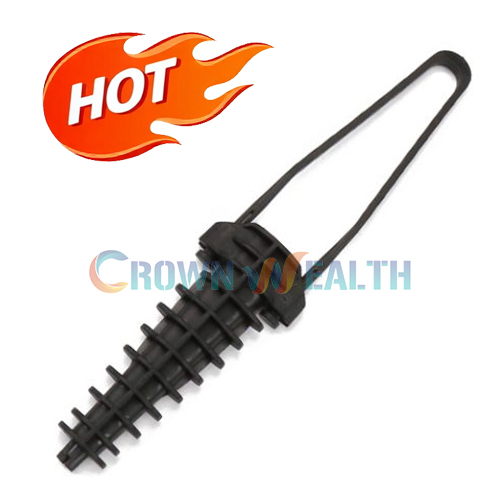
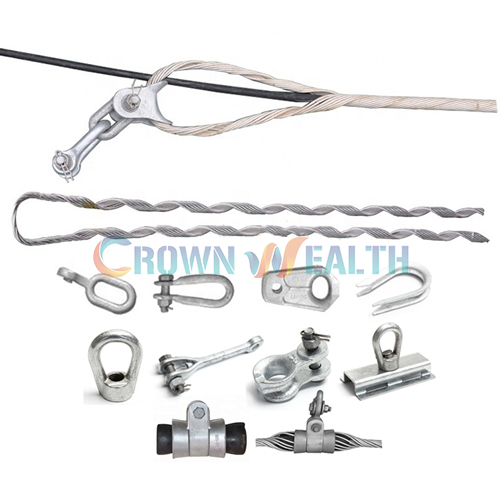
Hey there! As a supplier of OPGW Strain Clamps, I've got a ton of knowledge about these nifty little devices. So, I thought I'd share with you the different types of OPGW Strain Clamps out there.
First off, let's talk about what an OPGW Strain Clamp actually does. OPGW, which stands for Optical Fiber Composite Overhead Ground Wire, is used in power transmission lines. The strain clamp is an essential part of this setup as it's responsible for holding the OPGW cable in place at the end of a span or at a tower. It needs to be strong enough to withstand the tension of the cable and protect it from damage.
Pre - formed OPGW Strain Clamps
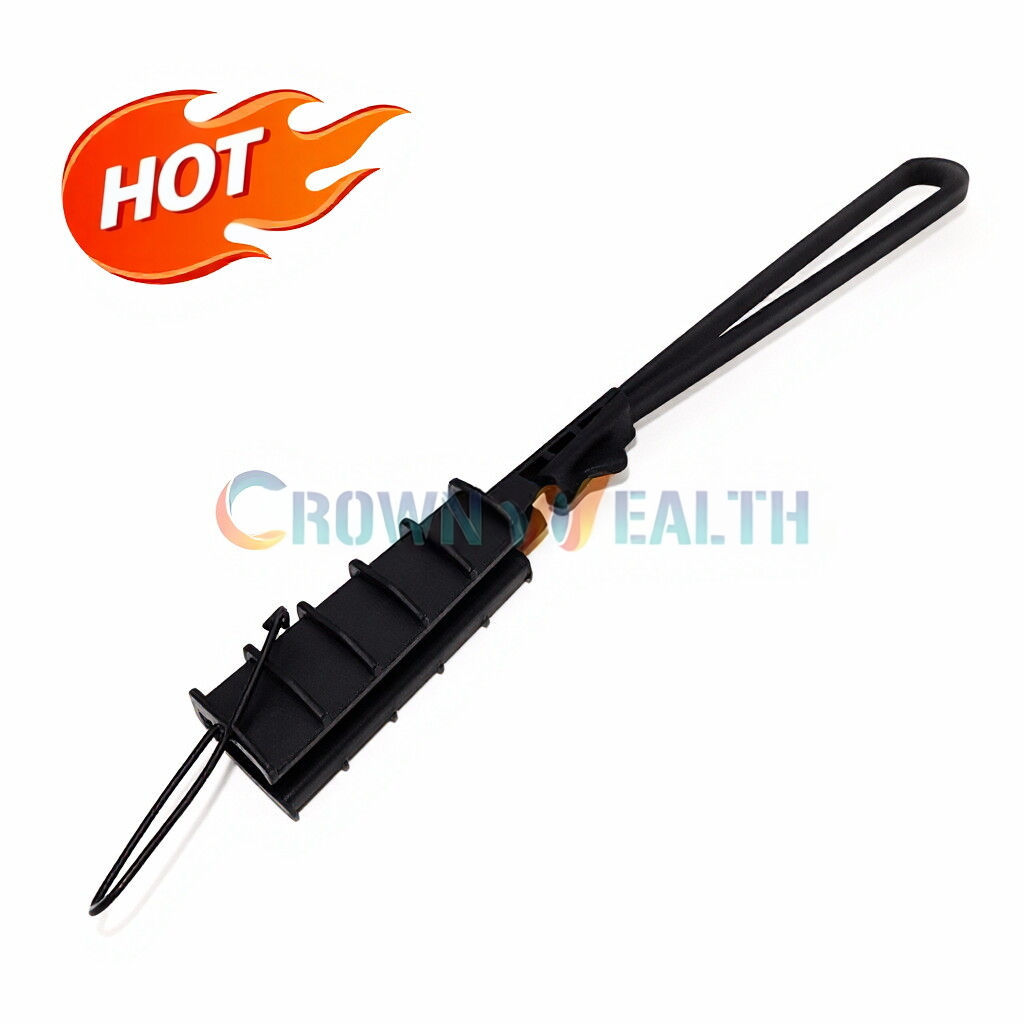
One of the most popular types is the pre - formed OPGW Strain Clamp. These clamps are made up of pre - formed wire strands that are wound around the OPGW cable. The cool thing about them is that they're very flexible and can conform to the shape of the cable easily. This flexibility helps to distribute the stress evenly along the cable, reducing the risk of damage.
Pre - formed clamps are also relatively easy to install. You don't need a whole bunch of special tools or a lot of technical know - how. Just wind the pre - formed strands around the cable according to the instructions, and you're good to go. They're great for situations where you need a quick and reliable solution. And if you're interested in other related products, check out the OPGW Performed Suspension Clamp. It's another important component in the OPGW system.
Bolted OPGW Strain Clamps
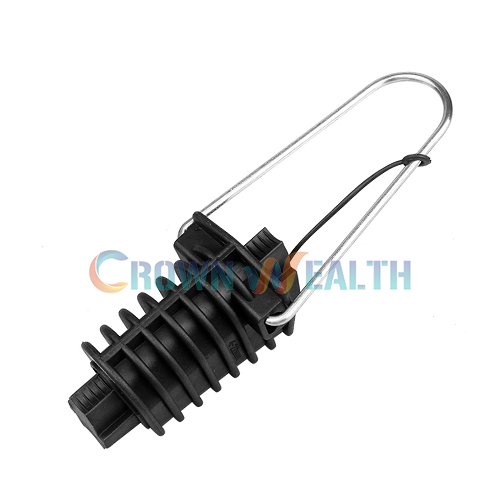
Bolted OPGW Strain Clamps are another common type. These clamps use bolts to secure the OPGW cable. They usually consist of two or more parts that are bolted together around the cable. The advantage of bolted clamps is their high strength. They can handle a lot of tension, making them suitable for long - span power transmission lines or areas with harsh environmental conditions.
However, the installation of bolted clamps can be a bit more complicated compared to pre - formed ones. You need to make sure the bolts are tightened to the correct torque to ensure a proper grip on the cable. If the bolts aren't tightened enough, the clamp might not hold the cable securely, and if they're over - tightened, it could damage the cable. But once installed correctly, they provide a very stable and reliable connection.
Compression OPGW Strain Clamps
Compression OPGW Strain Clamps work by compressing the OPGW cable between two parts of the clamp. This compression creates a strong bond between the clamp and the cable. These clamps are known for their excellent electrical conductivity, which is important in power transmission applications.


The installation of compression clamps requires special compression tools. You have to follow the manufacturer's instructions carefully to get the right amount of compression. If the compression is too little, the clamp might not hold the cable well, and if it's too much, it could crush the cable. But when done right, compression clamps offer a very secure and long - lasting connection.
Wedge OPGW Strain Clamps
Wedge OPGW Strain Clamps use a wedge - shaped design to grip the OPGW cable. The cable is inserted into the clamp, and the wedge is then driven in, forcing the cable against the walls of the clamp. This creates a tight and secure hold.
Wedge clamps are relatively simple in design and are easy to install. They're also quite versatile and can be used in a variety of applications. However, they might not be as suitable for extremely high - tension situations as some of the other types.
Now, let's talk about why choosing the right type of OPGW Strain Clamp is so important. The wrong clamp can lead to a whole bunch of problems. For example, if the clamp can't handle the tension of the cable, it could come loose, which could cause the cable to sag or even break. This not only disrupts the power transmission but also poses a safety hazard.
On the other hand, using the right clamp ensures the reliable operation of the OPGW system. It protects the cable from damage, reduces maintenance requirements, and extends the lifespan of the cable. So, it's definitely worth taking the time to choose the right type for your specific needs.
If you're in the market for OPGW Strain Clamps, we've got you covered. As a supplier, we offer a wide range of high - quality OPGW Strain Clamps in different types to meet your requirements. Whether you need pre - formed, bolted, compression, or wedge clamps, we can provide them.
And while you're considering your options, don't forget about other important components like the Aluminum Alloy Joint Box. It's an essential part of the OPGW system for protecting the cable joints.
If you're interested in purchasing OPGW Strain Clamps or have any questions about them, feel free to reach out. We're here to help you make the right choice for your project. Our team of experts can provide you with all the information you need and guide you through the selection process.
In conclusion, understanding the different types of OPGW Strain Clamps is crucial for anyone involved in power transmission projects. Each type has its own advantages and disadvantages, and the right choice depends on various factors such as the span length, environmental conditions, and cable specifications. So, take your time, do your research, and if you need any assistance, we're just a message away.
References
- Power Transmission Line Design Handbook
- OPGW Installation and Maintenance Manuals