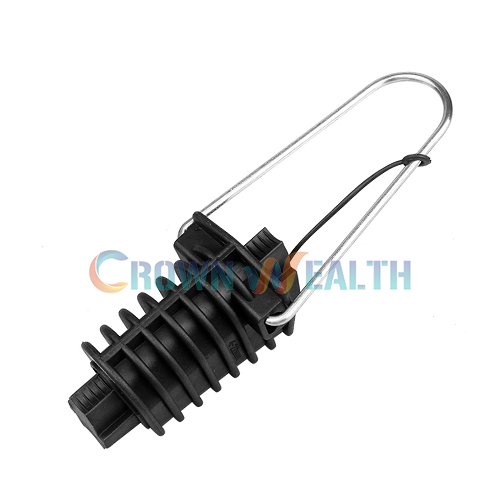
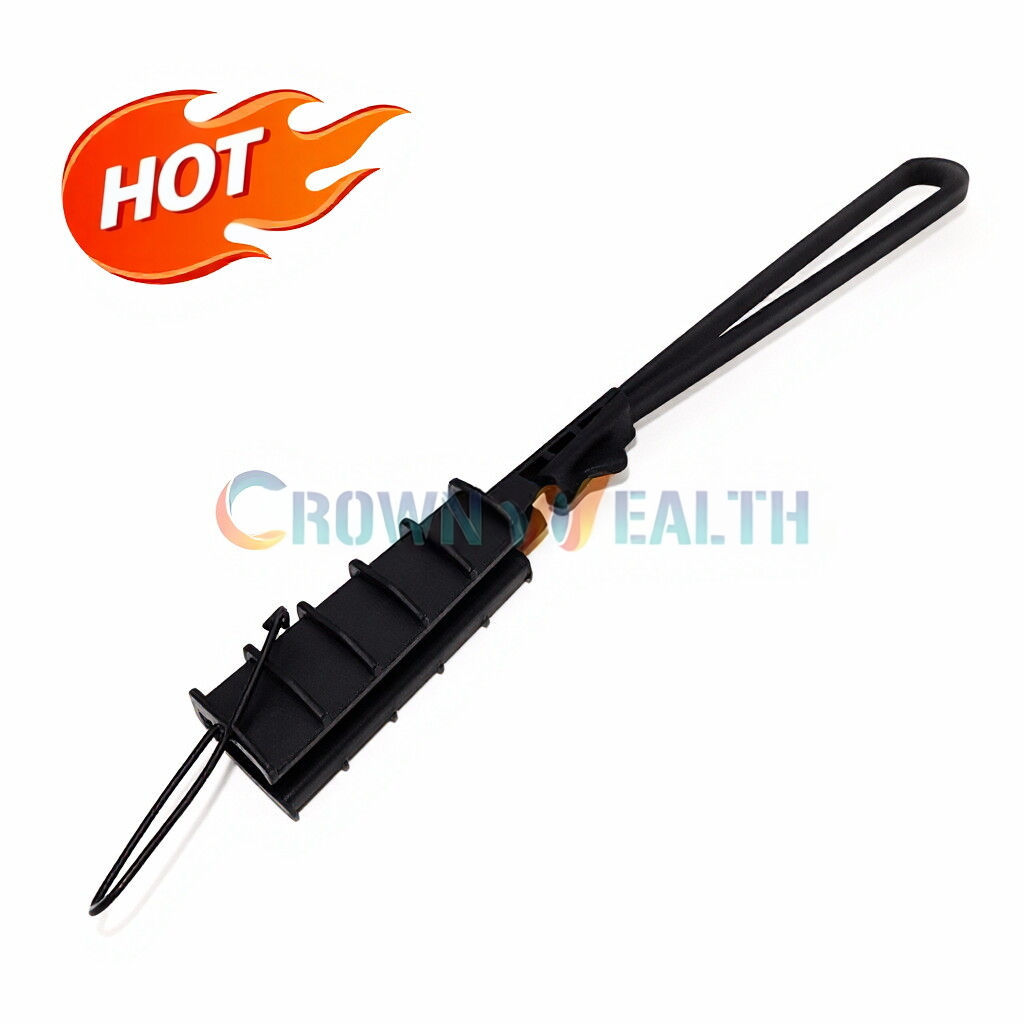
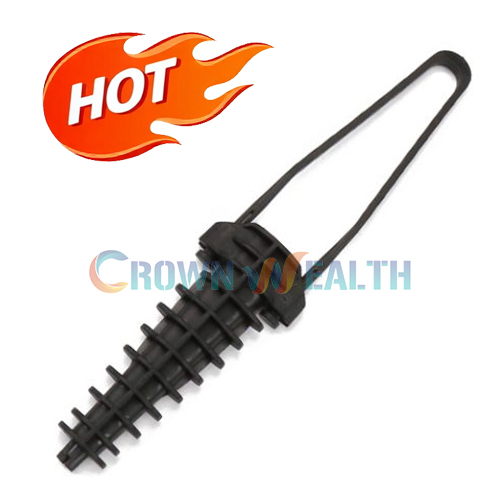
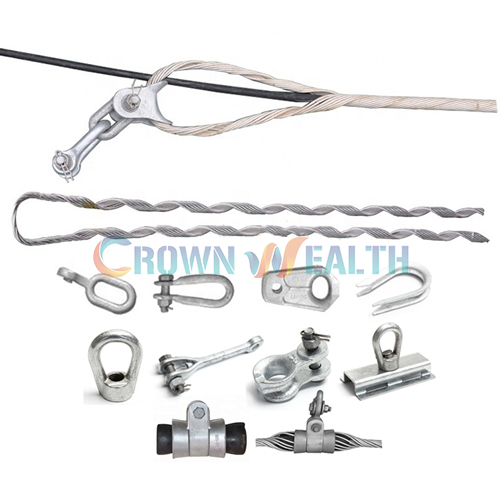
Hey there! As a supplier of ADSS Down Lead Clamps, I've seen my fair share of issues that customers run into. ADSS (All-Dielectric Self-Supporting) Down Lead Clamps are crucial components in fiber - optic cable installations. They hold the down - lead cables securely in place, ensuring the stability and functionality of the entire system. But like any other piece of equipment, they can face problems. In this blog, I'm gonna share some tips on how to troubleshoot the problems of an ADSS Down Lead Clamp.


1. Loose Clamping
One of the most common issues is the clamp not holding the cable tightly enough. This can happen due to various reasons. Maybe the installation wasn't done correctly, or over time, the vibrations from the environment have caused the clamp to loosen up.
- Check the Installation: First things first, take a look at how the clamp was installed. Make sure all the bolts are tightened to the recommended torque. If the bolts are loose, use a torque wrench to tighten them according to the manufacturer's specifications. You can usually find this information in the product manual.
- Inspect the Clamping Surface: The surface of the clamp that comes in contact with the cable should be clean and free of any debris. Dirt, rust, or other contaminants can reduce the friction between the clamp and the cable, leading to a loose hold. If you notice any dirt or rust, clean the surface with a wire brush and a suitable cleaning agent.
2. Corrosion
Corrosion is another big problem, especially in outdoor environments where the clamps are exposed to the elements. Over time, rust can weaken the clamp and reduce its clamping force.
- Visual Inspection: Regularly inspect the clamp for signs of corrosion. Look for rust spots, discoloration, or any signs of metal degradation. If you catch corrosion early, you can take steps to prevent it from getting worse.
- Protective Coating: Some clamps come with a protective coating that helps prevent corrosion. If your clamp doesn't have one, you can apply a corrosion - resistant paint or a galvanized coating. Galvanized clamps, like the Hot Dip Galvanized Strain Clamp, are a great option as they offer excellent corrosion resistance.
3. Cable Damage
The clamp can sometimes cause damage to the cable itself. This can happen if the clamping force is too high or if the clamp has sharp edges.
- Examine the Cable: Check the cable near the clamp for any signs of damage, such as cuts, abrasions, or crushed areas. If you find any damage, it's important to replace the damaged section of the cable as soon as possible. Continuing to use a damaged cable can lead to signal loss or even a complete cable failure.
- Edge Rounding: If the edges of the clamp are sharp, they can cut into the cable. Use a file or a grinder to round off the edges to prevent cable damage.
4. Incompatibility
Using an ADSS Down Lead Clamp that is not compatible with the cable can also lead to problems. The clamp should be designed to fit the specific type and size of the cable you are using.
- Check the Cable Specifications: Before purchasing a clamp, make sure it is compatible with your cable. Consider the cable's diameter, material, and other specifications. The product description usually indicates the cable sizes and types that the clamp can accommodate.
- Consult the Manufacturer: If you're not sure which clamp to use, don't hesitate to contact the manufacturer. They can provide you with expert advice on the right clamp for your application.
5. Fatigue and Wear
Over time, the repeated stress and movement can cause fatigue and wear on the clamp. This can lead to cracks or other structural damage.
- Regular Maintenance: Schedule regular maintenance checks to inspect the clamp for signs of fatigue and wear. Look for cracks, deformation, or any other signs of structural damage. If you notice any issues, replace the clamp immediately.
- Replacement Parts: Some clamps have replaceable parts, such as bolts or gaskets. If a part is worn out, you can replace it instead of replacing the entire clamp. This can save you time and money.
6. Electrical Issues
In some cases, the ADSS Down Lead Clamp can cause electrical problems. For example, if the clamp is not properly grounded, it can lead to electrical interference.
- Grounding Inspection: Check the grounding of the clamp. Make sure it is connected to a proper grounding system. If the grounding is loose or damaged, repair or replace it as necessary.
- Electrical Isolation: If the clamp is used in an environment where electrical isolation is required, make sure it is properly insulated. Use insulating materials to prevent electrical contact between the clamp and other conductive objects.
7. Mechanical Failure
Sometimes, the clamp can experience mechanical failure due to a manufacturing defect or excessive stress.
- Warranty Claim: If you suspect a manufacturing defect, check the warranty of the clamp. Most reputable manufacturers offer a warranty period during which they will replace or repair a defective product.
- Stress Analysis: If the clamp has failed due to excessive stress, you need to analyze the source of the stress. Maybe the cable is being pulled too tightly, or there is excessive vibration in the area. Once you identify the source of the stress, you can take steps to reduce it.
Using Related Accessories
In some cases, using related accessories can help troubleshoot and prevent problems with the ADSS Down Lead Clamp. For example, Fastening Fixture can provide additional support and stability. The Hot Dip Galvanized Cable Storage Bracket can be used to store excess cable in an organized way, reducing the stress on the clamp.
If you're having trouble troubleshooting the problems of your ADSS Down Lead Clamp or if you're looking for high - quality clamps and related accessories, feel free to reach out to us. We're here to help you find the best solutions for your fiber - optic cable installation needs. Whether you're a small - scale installer or a large - scale network operator, we have the products and expertise to meet your requirements. Let's start a conversation and see how we can work together to ensure the success of your project.
References
- Product manuals of ADSS Down Lead Clamps
- Industry standards for fiber - optic cable installations
- Technical papers on cable clamping and corrosion prevention