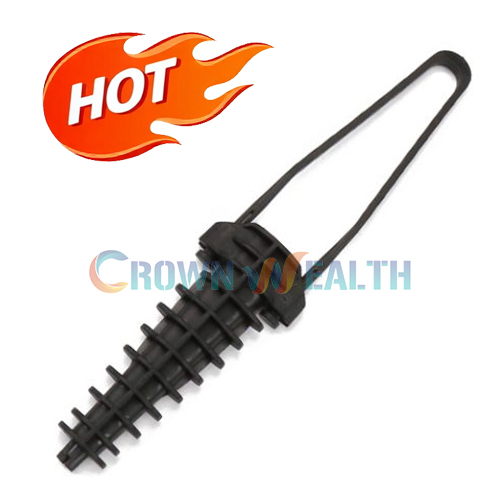
As a leading supplier of OPGW Strain Clamps, I often get asked about the anti-bird-strike properties of our products. In this blog post, I'll delve into the science behind these properties, explain how they work, and why they're crucial for ensuring the long-term reliability of your OPGW (Optical Power Ground Wire) systems.
Understanding Bird Strikes and Their Impact on OPGW Systems
Bird strikes are a significant concern for OPGW systems. These strikes can cause physical damage to the OPGW cable, leading to signal loss, communication disruptions, and even complete system failure. Birds are attracted to power lines for various reasons, including perching, nesting, and using them as navigation aids. When a bird collides with an OPGW cable or its associated hardware, such as strain clamps, the impact can be substantial.
The force of a bird strike depends on several factors, including the size and speed of the bird, the angle of impact, and the mass of the object being struck. In some cases, a single bird strike can cause enough damage to compromise the integrity of the OPGW cable, requiring costly repairs and downtime.
Anti-Bird-Strike Properties of OPGW Strain Clamps
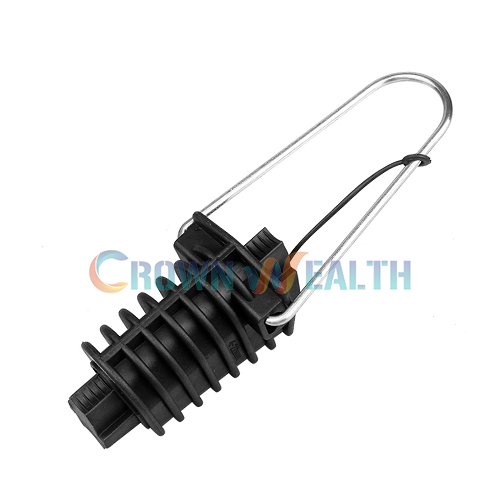
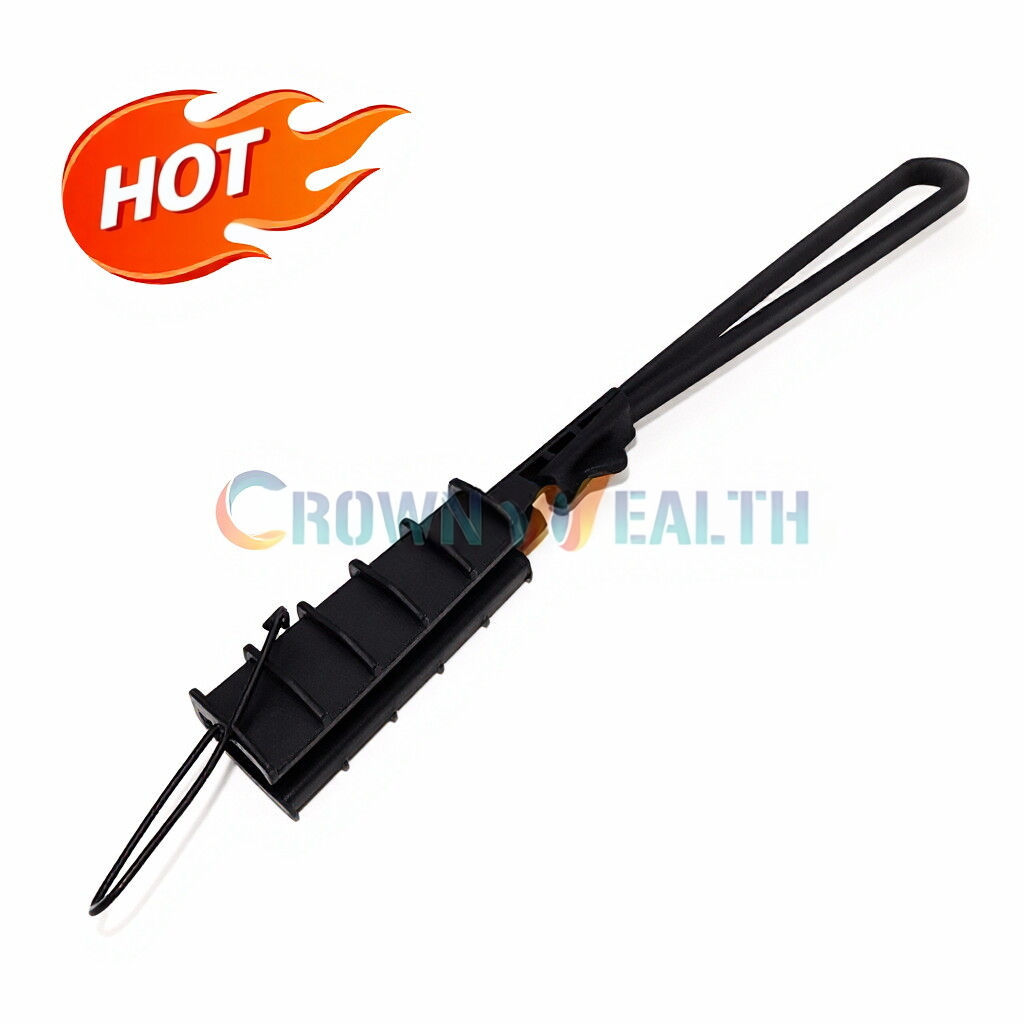
Our OPGW Strain Clamps are designed with several features that enhance their anti-bird-strike properties. These features are based on extensive research and testing to ensure maximum protection against bird strikes.
1. Streamlined Design
One of the key anti-bird-strike features of our OPGW Strain Clamps is their streamlined design. The clamps are engineered to minimize the surface area exposed to bird strikes, reducing the likelihood of a direct impact. The smooth, rounded edges of the clamps also help to deflect birds away from the cable, further reducing the risk of damage.
2. High-Strength Materials
We use high-strength materials in the construction of our OPGW Strain Clamps to withstand the force of bird strikes. These materials are carefully selected for their durability, toughness, and resistance to corrosion. The use of high-strength materials ensures that the clamps can absorb the impact of a bird strike without breaking or deforming, protecting the OPGW cable from damage.
3. Vibration Damping
Bird strikes can cause vibrations in the OPGW cable, which can lead to fatigue and premature failure of the cable. Our OPGW Strain Clamps are designed with vibration damping features to reduce the impact of these vibrations. The clamps are equipped with special rubber pads or dampers that absorb and dissipate the energy of the vibrations, protecting the cable from damage.
4. Visibility Markings
To further enhance the anti-bird-strike properties of our OPGW Strain Clamps, we apply visibility markings to the clamps. These markings are designed to make the clamps more visible to birds, reducing the likelihood of a collision. The visibility markings can be in the form of bright colors, reflective tape, or other visual cues that are easily recognizable by birds.
Testing and Certification
All of our OPGW Strain Clamps undergo rigorous testing to ensure their anti-bird-strike properties meet or exceed industry standards. We use a variety of testing methods, including impact testing, vibration testing, and fatigue testing, to simulate real-world conditions and evaluate the performance of the clamps.
In addition to our in-house testing, our OPGW Strain Clamps are also certified by independent third-party organizations. These certifications provide assurance that our clamps meet the highest standards of quality and performance, and are suitable for use in a wide range of applications.
Benefits of Using Anti-Bird-Strike OPGW Strain Clamps
There are several benefits to using anti-bird-strike OPGW Strain Clamps in your OPGW systems. These benefits include:
1. Reduced Maintenance Costs
By protecting the OPGW cable from damage caused by bird strikes, our anti-bird-strike OPGW Strain Clamps can help to reduce maintenance costs. Fewer repairs and replacements mean less downtime and lower overall maintenance expenses.
2. Improved System Reliability
Bird strikes can cause disruptions to OPGW systems, leading to signal loss and communication failures. By using anti-bird-strike OPGW Strain Clamps, you can improve the reliability of your OPGW systems, ensuring uninterrupted communication and data transmission.
3. Enhanced Safety
Bird strikes can pose a safety risk to workers and the public. By reducing the likelihood of bird strikes, our anti-bird-strike OPGW Strain Clamps can help to enhance safety in and around OPGW systems.
Other OPGW Fittings
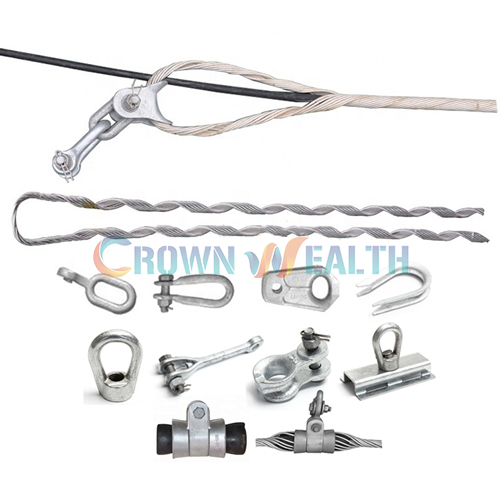
In addition to our OPGW Strain Clamps, we also offer a wide range of other OPGW fittings, including OPGW Preformed Tension Clamp and OPGW Performed Helical Suspension Clamp. These fittings are also designed with anti-bird-strike properties to provide comprehensive protection for your OPGW systems.
Conclusion
Bird strikes are a significant concern for OPGW systems, but with the right anti-bird-strike solutions, you can protect your investment and ensure the long-term reliability of your systems. Our OPGW Strain Clamps are designed with several features that enhance their anti-bird-strike properties, including a streamlined design, high-strength materials, vibration damping, and visibility markings. By using our anti-bird-strike OPGW Strain Clamps, you can reduce maintenance costs, improve system reliability, and enhance safety.


If you're interested in learning more about our OPGW Strain Clamps or other OPGW fittings, please visit our website at OPGW Strain Clamp. Our team of experts is ready to assist you with your OPGW needs and provide you with the best solutions for your specific applications. Contact us today to start a conversation about your procurement requirements.
References
- Bird Strike Committee USA. (n.d.). Bird Strikes: A Growing Problem. Retrieved from [Website URL]
- International Electrotechnical Commission. (n.d.). IEC Standards for OPGW Fittings. Retrieved from [Website URL]
- IEEE Power and Energy Society. (n.d.). Guidelines for the Design and Installation of OPGW Systems. Retrieved from [Website URL]