Hey there! As an ADSS fitting supplier, I often get asked about the load - bearing capacity of ADSS fittings. So, I thought I'd take the time to break it down for you in this blog post.
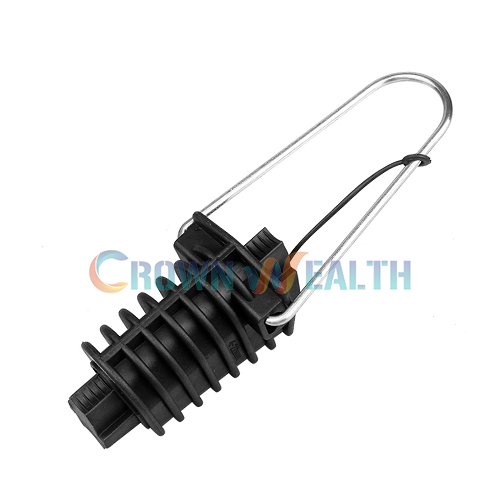
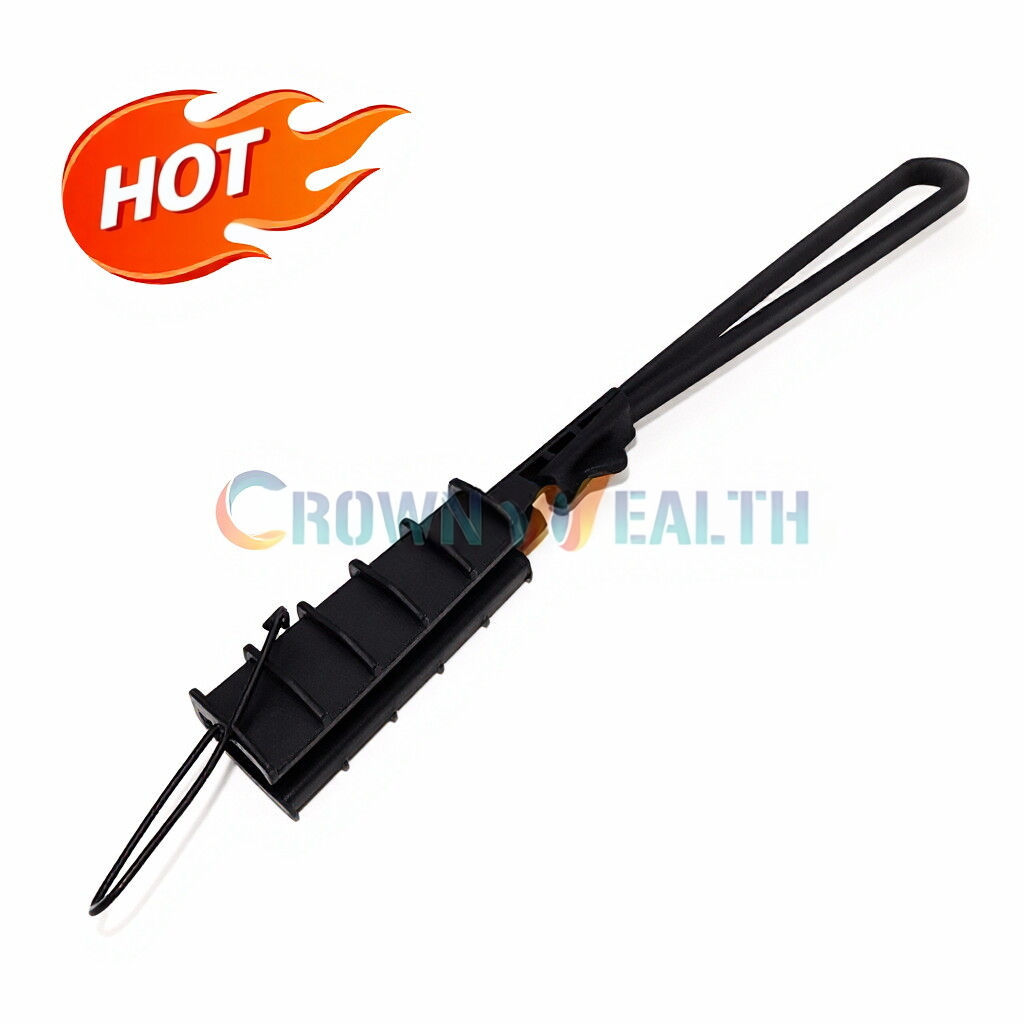
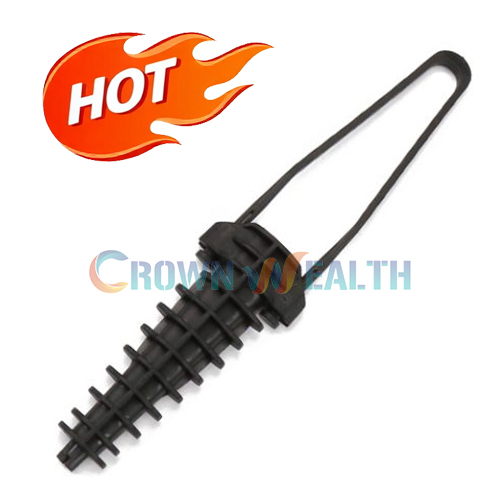
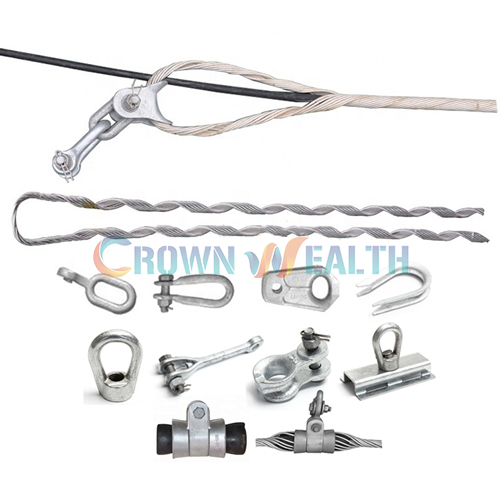
First off, let's understand what ADSS fittings are. ADSS, or All - Dielectric Self - Supporting, cables are used in power utility and telecommunication industries. ADSS fittings are the components that are used to install, support, and protect these cables. They include stuff like ADSS Suspension Clamp, Fastening Fixture, and ADSS Cable Storage Bracket.
Now, the load - bearing capacity of ADSS fittings is super important. It determines how much weight and stress these fittings can handle without failing. This is crucial because ADSS cables are often installed in outdoor environments, where they have to deal with all sorts of conditions like wind, ice, and the weight of the cable itself.
Let's start with the factors that affect the load - bearing capacity.
Cable Characteristics
The weight and diameter of the ADSS cable play a huge role. Heavier and thicker cables will obviously require fittings with a higher load - bearing capacity. For example, a large - diameter ADSS cable used in a long - span installation will put more stress on the suspension clamps compared to a smaller cable. The material of the cable also matters. Some cables are made with stronger materials that can withstand more tension, and the fittings need to be able to support that tension.
Environmental Conditions
Wind is a major factor. Strong winds can create a lot of lateral force on the cable, which the fittings have to resist. In areas with high - wind speeds, the load - bearing capacity requirements for the fittings go up. Ice is another issue. When ice accumulates on the cable, it adds a significant amount of weight. The fittings need to be able to support this extra weight without breaking or losing their grip on the cable. Temperature changes can also affect the load - bearing capacity. Extreme cold can make the materials of the fittings more brittle, reducing their ability to handle stress.
Installation Span
The distance between the support points (the span) is crucial. Longer spans mean that the cable sags more, and the fittings have to support more of the cable's weight. In a long - span installation, the suspension clamps need to have a higher load - bearing capacity to prevent the cable from snapping or the clamps from coming loose.
Types of ADSS Fittings and Their Load - Bearing Capacities
ADSS Suspension Clamps
These are used to support the cable at regular intervals along the span. The load - bearing capacity of suspension clamps is typically specified in terms of the maximum vertical load they can support. A good quality suspension clamp for a standard ADSS cable installation might have a load - bearing capacity of several hundred kilograms. For example, in a normal urban installation with relatively short spans and moderate environmental conditions, a suspension clamp with a capacity of 500 - 1000 kg might be sufficient. But in a high - wind or long - span situation, you might need clamps with a capacity of 2000 kg or more.
Fastening Fixtures
Fastening fixtures are used to secure the cable to the support structures like poles or towers. Their load - bearing capacity is related to how well they can hold the cable in place under different loads. They need to resist both vertical and horizontal forces. For instance, if there's a strong wind pushing the cable sideways, the fastening fixtures need to keep the cable attached to the support structure. The load - bearing capacity of these fixtures can vary widely depending on the design and the material used. Some high - strength fastening fixtures can handle loads of over 1000 kg, especially when they're used in critical installations.
ADSS Cable Storage Brackets
These are used to store excess cable at the installation site. While they might not have to deal with the same kind of dynamic loads as suspension clamps or fastening fixtures, they still need to have a certain load - bearing capacity. They need to be able to support the weight of the coiled cable without deforming or breaking. A typical cable storage bracket might have a load - bearing capacity of a few hundred kilograms, depending on the size and design.


How to Determine the Right Load - Bearing Capacity
When choosing ADSS fittings, it's essential to calculate the expected loads accurately. You need to consider all the factors we've talked about. Engineers usually use mathematical models and computer simulations to estimate the loads on the cable and the fittings. They'll look at the cable specifications, the environmental data for the installation site, and the span length.
Once you have an estimate of the loads, you can select the appropriate fittings. It's always a good idea to choose fittings with a slightly higher load - bearing capacity than the calculated loads. This provides a safety margin in case there are any unexpected conditions or if the loads turn out to be higher than predicted.
Testing and Certification
Reputable ADSS fitting manufacturers test their products to ensure they meet the required load - bearing capacity standards. These tests are usually carried out in a laboratory environment, where the fittings are subjected to different types of loads and stresses. The results are then compared to industry standards.
Certifications are also important. Look for fittings that have been certified by recognized organizations. This gives you confidence that the fittings have been tested and meet the necessary quality and safety requirements.
In conclusion, understanding the load - bearing capacity of ADSS fittings is crucial for a successful and safe cable installation. As an ADSS fitting supplier, I'm always here to help you choose the right fittings for your specific needs. Whether you're dealing with a small - scale installation or a large - scale project in a challenging environment, we have the expertise to provide you with fittings that can handle the loads.
If you're in the market for ADSS fittings and want to discuss your load - bearing capacity requirements, don't hesitate to reach out. We can have a detailed chat about your project and help you select the best - suited fittings.
References
- IEEE Standards for Fiber Optic Cable Installations
- International Electrotechnical Commission (IEC) Publications on ADSS Cables and Fittings
- Manufacturer's Technical Documentation for ADSS Fittings