Are there protective fittings for gardening tools? You bet there are! As a supplier of protective fittings, I've seen firsthand how these little accessories can make a big difference in the lifespan and performance of gardening tools. In this blog post, I'll share some insights into the world of protective fittings for gardening tools, including what they are, why they're important, and some popular types you might want to consider.
First off, let's talk about what protective fittings are. Simply put, they're components designed to safeguard gardening tools from various forms of damage. Whether it's protecting against wear and tear, reducing vibrations, or preventing corrosion, these fittings play a crucial role in keeping your tools in top-notch condition.
Why are protective fittings so important for gardening tools? Well, gardening can be a rough and tumble activity. Tools are constantly exposed to dirt, moisture, and the elements, which can take a toll on their performance over time. Protective fittings act as a shield, helping to extend the life of your tools and ensuring they continue to work effectively. They can also improve safety by reducing the risk of accidents caused by damaged or malfunctioning tools.
Now, let's take a look at some popular types of protective fittings for gardening tools.
Vibration Dampers
One of the most common types of protective fittings is the vibration damper. Gardening tools like lawnmowers, chainsaws, and hedge trimmers can generate a lot of vibrations during operation. These vibrations not only make the tool uncomfortable to use but can also cause long-term damage to the user's hands and arms. Vibration dampers are designed to absorb and reduce these vibrations, making the tool more comfortable to hold and operate.
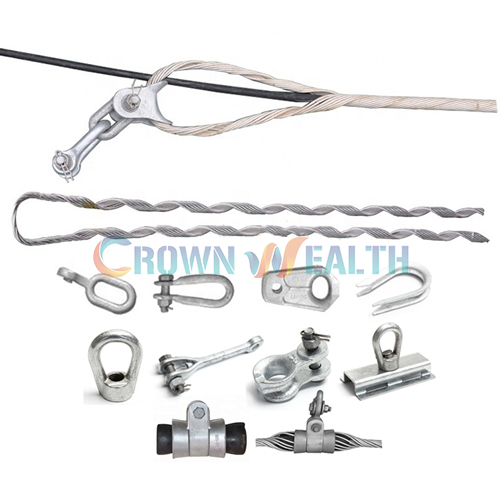
For example, a Helical Spiral Vibration Damper is a type of vibration damper that uses a helical spiral design to absorb and dissipate vibrations. It's often used in power tools to reduce the impact of vibrations on the user. Another option is the Vibration Damper, which is a more general term for any device that reduces vibrations. These dampers can be made from a variety of materials, including rubber, silicone, and foam.
Grips and Handles
Another important type of protective fitting is the grip or handle. A good grip can make a big difference in how comfortable and easy it is to use a gardening tool. It can also help to prevent slips and accidents, especially when the tool is wet or dirty.
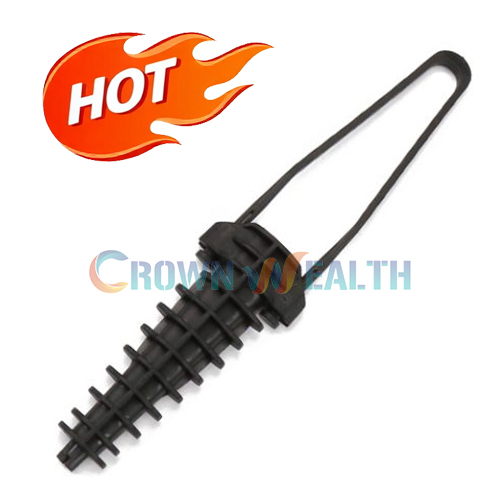
Preformed guy grips, like the Preformed Guy Grips, are a type of grip that is designed to fit snugly around the handle of a tool. They're often made from materials like rubber or plastic and can provide a non-slip surface for better control. Some grips also have additional features, such as padding or ergonomic designs, to make them more comfortable to hold.
Covers and Sheaths
Covers and sheaths are another way to protect your gardening tools. They can help to keep the tool clean and dry when it's not in use, and they can also protect the tool from scratches and other damage.


For example, a blade cover can be used to protect the sharp edge of a pruning shear or a saw when it's not in use. A tool sheath can be used to store and transport a tool safely, preventing it from getting damaged or causing injury.
Corrosion Protection
Gardening tools are often exposed to moisture, which can cause them to rust and corrode over time. Corrosion protection fittings can help to prevent this by providing a barrier between the tool and the moisture.
Some common types of corrosion protection include coatings, paints, and lubricants. These products can be applied to the surface of the tool to protect it from rust and corrosion. For example, a rust-resistant paint can be applied to the metal parts of a tool to prevent them from rusting. A lubricant can be used to keep the moving parts of a tool well-oiled and protected from corrosion.
In addition to these specific types of protective fittings, there are also other general ways to protect your gardening tools. For example, storing your tools in a dry place when they're not in use can help to prevent corrosion. Cleaning your tools regularly can also help to remove dirt and debris that can cause damage over time.
As a supplier of protective fittings, I'm always happy to help customers find the right products for their needs. Whether you're a professional gardener or a weekend warrior, having the right protective fittings can make a big difference in the performance and lifespan of your gardening tools.
If you're interested in learning more about our protective fittings or if you have any questions, please don't hesitate to contact us. We'd love to help you find the perfect solutions for your gardening tools.
In conclusion, protective fittings are an essential part of maintaining and protecting your gardening tools. They can help to extend the life of your tools, improve their performance, and make them safer and more comfortable to use. So, if you haven't already, consider investing in some protective fittings for your gardening tools. Your tools (and your hands) will thank you!
References
- General knowledge about gardening tools and protective fittings from industry experience.
- Product information from the company's catalog regarding Helical Spiral Vibration Damper, Vibration Damper, and Preformed Guy Grips.