As a supplier of Downlead Clamps, I often receive inquiries from customers about the installation process, particularly regarding whether any special tools are required. In this blog post, I will delve into this topic, providing detailed insights to help you understand the installation requirements for Downlead Clamps.
Understanding Downlead Clamps
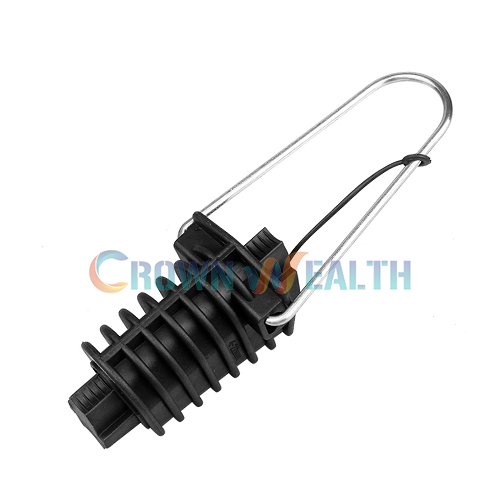
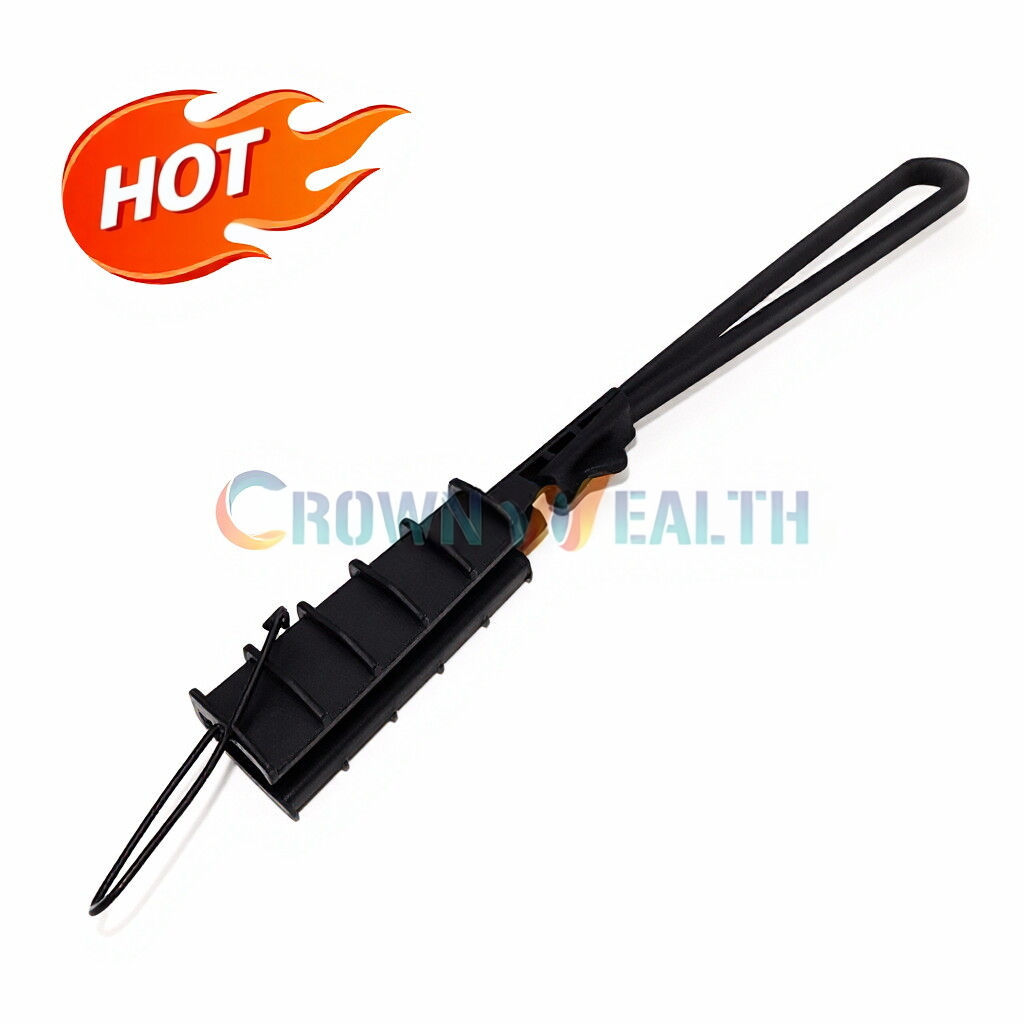
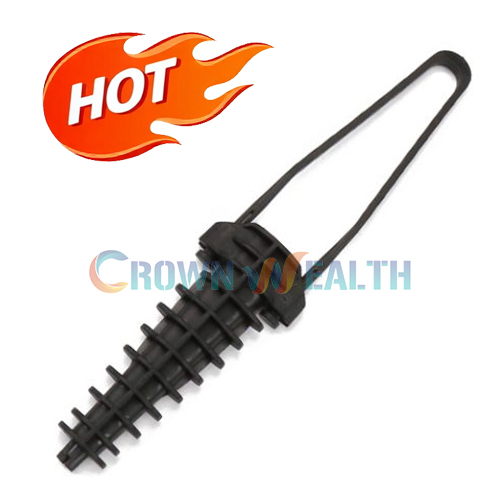
Before discussing the installation tools, it's essential to understand what Downlead Clamps are and their functions. Downlead Clamps are crucial components in overhead line systems, especially in fiber - optic cable installations. They are designed to securely hold the downlead cable, which runs from the overhead line to the ground or other equipment, ensuring its stability and proper positioning. You can learn more about Downlead Clamps on our website Downlead Clamp.
General Installation Process
The installation of Downlead Clamps typically involves a few key steps. First, you need to identify the appropriate location on the structure where the clamp will be installed. This location should be carefully chosen to ensure that the downlead cable is properly aligned and supported. Next, the clamp needs to be attached to the structure, followed by the insertion and securing of the downlead cable within the clamp.
Tools Required for Installation
Basic Hand Tools
In most cases, the installation of Downlead Clamps does not require any highly specialized tools. Basic hand tools that are commonly found in a standard toolbox are usually sufficient. These include:
- Screwdrivers: Depending on the type of fasteners used in the Downlead Clamp, flat - head or Phillips - head screwdrivers may be needed. Screwdrivers are used to tighten or loosen the screws that hold the clamp components together or attach the clamp to the structure.
- Wrenches: Adjustable wrenches or socket wrenches are useful for tightening nuts and bolts. If the Downlead Clamp is secured using bolts, the appropriate size of wrench is required to ensure a proper and tight fit.
Optional Tools
While basic hand tools are often enough, there are some optional tools that can make the installation process more efficient and precise:
- Torque Wrench: A torque wrench is a specialized tool that allows you to apply a specific amount of torque when tightening bolts. This is particularly important in applications where over - tightening or under - tightening can lead to problems. For example, if a bolt is over - tightened, it may damage the clamp or the structure it is attached to. On the other hand, if it is under - tightened, the clamp may not hold the downlead cable securely.
- Cable Cutters: If the downlead cable needs to be trimmed to the appropriate length during installation, cable cutters can be very useful. They provide a clean and precise cut, ensuring that the cable fits properly within the clamp.
Special Considerations for Different Types of Downlead Clamps
There are various types of Downlead Clamps available in the market, and the installation requirements may vary slightly depending on the design and material of the clamp.
Overhead Line Suspension Clamp
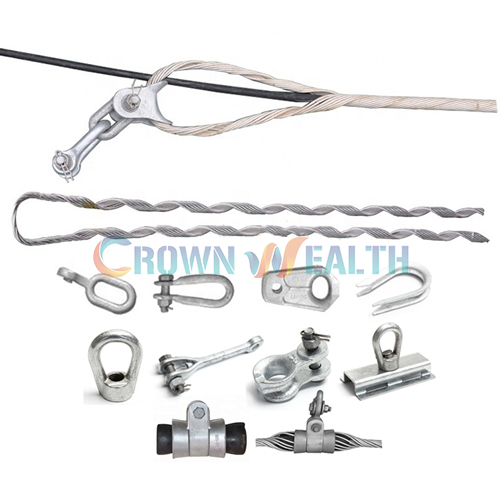
The Overhead Line Suspension Clamp is a type of Downlead Clamp that is specifically designed for suspending the downlead cable from an overhead line. When installing this type of clamp, additional care needs to be taken to ensure that the clamp is properly aligned with the overhead line. In some cases, a leveling tool may be required to ensure that the clamp is installed horizontally.


Performed Helical Suspension Clamp
The Performed Helical Suspension Clamp has a unique helical design that provides excellent grip on the downlead cable. The installation of this type of clamp may require a tool to help wind the helical part around the cable. A simple rod or a similar tool can be used to assist in this process.
Safety Precautions During Installation
Regardless of the tools used, safety should always be the top priority during the installation of Downlead Clamps. Here are some important safety precautions:
- Wear Protective Gear: Always wear appropriate protective gear, such as safety glasses, gloves, and hard hats. This can protect you from potential hazards, such as flying debris or electrical shocks.
- Follow Installation Instructions: Carefully read and follow the installation instructions provided by the manufacturer. This will ensure that the clamp is installed correctly and safely.
- Check the Tools: Before using any tools, check them for any signs of damage or wear. Damaged tools can pose a safety risk and may also affect the quality of the installation.
Conclusion
In conclusion, the installation of Downlead Clamps generally does not require any special tools. Basic hand tools such as screwdrivers and wrenches are usually sufficient for most installations. However, optional tools like torque wrenches and cable cutters can enhance the efficiency and precision of the installation process. The specific tool requirements may vary depending on the type of Downlead Clamp being installed.
If you are in the market for high - quality Downlead Clamps or have any questions about their installation, we are here to help. Our team of experts can provide you with detailed information and guidance to ensure that you make the right choice for your project. Feel free to reach out to us for more information and to start a procurement discussion.
References
- Industry standards for overhead line installation and maintenance.
- Manufacturer's installation guides for Downlead Clamps.