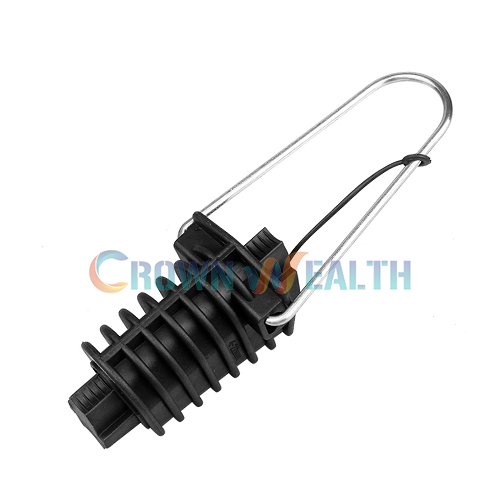
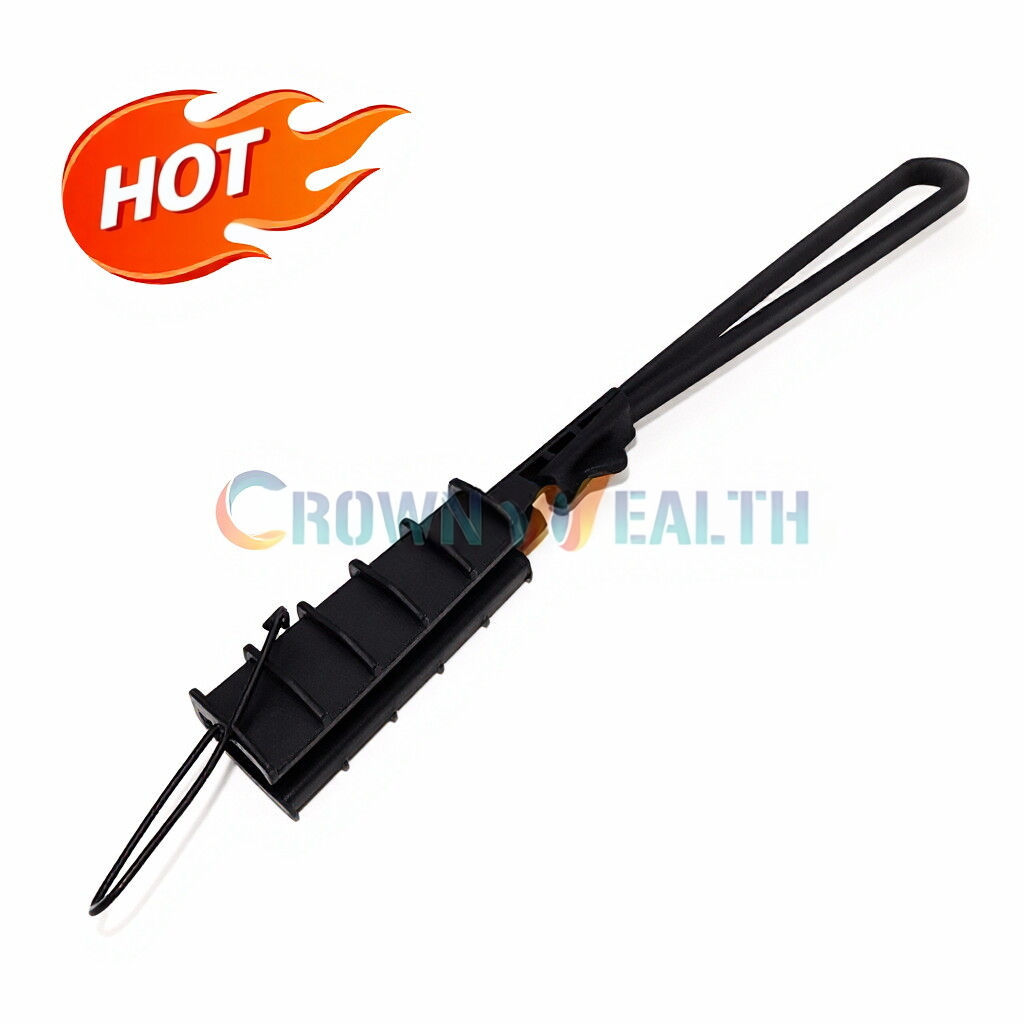
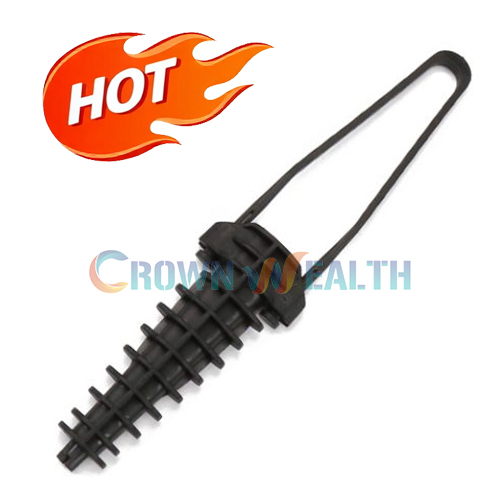
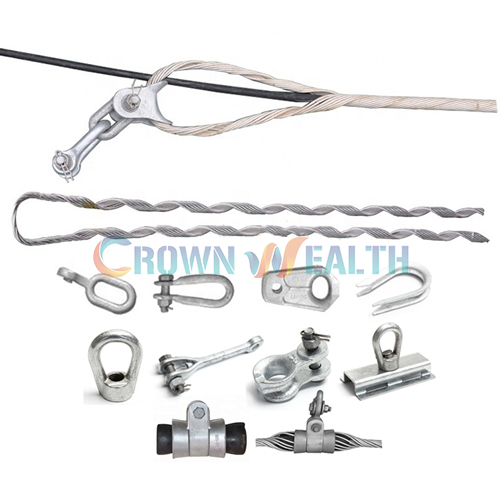
OPGW (Optical Fiber Composite Overhead Ground Wire) strain clamps play a crucial role in power transmission and communication systems. As a professional OPGW strain clamp supplier, I understand the importance of proper installation environment requirements. This blog post will delve into the key factors that need to be considered when installing OPGW strain clamps.
Temperature
Temperature is one of the most critical environmental factors affecting the installation and performance of OPGW strain clamps. Extreme temperatures can cause thermal expansion and contraction of materials, which may lead to mechanical stress and damage to the clamps.
- High - Temperature Environments: In areas with high ambient temperatures, such as deserts or industrial regions with intense heat sources, the OPGW strain clamps need to be made of materials that can withstand elevated temperatures. High - temperature resistant alloys are often used to ensure the mechanical properties of the clamps remain stable. For example, some advanced alloys can maintain their strength and elasticity even at temperatures up to 200°C. If the clamps are not suitable for high - temperature environments, they may experience softening, which can result in loosening and reduced clamping force.
- Low - Temperature Environments: Conversely, in cold regions like the Arctic or high - altitude mountains, low temperatures can make materials brittle. The OPGW strain clamps should be designed to resist cold - induced embrittlement. Special cold - resistant coatings or materials with high ductility at low temperatures are employed. For instance, some polymers used in the insulation or protection parts of the clamps are formulated to remain flexible at temperatures as low as - 40°C. Failure to consider low - temperature effects can lead to cracks in the clamps, compromising their structural integrity.
Humidity and Moisture
Humidity and moisture can have a significant impact on the long - term performance of OPGW strain clamps.
- Corrosion: High humidity levels increase the risk of corrosion, especially for metal components of the clamps. Corrosion can weaken the structural strength of the clamps over time. To prevent corrosion, the clamps are often coated with anti - corrosion materials such as zinc or epoxy. For example, a hot - dip galvanized coating can provide a durable protective layer against moisture and oxygen. In coastal areas or places with high rainfall, the corrosion rate is even higher, so additional protective measures like sealing gaskets may be required.
- Insulation Performance: Moisture can also affect the insulation performance of the OPGW. If moisture penetrates the insulation layers of the cable or the clamp, it can cause electrical leakage and signal interference. The clamps should be designed with proper sealing mechanisms to prevent moisture ingress. Some clamps are equipped with rubber gaskets or silicone seals to ensure a watertight connection. For more information on related components, you can visit Cable Storage Assembly.
Altitude
Altitude is another important factor that needs to be considered during the installation of OPGW strain clamps.


- Air Density: As altitude increases, the air density decreases. This affects the heat dissipation of the clamps. In high - altitude areas, the reduced air density means less efficient heat transfer. The OPGW strain clamps may need to be designed with larger surface areas or additional heat - dissipation fins to ensure proper cooling. Otherwise, the clamps may overheat, which can damage the internal components and reduce their lifespan.
- UV Radiation: Higher altitudes also expose the clamps to more intense ultraviolet (UV) radiation. UV radiation can degrade the polymers and coatings used in the clamps. Special UV - resistant materials or coatings should be used to protect the clamps from UV - induced damage. For example, some UV - resistant polymers can maintain their mechanical and chemical properties after long - term exposure to sunlight.
Wind and Vibration
Wind and vibration are common environmental factors in overhead power and communication lines.
- Mechanical Stress: Strong winds can exert significant mechanical stress on the OPGW and its associated clamps. The clamps need to be able to withstand these dynamic loads. They are designed with high - strength materials and proper clamping geometries to ensure a secure grip on the cable. For example, some clamps have a multi - point clamping design that distributes the wind - induced forces evenly.
- Vibration Fatigue: Continuous vibration, whether caused by wind or other factors such as nearby machinery, can lead to fatigue failure of the clamps. The clamps should be designed to resist vibration fatigue. Damping materials or vibration - absorbing structures may be incorporated into the clamp design. For example, rubber pads can be used to reduce the transmission of vibration to the clamp body.
Chemical Environment
In some industrial or polluted areas, the OPGW strain clamps may be exposed to various chemical substances.
- Acid and Alkali Exposure: Chemicals such as acids or alkalis can corrode the clamps. In areas near chemical plants or mines, the clamps need to be made of acid - and alkali - resistant materials. For example, stainless steel is often used in highly corrosive chemical environments due to its excellent resistance to acids and alkalis.
- Pollutants: Airborne pollutants like sulfur dioxide or particulate matter can also have a negative impact on the clamps. The clamps should be protected with appropriate coatings or enclosures. For instance, a dust - proof and pollution - resistant housing can prevent the accumulation of pollutants on the clamp surface. For related protection components, you can refer to Aluminum Joint Box and Aluminum Alloy Optical Cable Splice Box.
Installation Space and Clearance
Proper installation space and clearance are essential for the correct installation and maintenance of OPGW strain clamps.
- Installation Space: There should be sufficient space around the clamps to allow for easy installation and disassembly. The installation space should also accommodate any tools or equipment required for the installation process. If the space is too limited, it may be difficult to ensure a proper installation, which can lead to incorrect clamping and reduced performance.
- Clearance from Other Objects: The OPGW strain clamps should have adequate clearance from other objects such as buildings, trees, or other power lines. This is to prevent interference, electrical arcing, or mechanical damage. For example, a minimum clearance distance of several meters may be required between the OPGW and nearby buildings to ensure safety.
As a reliable OPGW strain clamp supplier, we have extensive experience in providing products that meet various installation environment requirements. Our OPGW strain clamps are designed and manufactured to the highest standards, taking into account all the environmental factors mentioned above. If you are in need of high - quality OPGW strain clamps or have any questions regarding installation environment requirements, we encourage you to contact us for procurement and further discussions. We are committed to providing you with the best solutions for your specific needs.
References
- "Handbook of Fiber Optic Transmission Systems"
- "Power Transmission Line Design and Installation Guidelines"
- "Materials Science and Engineering for Electrical Components"