Hey there! As a supplier of Spiral Vibration Dampers, I've seen firsthand how important these little devices are in keeping power lines and other structures safe. But like any piece of equipment, they need to be used correctly to ensure maximum safety. So, let's talk about what safety precautions you should take when using Spiral Vibration Dampers.
1. Installation Safety
First off, proper installation is key. Before you even start, make sure you've got all the right tools and equipment. You'll need things like safety harnesses, gloves, and eye protection. Safety harnesses are a must, especially if you're working at height. You don't want to take any chances of falling, so always double - check that your harness is properly secured.
When handling the dampers, wear gloves to protect your hands from any sharp edges. Some of these dampers can have a bit of a rough finish, and you don't want to end up with cuts or splinters. And don't forget your safety glasses. Small debris can fly around during installation, and you definitely don't want anything getting into your eyes.
Also, follow the installation instructions carefully. Each damper might have specific requirements for spacing, attachment points, and so on. If you're not sure, don't hesitate to reach out to us. We're here to help you get it right. For example, some dampers are designed to be installed on specific types of conductors, and using them on the wrong ones can lead to ineffective performance or even damage.
2. Compatibility Checks
Before you install Spiral Vibration Dampers, it's crucial to check their compatibility with the existing system. You need to make sure that the dampers are the right size and type for the conductors or structures they'll be attached to. For instance, if you're using them on power lines, different line sizes and tensions require different dampers.
It's also a good idea to consider the environmental conditions. Some areas might have extreme temperatures, high humidity, or strong winds. In these cases, you need to choose dampers that can withstand these conditions. For example, in a coastal area with high salt content in the air, you'll want dampers that are corrosion - resistant.
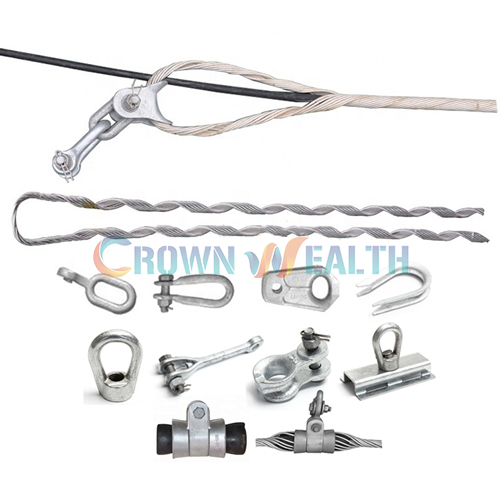
And don't forget about other components in the system. Make sure the dampers are compatible with things like Preformed End Guy Grips, Preformed Armor Rods, and Preformed Conductor Tension Set. These components work together, and if they're not compatible, it can cause problems down the line.
3. Inspection and Maintenance
Once the dampers are installed, regular inspection and maintenance are essential. You should schedule routine checks to make sure the dampers are still in good condition. Look for signs of wear and tear, such as cracks, corrosion, or loose fittings.
During inspections, check the attachment points to make sure the dampers are still securely fastened. If you notice any movement or looseness, it could be a sign that something is wrong. You might need to tighten the fittings or even replace the damper if the damage is severe.
Also, keep an eye on the performance of the dampers. If you notice an increase in vibration levels or other abnormal behavior, it could mean that the dampers aren't working as they should. In this case, you'll need to investigate further and take appropriate action.
4. Handling and Storage
When handling Spiral Vibration Dampers, be gentle. They might seem sturdy, but rough handling can cause damage. Avoid dropping them or hitting them against hard surfaces. If they get damaged during handling, their performance could be affected.
Proper storage is also important. Store the dampers in a dry, clean place. Moisture can cause corrosion, especially if the dampers are made of metal. You can also use protective covers if possible to keep them clean and prevent any physical damage.
And when you're transporting the dampers, make sure they're properly secured. You don't want them shifting around in transit and getting damaged. Use appropriate packaging and restraints to keep them in place.
5. Training for Operators
If you have a team of people working with Spiral Vibration Dampers, make sure they're properly trained. They should know how to install, inspect, and maintain the dampers safely. Training can include both theoretical knowledge about the dampers and practical hands - on experience.
Provide your operators with safety manuals and guidelines. Make sure they understand the potential hazards and how to avoid them. And encourage them to ask questions if they're not sure about something. After all, safety is everyone's responsibility.


6. Emergency Preparedness
Even with all the precautions in place, emergencies can still happen. So, it's important to have an emergency plan in place. Make sure your team knows what to do in case of an accident, such as a damper coming loose or a sudden increase in vibration.
Have the necessary emergency equipment on hand, like first - aid kits and fire extinguishers. And make sure everyone knows where to find these items in case of an emergency.
7. Documentation
Keep detailed records of the installation, inspection, and maintenance of the Spiral Vibration Dampers. This documentation can be very useful in the long run. It can help you track the performance of the dampers over time, identify any recurring issues, and plan for future replacements.
The records should include things like the date of installation, the type of damper used, inspection results, and any maintenance or repairs that were done. This information can also be valuable if you ever need to prove compliance with safety regulations.
Conclusion
Using Spiral Vibration Dampers safely is all about taking the right precautions. From proper installation and compatibility checks to regular inspection and maintenance, every step is important. By following these safety tips, you can ensure that your Spiral Vibration Dampers work effectively and keep your structures and power lines safe.
If you're in the market for Spiral Vibration Dampers or have any questions about their safety or performance, don't hesitate to get in touch with us. We're here to help you make the right choices and ensure a safe and efficient operation. Whether you need advice on installation, compatibility, or anything else related to our products, we've got you covered.
References
- Industry standards for vibration dampers in power systems
- Manufacturer's guidelines for Spiral Vibration Dampers
- Safety regulations for working with electrical equipment and structures