As a seasoned supplier of Armor Rods, I've witnessed firsthand the growing demand for these essential components in the power transmission and distribution industry. One of the most frequently asked questions I encounter is whether Armor Rods are resistant to wear and tear. In this blog post, I'll delve into the science behind Armor Rods, explore their durability, and provide real-world examples to illustrate their performance.
Understanding Armor Rods
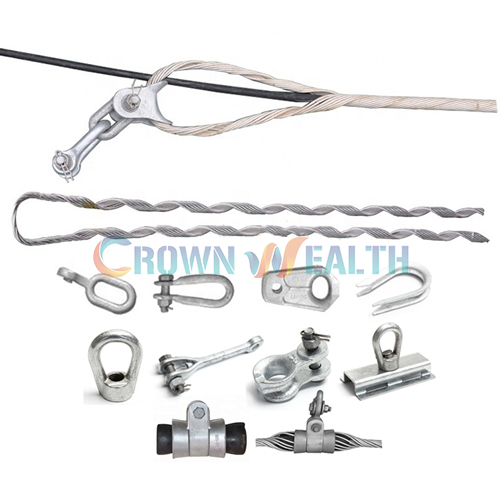
Armor Rods are helically wound wires that are installed on overhead power lines to protect the conductor from mechanical damage, vibration, and corrosion. They are typically made of high-strength aluminum alloy or steel, which provides excellent resistance to abrasion and fatigue. The helical design of Armor Rods allows them to conform to the shape of the conductor, providing a uniform distribution of stress and preventing localized damage.
Resistance to Wear and Tear
One of the primary functions of Armor Rods is to protect the conductor from wear and tear caused by wind-induced vibration, galloping, and ice loading. These dynamic forces can cause the conductor to oscillate, resulting in fatigue and eventual failure. Armor Rods act as a buffer, absorbing the energy of the vibration and reducing the stress on the conductor.


The high-strength materials used in Armor Rods, such as aluminum alloy and steel, are inherently resistant to wear and tear. Aluminum alloy Armor Rods offer excellent corrosion resistance, making them suitable for use in harsh environments. Steel Armor Rods, on the other hand, provide superior strength and durability, making them ideal for high-stress applications.
In addition to their material properties, the helical design of Armor Rods also contributes to their resistance to wear and tear. The helical shape allows the Armor Rods to move freely with the conductor, reducing the friction between the two and preventing abrasion. This design also helps to distribute the stress evenly along the length of the conductor, preventing localized damage.
Real-World Examples
To illustrate the effectiveness of Armor Rods in resisting wear and tear, let's take a look at some real-world examples. In a recent project in a coastal area, our Armor Rods were installed on a high-voltage transmission line to protect the conductor from the corrosive effects of saltwater and the mechanical stress caused by strong winds. After several years of operation, the Armor Rods showed minimal signs of wear and tear, and the conductor remained in excellent condition.
In another project in a mountainous region, our Armor Rods were used to protect the conductor from ice loading and galloping. The helical design of the Armor Rods allowed them to absorb the energy of the ice and prevent the conductor from sagging or breaking. The project was a success, and the transmission line continued to operate reliably even during severe weather conditions.
Other Protective Fittings
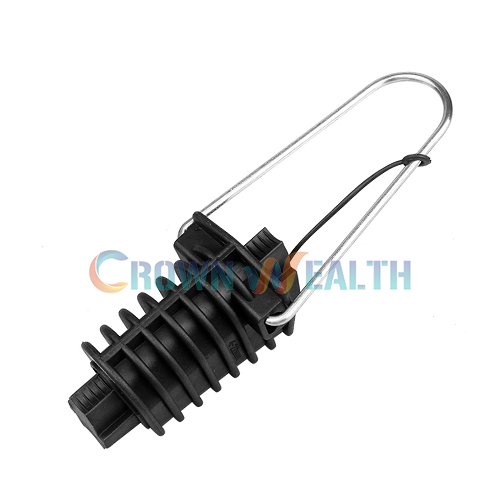
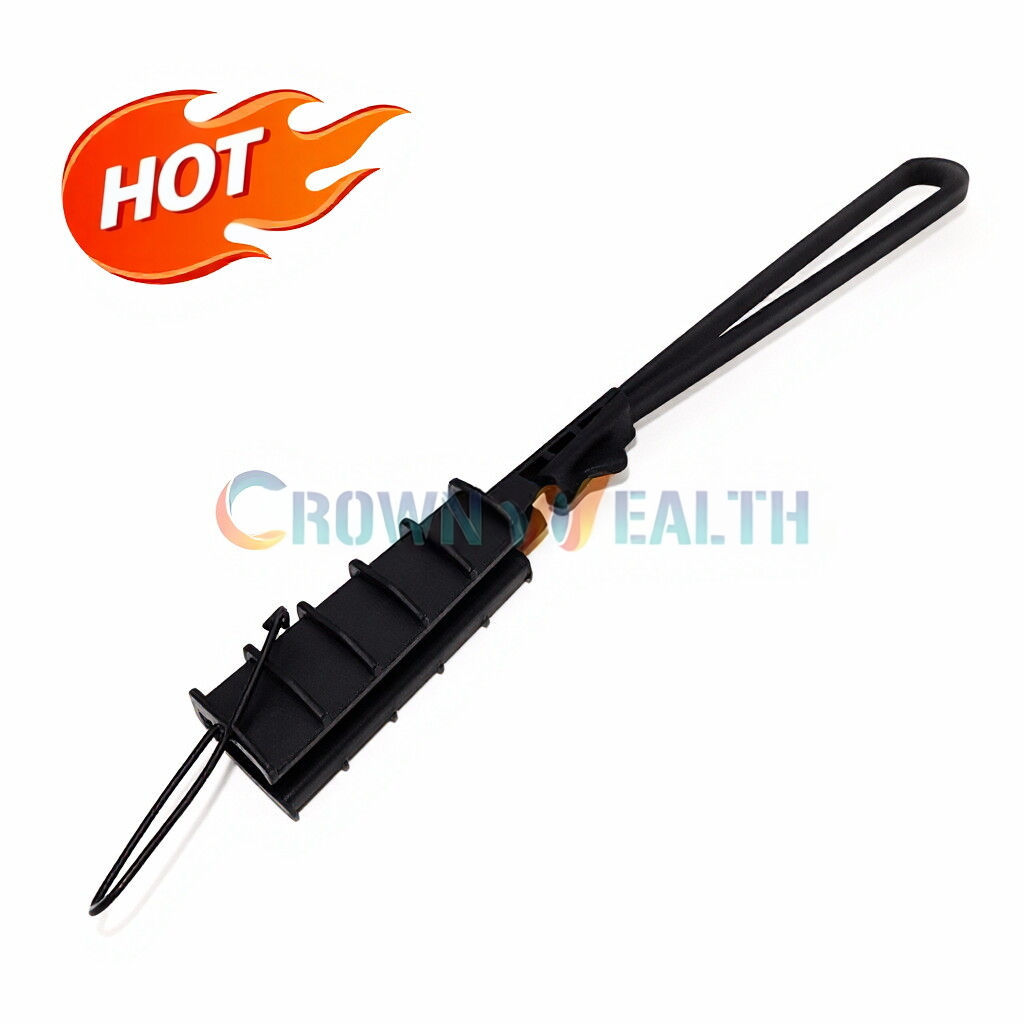
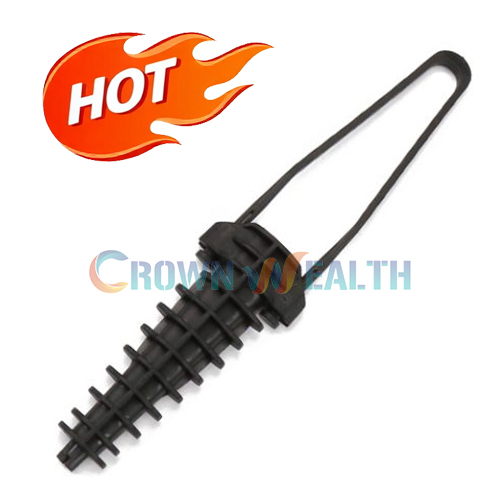
In addition to Armor Rods, we also offer a range of other protective fittings for overhead power lines, including Helical Guy Grips, Helical Spiral Vibration Damper, and Cable Guy Grips. These fittings work together to provide comprehensive protection for the conductor, ensuring its long-term reliability and performance.
Helical Guy Grips are used to secure guy wires to the tower or pole, providing additional support and stability. They are designed to withstand high loads and are available in a variety of sizes and configurations to meet the specific requirements of each project.
Helical Spiral Vibration Dampers are used to reduce the amplitude of wind-induced vibration in the conductor, preventing fatigue and failure. They are installed on the conductor at regular intervals and work by dissipating the energy of the vibration.
Cable Guy Grips are used to secure the cable to the tower or pole, providing additional support and preventing the cable from sagging or breaking. They are available in a variety of sizes and configurations to meet the specific requirements of each project.
Conclusion
In conclusion, Armor Rods are highly resistant to wear and tear, thanks to their high-strength materials and helical design. They provide effective protection for the conductor, reducing the risk of mechanical damage, vibration, and corrosion. Real-world examples have shown that Armor Rods can significantly extend the lifespan of the conductor, ensuring its long-term reliability and performance.
If you're in the market for Armor Rods or other protective fittings for your overhead power line project, I encourage you to contact us to discuss your specific requirements. Our team of experts will be happy to provide you with more information and help you choose the right products for your project.
References
- IEEE Standard for Overhead Transmission Line Structural Loading (IEEE Std 738-2012)
- CIGRE Brochure 529: Guidelines for the Design and Operation of Overhead Transmission Lines in Severe Ice and Wind Conditions
- International Electrotechnical Commission (IEC) Standard 61284: Fittings for overhead power lines - General requirements and tests