Hey there! I'm a supplier of Double Yoke Plates, and I get asked all the time, "How do I choose the right Double Yoke Plates for my project?" Well, you've come to the right place. In this blog, I'll walk you through the key factors to consider when making this important decision.
Understand Your Project Requirements
First things first, you need to have a clear understanding of your project requirements. What's the purpose of the Double Yoke Plates? Are they going to be used in a heavy - duty industrial setting, or is it for a more lightweight application like a small - scale machinery?
For example, if you're working on a large construction project where the Double Yoke Plates will be part of a load - bearing structure, you'll need plates that can handle significant stress and weight. On the other hand, if it's for a DIY home project, you might not need the same level of strength.
Think about the environment in which the plates will be used. Is it a corrosive environment, like near the ocean or in a chemical plant? If so, you'll want plates that are made from materials resistant to corrosion. Stainless steel is a great option in these cases. But if the environment is dry and clean, regular carbon steel might do the job just fine.
Consider the Material
The material of the Double Yoke Plates is crucial. As I mentioned earlier, stainless steel is a top choice for corrosive environments. It's strong, durable, and won't rust easily. However, it can be more expensive than other materials.
Carbon steel is another common option. It's strong and relatively inexpensive, making it a popular choice for many projects. But it does require some form of protection against rust, like painting or galvanizing.


There are also alloy steels available. These steels are made by adding other elements to carbon steel, which can enhance their properties. For example, adding chromium can increase the steel's hardness and corrosion resistance. Alloy steels are often used in high - performance applications where strength and durability are of utmost importance.
Look at the Size and Dimensions
Size matters when it comes to Double Yoke Plates. You need to make sure the plates you choose fit your project. Measure the space where the plates will be installed and determine the appropriate length, width, and thickness.
The thickness of the plates is especially important. Thicker plates are generally stronger and can handle more weight, but they can also be heavier and more expensive. You need to find the right balance between strength and cost.
Also, pay attention to the hole sizes and spacing on the plates. These holes are used for connecting the plates to other components, so they need to match the bolts or pins you'll be using.
Check the Quality and Certification
Quality is non - negotiable. You don't want to end up with sub - standard Double Yoke Plates that could fail under stress. Look for plates that are made by reputable manufacturers. They usually have strict quality control measures in place to ensure the plates meet industry standards.
Certification is also a good indicator of quality. Plates that are certified to meet certain standards, like ISO or ASTM standards, have been tested and verified to have the required properties. This gives you peace of mind knowing that you're getting a reliable product.
Compatibility with Other Components
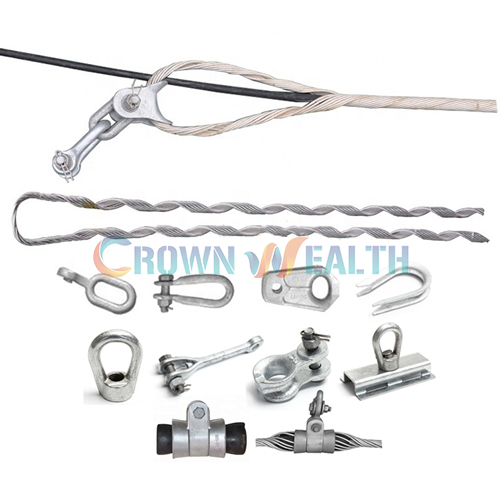
Double Yoke Plates are often used in conjunction with other components, like Ring Monoblock Forging, UB - Type Clevis, or HDG Anchor Shackle. You need to make sure the plates are compatible with these other components.
Check the connection methods and make sure they are compatible. For example, if you're using bolts to connect the plates to other components, make sure the hole sizes and thread types match.
Cost - Benefit Analysis
Finally, you need to do a cost - benefit analysis. While it's important to get high - quality Double Yoke Plates, you also don't want to overspend. Compare the prices of different plates from various suppliers, but don't just focus on the price. Consider the quality, material, and features of the plates as well.
Sometimes, spending a little more upfront on a better - quality plate can save you money in the long run. You won't have to worry about frequent replacements or repairs, which can be costly and time - consuming.
Conclusion
Choosing the right Double Yoke Plates for your project is a multi - step process. You need to understand your project requirements, consider the material, size, quality, compatibility, and do a cost - benefit analysis. By taking the time to make an informed decision, you can ensure that your project runs smoothly and safely.
If you're still not sure which Double Yoke Plates are right for you, don't hesitate to reach out. As a supplier, I'm here to help you find the perfect plates for your project. We can have a detailed discussion about your needs and I can offer you professional advice. Whether you're a large - scale contractor or a DIY enthusiast, we have the right solutions for you. Let's start the conversation and get your project on the right track!
References
- "Materials Science and Engineering" textbooks for information on different steel materials.
- Industry standards documents such as ISO and ASTM for quality and performance requirements.