Hey there! As a link fitting supplier, I often get asked the question: "Can link fitting withstand high pressure?" Well, let's dive right into this topic and find out.
First off, what exactly are link fittings? Link fittings are those small but mighty components that play a crucial role in various industries. They're used to connect different parts together, ensuring that everything stays in place and functions smoothly. Whether it's in construction, machinery, or even in some home - improvement projects, link fittings are everywhere.
Now, when it comes to high - pressure situations, it's important to understand that not all link fittings are created equal. Some are designed specifically to handle high - pressure environments, while others are more suitable for low - pressure or normal - pressure applications.


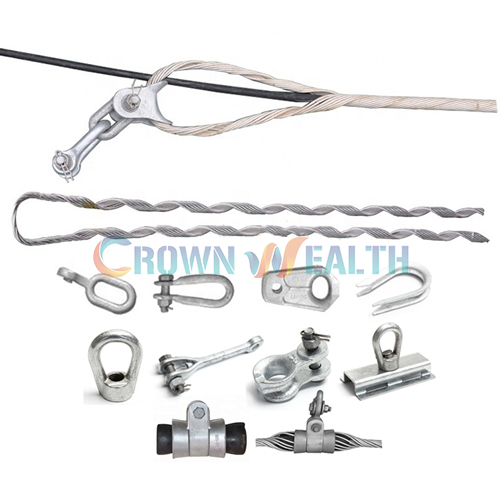
Let's talk about the materials used in link fittings. One of the most common materials is steel. Steel link fittings are known for their strength and durability. They can withstand a fair amount of pressure, especially if they're made from high - quality steel. For example, our Hot Dip Galvanized U Bolt is made from high - grade steel and then hot - dip galvanized. This process not only gives it a protective layer against corrosion but also enhances its strength, making it capable of handling relatively high pressure.
Another important factor is the design of the link fitting. A well - designed link fitting will distribute the pressure evenly across its structure. This means that no single point on the fitting will bear the brunt of the pressure, reducing the risk of failure. For instance, our HDG Extension Rod has a carefully engineered design that allows it to handle high - pressure loads in a stable manner. The shape and dimensions are optimized to ensure that the pressure is spread out effectively.
But how do we test if a link fitting can withstand high pressure? Well, we use a variety of testing methods. One common method is hydraulic testing. In this test, we subject the link fitting to a controlled amount of hydraulic pressure and monitor its performance. We check for any signs of deformation, leakage, or other forms of failure. If the fitting passes the test within the specified pressure limits, it means it's capable of withstanding high pressure in real - world applications.
It's also worth mentioning that the environment in which the link fitting operates can have an impact on its ability to withstand high pressure. For example, if the fitting is exposed to extreme temperatures, chemicals, or abrasive materials, it may affect its structural integrity. That's why we offer different types of coatings and treatments for our link fittings. Take our Hot Dip Galvanized Extension Ring, the hot - dip galvanized coating provides an extra layer of protection against harsh environmental conditions, ensuring that it can still perform well under high pressure.
In some industries, like oil and gas or aerospace, the requirements for link fittings to withstand high pressure are extremely strict. These industries often have their own set of standards and regulations that link fitting suppliers must comply with. We make sure that all our products meet or exceed these standards. We have a team of experts who are constantly working on improving our products to ensure they can handle the most demanding high - pressure situations.
Now, let's talk about the limitations. Even the best - designed and highest - quality link fittings have their limits. There's a maximum pressure that any fitting can withstand, and if this limit is exceeded, the fitting will fail. That's why it's crucial for customers to accurately assess the pressure requirements of their applications and choose the right link fitting accordingly.
We also offer customization services. If you have a unique high - pressure application that requires a specific type of link fitting, we can work with you to design and manufacture a custom - made solution. Our team will take into account all the factors, such as the pressure level, environmental conditions, and the specific requirements of your project, to create a link fitting that meets your needs perfectly.
In conclusion, link fittings can indeed withstand high pressure, but it depends on several factors such as the material, design, and testing. As a link fitting supplier, we're committed to providing our customers with high - quality products that can handle the toughest high - pressure situations. If you're in need of link fittings for a high - pressure application, don't hesitate to reach out to us. We're here to help you find the right solution and ensure the success of your project.
If you have any questions or want to discuss your specific requirements, feel free to contact us. We're always happy to have a chat and work together to meet your needs.
References
- "Materials Science and Engineering" by William D. Callister
- "Mechanical Design Handbook" by Robert C. Juvinall and Kurt M. Marshek