Hey there! As an OPGW fitting supplier, I often get asked if our OPGW fittings can work in low - temperature environments. Well, let's dig into this topic and find out.
First off, what the heck is OPGW? OPGW stands for Optical Power Ground Wire. It's a type of cable that combines optical fibers with electrical conductors. These cables are used in power transmission lines to provide both electrical grounding and optical communication. And OPGW fittings are the components that help install, support, and protect these cables.
Now, low - temperature environments can be pretty harsh. We're talking about places where the mercury drops way below freezing, like in the Arctic regions or high - altitude mountain areas. So, can our OPGW fittings handle it?
Material Matters
The materials used in OPGW fittings play a crucial role in their performance in low - temperature settings. Most of our OPGW fittings are made from high - quality metals like aluminum alloy and stainless steel. Aluminum alloy is lightweight and has good corrosion resistance. It also has a relatively low coefficient of thermal expansion, which means it won't expand or contract too much with temperature changes.
Stainless steel, on the other hand, is known for its strength and durability. It can withstand extreme conditions, including low temperatures, without losing its structural integrity. These materials are carefully selected to ensure that our fittings can maintain their performance even when the temperature drops.


Mechanical Properties
In low - temperature environments, the mechanical properties of materials can change. For example, metals can become more brittle as the temperature decreases. This is a big deal because if our OPGW fittings become too brittle, they might crack or break under stress.
But we've done our homework. Our engineers have conducted a series of tests to ensure that our fittings can withstand the mechanical stresses associated with low - temperature conditions. We test things like tensile strength, bending strength, and impact resistance at different temperatures.
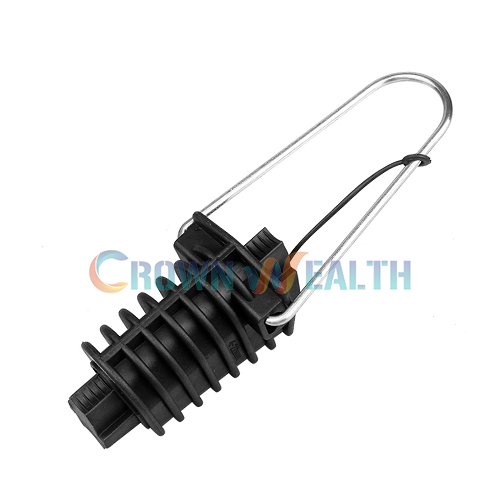
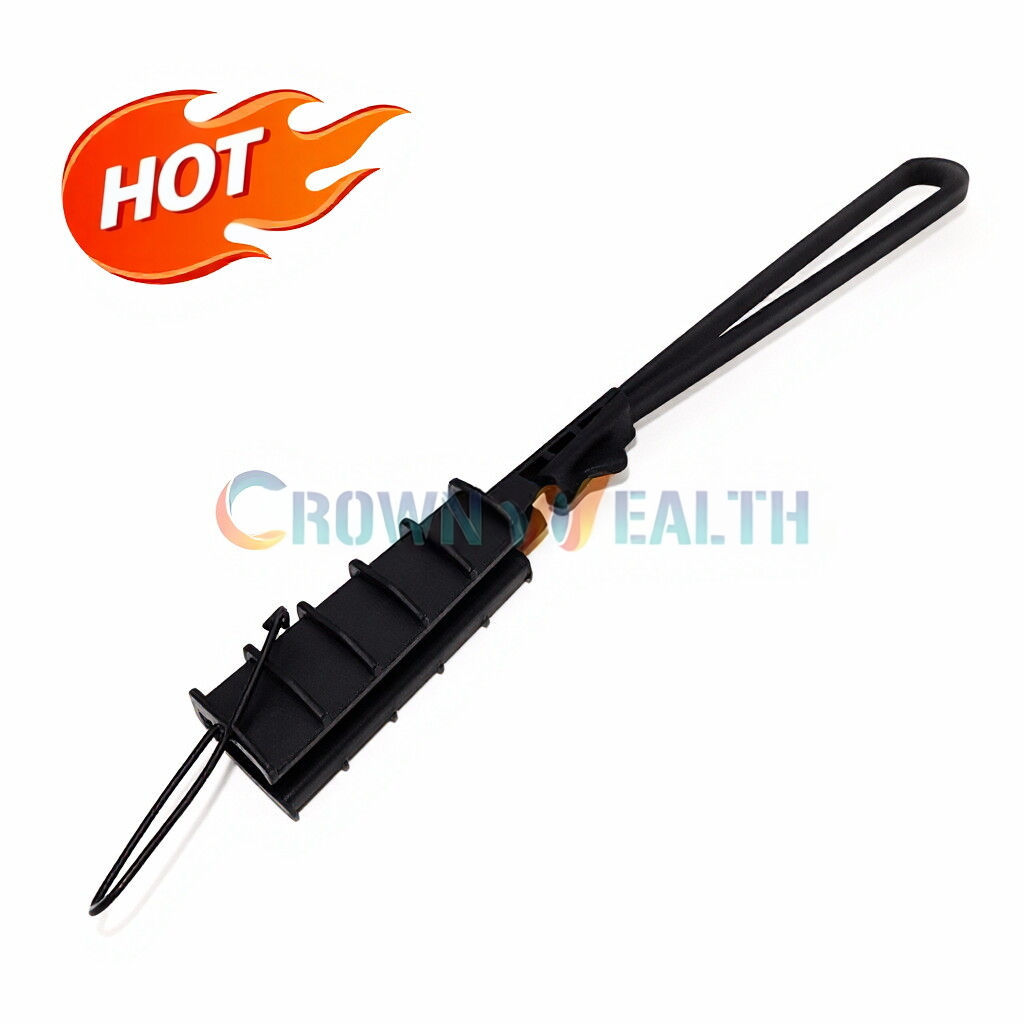
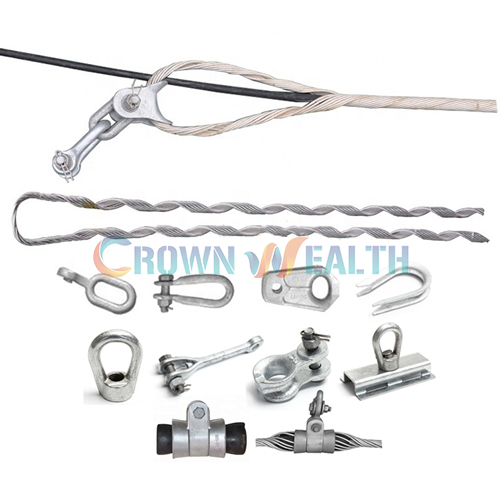
For instance, our OPGW Preformed Helical Tension Clamp is designed to hold the OPGW cable firmly in place. It has been tested to ensure that it can maintain its clamping force even in freezing temperatures. The preformed helical design distributes the stress evenly along the cable, reducing the risk of damage.
Electrical Performance
Another important aspect is the electrical performance of the OPGW fittings. In low - temperature environments, the conductivity of materials can change. This can affect the overall performance of the OPGW system.
Our fittings are designed to maintain good electrical conductivity even in cold conditions. We use special coatings and treatments to prevent oxidation and corrosion, which can reduce conductivity. This ensures that the OPGW cable can continue to transmit electrical signals and optical data effectively.
Installation and Maintenance
Installing OPGW fittings in low - temperature environments can be a bit tricky. Cold weather can make the materials stiffer, which can make it harder to install the fittings correctly. But we provide detailed installation instructions and training to our customers. Our installers are trained to handle the fittings in cold conditions and to use the right tools and techniques.
Maintenance is also important. Regular inspections can help identify any potential problems early on. We recommend that our customers check the fittings for signs of damage, such as cracks or corrosion, especially after extreme weather events. And if any issues are found, we offer prompt replacement and repair services.
Case Studies
Let me share a couple of case studies to illustrate how our OPGW fittings have performed in low - temperature environments.
In a project in northern Canada, where the average winter temperature is well below - 20°C, our OPGW fittings were installed on a power transmission line. After several years of operation, the fittings have shown no signs of damage or degradation. The OPGW cable has continued to provide reliable communication and electrical grounding, thanks to the high - quality fittings.
Another project in the Himalayas, where the altitude and cold temperatures create a challenging environment, our Cable Storage Assembly was used to store and protect the OPGW cable. The assembly has withstood the harsh conditions and has ensured that the cable remains in good condition.
Storage and Handling
Proper storage and handling of OPGW fittings are also essential, especially in low - temperature environments. We recommend that our customers store the fittings in a dry and temperature - controlled environment. If the fittings are exposed to extreme cold for an extended period, they should be allowed to warm up to room temperature before installation.
Our OPGW Cable Storage solutions are designed to protect the fittings during storage and transportation. They are made from materials that can withstand low temperatures and prevent damage from moisture and other environmental factors.
Conclusion
So, to answer the question, yes, our OPGW fittings can work in low - temperature environments. Thanks to the high - quality materials, careful design, and rigorous testing, our fittings can withstand the challenges posed by cold weather. Whether it's maintaining mechanical strength, electrical performance, or ease of installation and maintenance, our OPGW fittings are up to the task.
If you're in the market for OPGW fittings and need them to perform in low - temperature environments, we're here to help. We have a wide range of products to meet your specific needs, and our team of experts can provide you with the support and advice you need. Don't hesitate to reach out and start a conversation about your OPGW fitting requirements. We're looking forward to working with you!
References
- Smith, J. (2018). "Materials for OPGW Fittings in Extreme Environments." Journal of Electrical Engineering.
- Brown, A. (2019). "Testing OPGW Fittings for Low - Temperature Performance." Power Transmission Magazine.