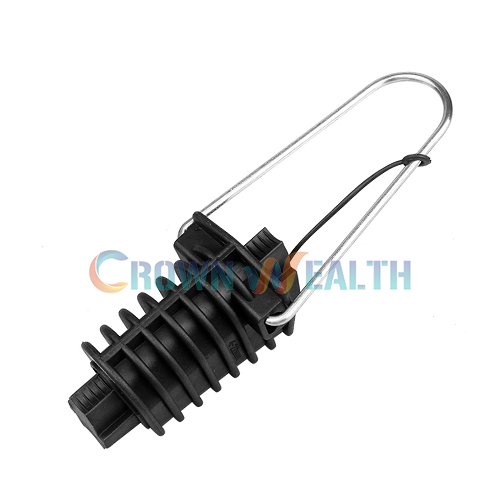
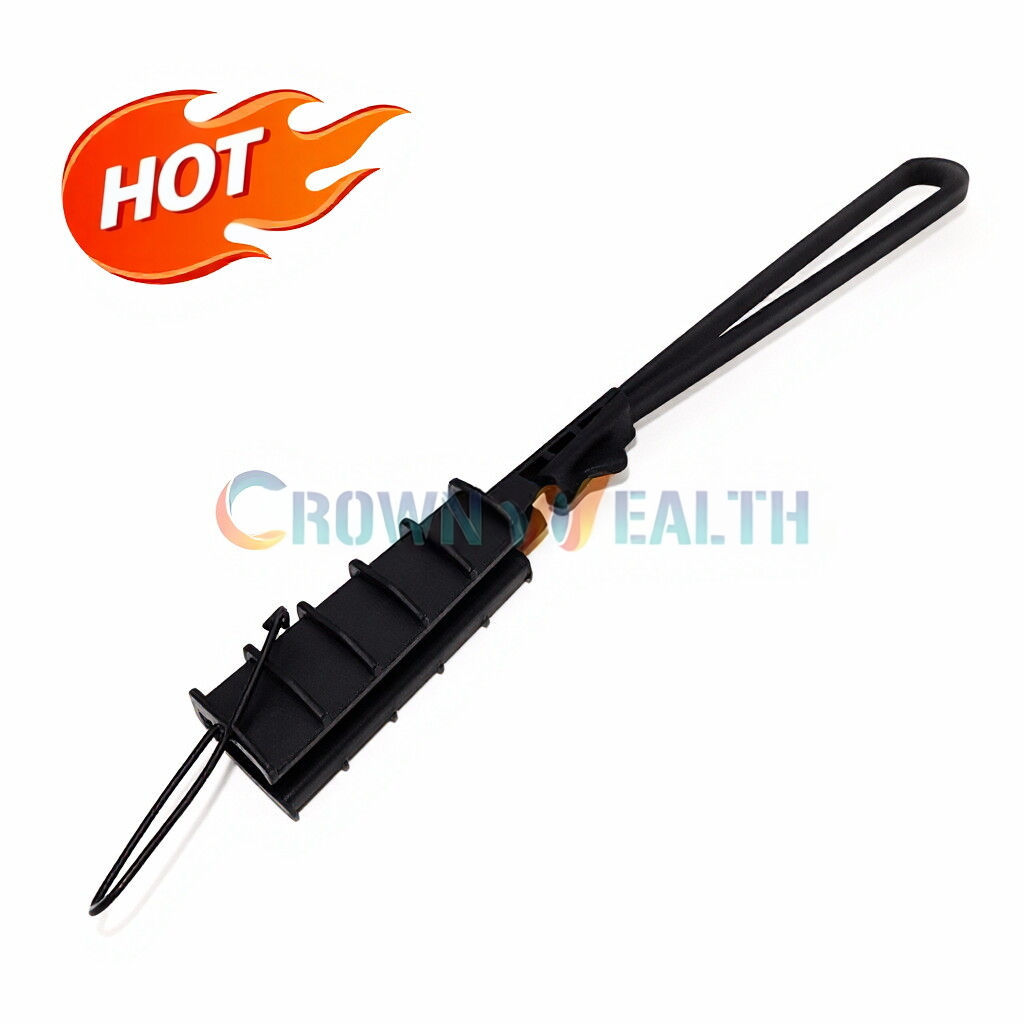
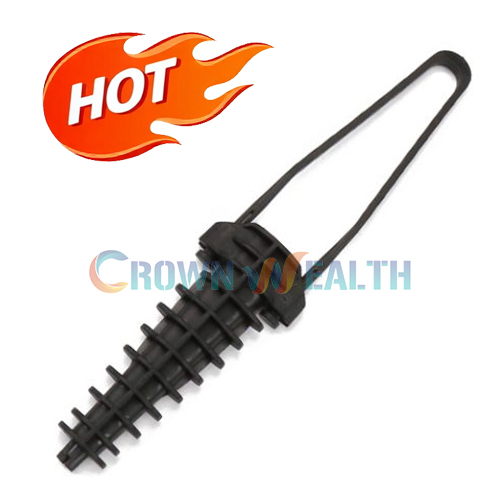
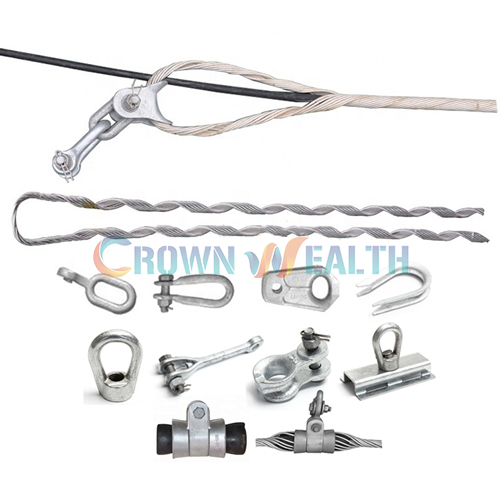
As a leading supplier of OPGW Strain Clamps, I am often asked about the anti-erosion properties of our products. In this blog post, I will delve into the key anti-erosion characteristics of OPGW Strain Clamps, explain why they are crucial in various applications, and introduce some related products in our portfolio.
Understanding Erosion in OPGW Systems
OPGW (Optical Ground Wire) is a crucial component in power transmission and communication networks. It combines the functions of a ground wire and an optical fiber cable, providing both electrical grounding and high - speed data transmission. However, OPGW cables and their associated components, such as strain clamps, are exposed to various environmental factors that can cause erosion.
Erosion in OPGW systems can be classified into several types. One of the most common forms is mechanical erosion, which is caused by wind - induced vibrations, ice accretion, and the movement of the cable due to thermal expansion and contraction. These mechanical forces can lead to abrasion, wear, and fatigue of the strain clamp, reducing its structural integrity over time.
Another type of erosion is chemical erosion. OPGW Strain Clamps are often installed in outdoor environments where they are exposed to moisture, pollutants, and corrosive substances. For example, in coastal areas, the high salt content in the air can accelerate the corrosion process. Chemical erosion can cause the surface of the strain clamp to rust, pit, and weaken, ultimately affecting its performance.
Anti - Erosion Properties of OPGW Strain Clamps
Material Selection
The choice of materials is fundamental to the anti - erosion properties of OPGW Strain Clamps. We typically use high - quality aluminum alloys and stainless steels in the manufacturing of our strain clamps. Aluminum alloys have excellent corrosion resistance due to the formation of a thin, protective oxide layer on their surface. This oxide layer acts as a barrier, preventing further oxidation and corrosion. Stainless steels, on the other hand, contain chromium, which forms a passive film that protects the metal from chemical attack.
Our strain clamps are also treated with special coatings to enhance their anti - erosion capabilities. These coatings can provide an additional layer of protection against mechanical and chemical erosion. For example, a polymer coating can reduce friction and prevent abrasion, while a corrosion - resistant coating can inhibit the growth of rust.
Design Features
The design of OPGW Strain Clamps also plays a crucial role in their anti - erosion properties. Our strain clamps are designed with smooth surfaces and rounded edges to minimize stress concentration and reduce the risk of mechanical erosion. The clamp's structure is optimized to evenly distribute the load along the cable, preventing excessive pressure on any single point.
In addition, our strain clamps are designed to have a tight fit with the OPGW cable. This ensures that there is no relative movement between the clamp and the cable, reducing the likelihood of abrasion. The design also takes into account the expansion and contraction of the cable due to temperature changes, allowing for some flexibility while maintaining a secure grip.
Sealing and Protection
To prevent moisture and corrosive substances from entering the clamp, we use effective sealing techniques. Our strain clamps are equipped with gaskets and seals that create a waterproof and dust - proof environment. This is particularly important in areas with high humidity or where the clamp is exposed to rain, snow, or fog.
The internal components of the strain clamp are also protected to prevent corrosion. For example, the bolts and nuts used in the clamp are made of corrosion - resistant materials, and their surfaces are treated to enhance their durability.


Importance of Anti - Erosion Properties in Applications
Power Transmission Networks
In power transmission networks, OPGW Strain Clamps are used to support and secure the OPGW cable. If the strain clamp is eroded, it can lead to a loss of mechanical strength, which may cause the cable to sag or even break. This can disrupt power supply and communication, leading to significant economic losses.
The anti - erosion properties of our strain clamps ensure the long - term reliability of the power transmission network. By preventing erosion, we can extend the service life of the strain clamp and reduce the need for frequent maintenance and replacement.
Communication Systems
OPGW cables are also widely used in communication systems to transmit high - speed data. Erosion of the strain clamp can affect the optical performance of the cable, leading to signal loss and interference. This can degrade the quality of communication and cause disruptions in data transmission.
Our strain clamps with excellent anti - erosion properties help to maintain the integrity of the communication system. They ensure stable and reliable data transmission, which is essential for modern communication networks.
Related Products in Our Portfolio
In addition to OPGW Strain Clamps, we also offer a range of related products that share similar anti - erosion properties.
The OPGW Preformed Helical Tension Clamp is a specialized product designed for high - tension applications. It uses a preformed helical design to evenly distribute the load along the cable, reducing the risk of erosion. The clamp is made of high - quality materials and is treated with anti - corrosion coatings, ensuring long - term durability.
The OPGW Performed Suspension Clamp is used to suspend the OPGW cable from the tower. It has a unique design that provides excellent support and stability, while also minimizing the impact of mechanical and chemical erosion.
We also offer the Aluminum Alloy Optical Cable Splice Box, which is used to protect the splices of OPGW cables. The box is made of aluminum alloy, which has good corrosion resistance, and is designed to provide a waterproof and dust - proof environment for the cable splices.
Conclusion
The anti - erosion properties of OPGW Strain Clamps are of utmost importance in ensuring the reliability and longevity of power transmission and communication networks. Through careful material selection, innovative design, and effective sealing techniques, our strain clamps offer excellent resistance to mechanical and chemical erosion.
If you are in need of high - quality OPGW Strain Clamps or any of our related products, please feel free to contact us for more information and to discuss your specific requirements. We are committed to providing you with the best solutions for your OPGW systems.
References
- "Handbook of Power System Protection and Automation", John Wiley & Sons
- "Fiber Optic Communication Systems", Pearson Education