Armor rods are an essential component in various industries, especially in the electrical and telecommunications sectors. As a supplier of armor rods, I have witnessed firsthand the effectiveness and unique advantages of these protective devices compared to other alternatives. In this blog post, I will delve into a detailed comparison of armor rods with other protective devices, highlighting their features, benefits, and applications.

Understanding Armor Rods
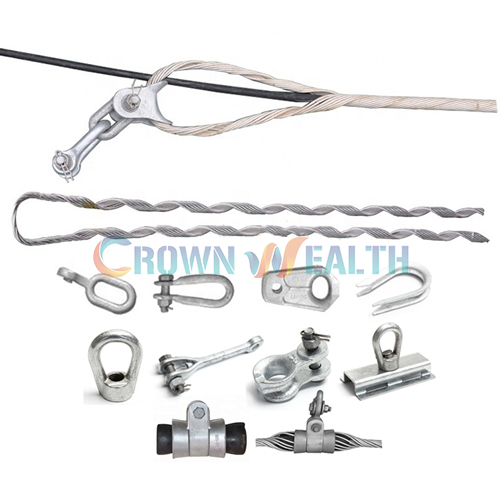
Armor rods are pre - formed helical wires that are wrapped around cables or conductors to provide mechanical protection. They are typically made from high - strength materials such as aluminum alloy or steel. The helical design allows them to conform to the shape of the cable, distributing stress evenly along the length of the protected area. This helps prevent damage from external forces such as abrasion, bending, and vibration.
Comparison with Other Protective Devices
1. Comparison with Hot Dip Galvanized Dampers
Hot dip galvanized dampers are designed to reduce the vibration of overhead power lines. They work by dissipating the energy of the vibrations, thereby preventing fatigue failure of the conductors. While dampers are excellent at dealing with vibration issues, their functionality is limited to vibration control.
Armor rods, on the other hand, offer more comprehensive protection. In addition to providing some degree of vibration damping, armor rods can protect cables from physical damage caused by contact with other objects, such as tree branches or birds' nests. They also enhance the bending resistance of the cables, which is crucial in areas with high wind or where the cables are subject to sharp bends.
For example, in a coastal area with strong winds, hot dip galvanized dampers can reduce the vibration of the power lines. However, if the lines are also at risk of being damaged by flying debris during a storm, armor rods can provide an extra layer of protection.
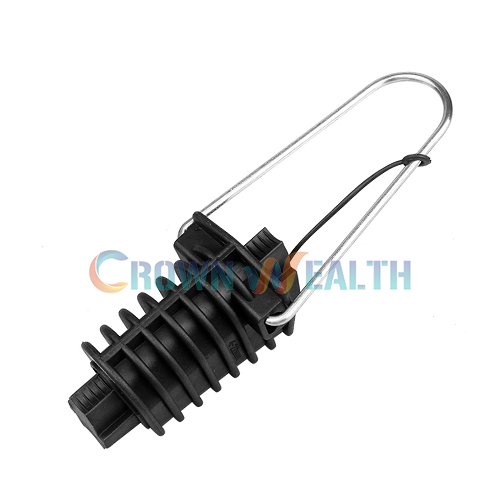
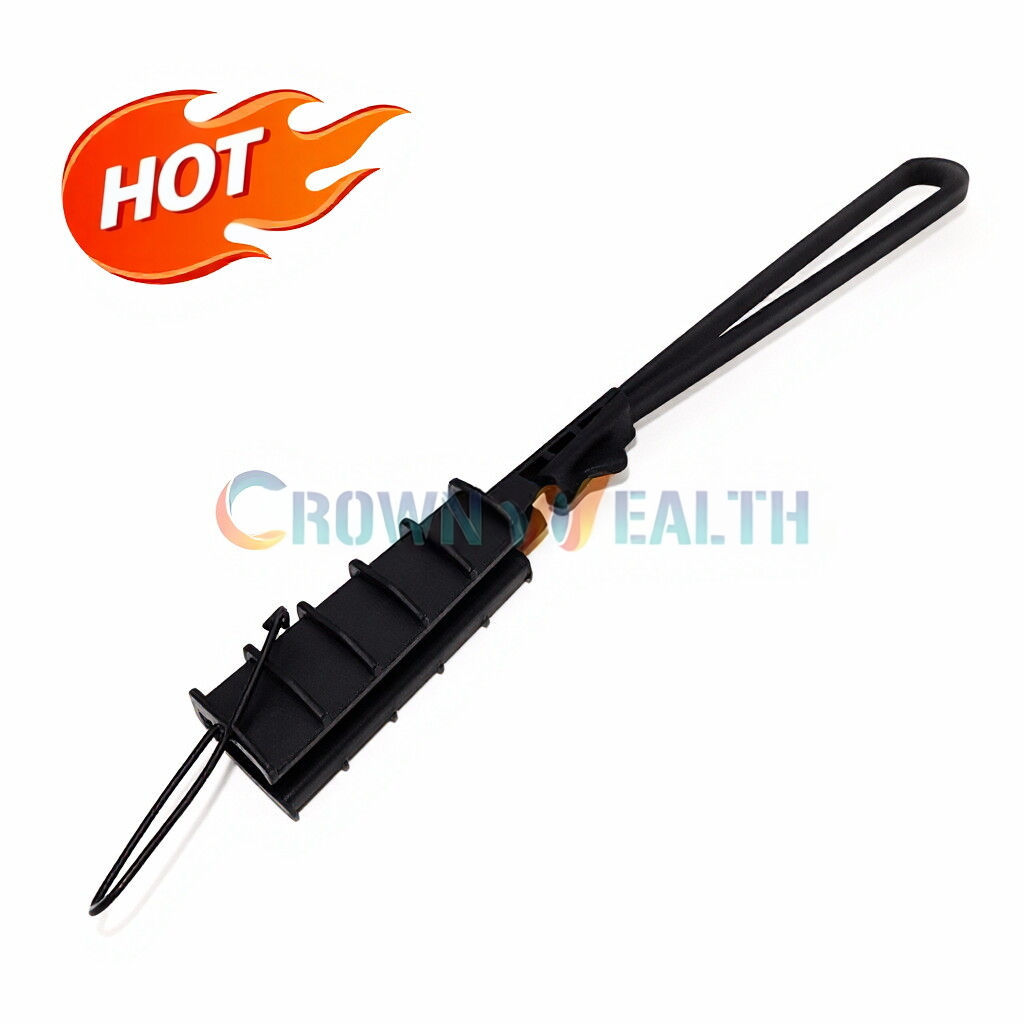
2. Comparison with Overhead Line Accessories Preformed Dead End Clamp Guy Grip for Cable
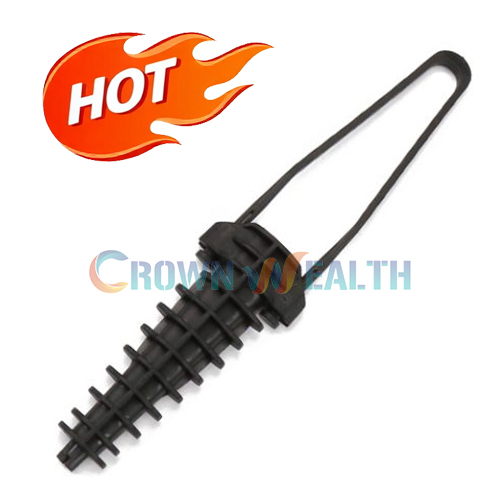
Preformed dead end clamps and guy grips are used to terminate and anchor cables securely. Their main function is to hold the cable in place at the end points, ensuring proper tension and stability.
Armor rods, in contrast, are installed along the length of the cable. They not only help in maintaining the integrity of the cable but also protect it from continuous wear and tear. For instance, in an overhead power line system, the preformed dead end clamp will hold the cable at the tower, while armor rods can protect the cable from abrasion as it sways in the wind or comes into contact with other structures.
Moreover, armor rods can be used in combination with dead end clamps. The armor rods can protect the cable near the clamp area, reducing the stress concentration that might occur due to the clamping force, thus extending the service life of both the cable and the clamp.

3. Comparison with Helical Guy Grips
Helical guy grips are used to secure guy wires to towers or other structures. They provide a strong and reliable connection, preventing the guy wires from slipping or coming loose.
Armor rods, while also having a helical shape, are used for cable protection rather than for securing guy wires. They can be installed on various types of cables, including power cables, communication cables, and optical fibers. The helical design of armor rods helps distribute the load evenly along the cable, reducing the risk of localized damage.
In a scenario where a communication tower has multiple cables running from it, helical guy grips will be used to secure the guy wires that support the tower. Meanwhile, armor rods can be installed on the communication cables to protect them from environmental factors and physical impacts.
Advantages of Armor Rods
1. Flexibility and Adaptability
Armor rods can be easily installed on cables of different diameters and shapes. Their pre - formed helical design allows them to be wrapped around the cable quickly and efficiently, without the need for complex tools or equipment. This makes them suitable for a wide range of applications, from small - scale telecommunications projects to large - scale power transmission systems.
2. Cost - Effectiveness
Compared to some other protective devices, armor rods are relatively inexpensive. They offer a high level of protection at a lower cost, making them an attractive option for budget - conscious projects. Additionally, their long service life means that the overall cost of ownership is reduced, as they do not need to be replaced frequently.
3. Enhanced Cable Life
By protecting the cable from damage, armor rods can significantly extend the service life of the cable. This is particularly important in industries where cable replacement can be time - consuming and expensive, such as the power and telecommunications sectors.
Applications of Armor Rods
1. Power Transmission and Distribution
In power transmission and distribution systems, armor rods are used to protect overhead power lines from various environmental factors. They can prevent damage caused by wind, ice, and mechanical impacts, ensuring the reliable operation of the power grid.
2. Telecommunications
Telecommunication cables, both underground and overhead, are often exposed to harsh conditions. Armor rods can protect these cables from damage, ensuring uninterrupted communication services.
3. Marine and Offshore Applications
In marine and offshore environments, cables are subject to saltwater corrosion, strong currents, and mechanical stress. Armor rods can provide protection against these factors, making them suitable for use in offshore wind farms, oil rigs, and other marine installations.

Conclusion
In conclusion, armor rods offer a unique combination of features and benefits that make them a superior choice compared to many other protective devices. Their ability to provide comprehensive protection, flexibility, cost - effectiveness, and enhanced cable life makes them an ideal solution for a wide range of applications.
If you are in need of high - quality armor rods or would like to discuss your specific protection requirements, I invite you to contact me for a detailed consultation. We can work together to find the best solution for your project.

References
- Electrical Transmission and Distribution Reference Book. General Electric Company.
- Handbook of Telecommunications Cable Engineering. McGraw - Hill.
- Marine Cable Technology and Applications. Elsevier.