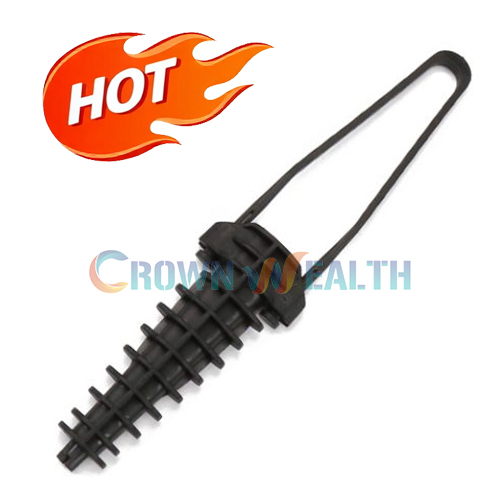
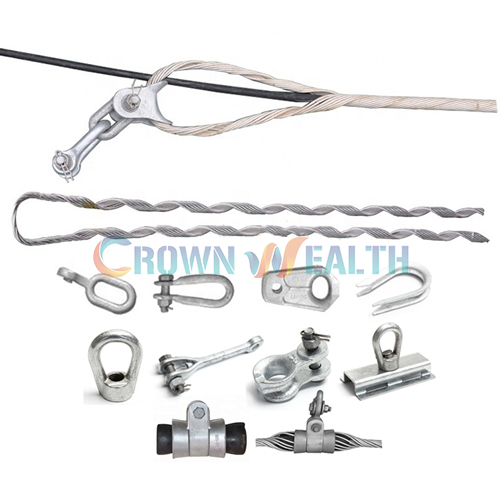
Hey there! As a supplier of OPGW Strain Clamps, I often get asked about the anti - salt - fog performance of these clamps. So, let's dig into this topic and understand what it really means.
What is Salt - Fog and Why Does it Matter?
Salt - fog is a combination of tiny salt particles and water droplets in the air, usually found in coastal areas or places near industrial sites that deal with salt. It's a real pain in the neck for a lot of outdoor equipment. When salt - fog comes into contact with metal components, it can cause corrosion. Corrosion weakens the structure of the metal, reduces its lifespan, and can even lead to failures.
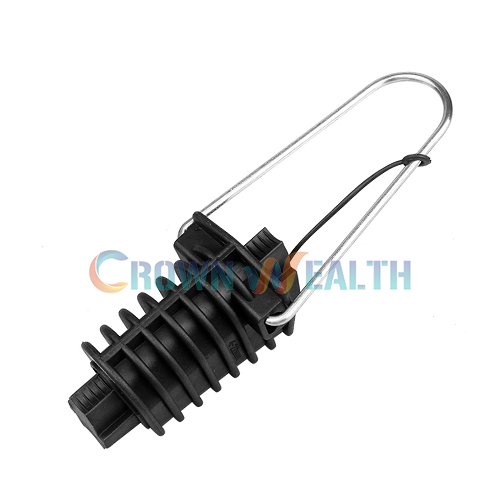
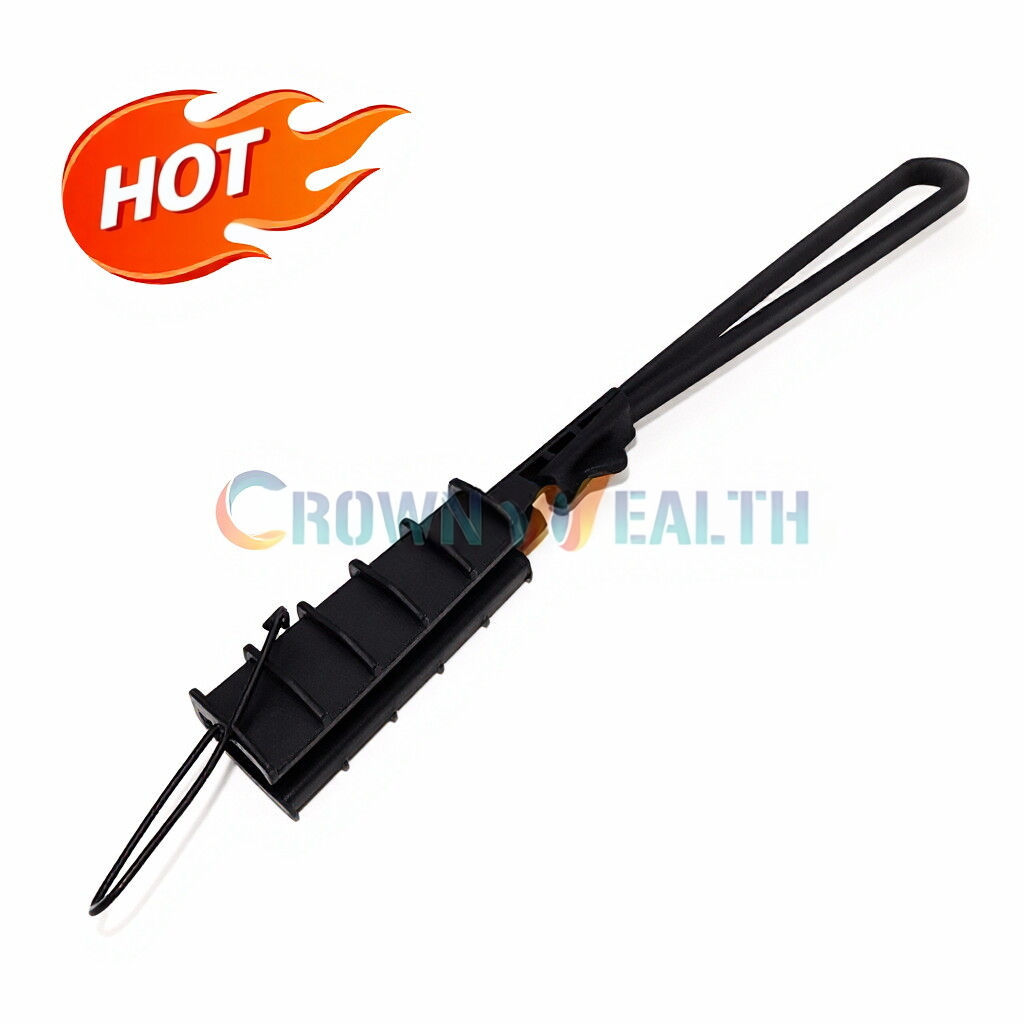
For OPGW (Optical Fiber Composite Overhead Ground Wire) Strain Clamps, which are used to secure the OPGW cables in power transmission lines, the anti - salt - fog performance is crucial. These clamps need to hold up the cables firmly over long periods, sometimes in harsh environments. If they corrode due to salt - fog, it can lead to cable loosening, which might disrupt the power transmission and communication carried by the OPGW.
How Do OPGW Strain Clamps Resist Salt - Fog?
- Material Selection
- We use high - quality materials for our OPGW Strain Clamps. For example, some of our clamps are made from special alloys that have inherent resistance to corrosion. These alloys are designed to form a protective layer on the surface when exposed to salt - fog. This layer acts as a barrier, preventing the salt particles and water from directly attacking the metal.
- Another option is using stainless steel. Stainless steel contains chromium, which forms a thin, passive oxide layer on the surface. This layer is self - healing, meaning that if it gets damaged, it can reform itself under the right conditions. This property makes stainless steel a great choice for areas with high salt - fog levels.
- Surface Treatment
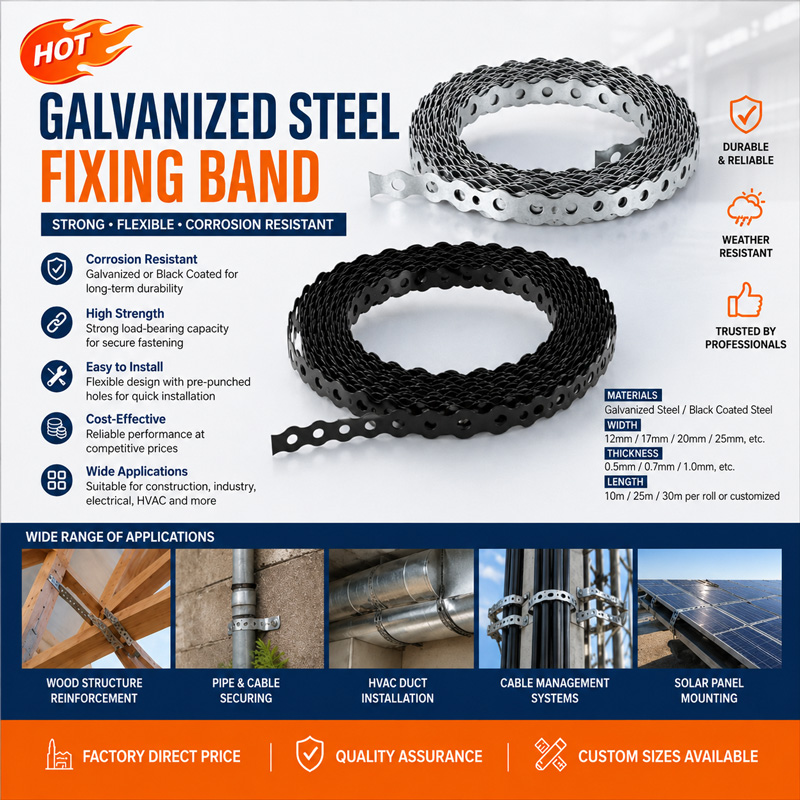
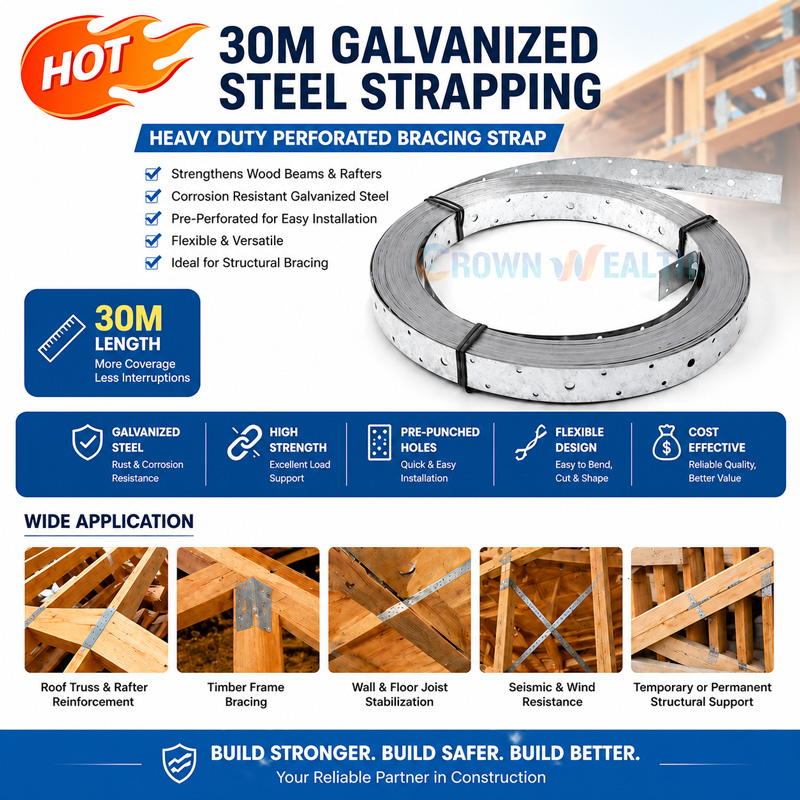
- In addition to using corrosion - resistant materials, we also apply surface treatments to enhance the anti - salt - fog performance. One common treatment is galvanizing. Galvanizing involves coating the clamp with a layer of zinc. Zinc is more reactive than the base metal of the clamp. So, when exposed to salt - fog, the zinc corrodes first, sacrificing itself to protect the underlying metal.
- We also use powder coating. Powder coating creates a thick, durable layer on the surface of the clamp. It not only provides a physical barrier against salt - fog but also has good adhesion and flexibility. This means it can withstand mechanical stress and temperature changes without cracking, which would expose the metal to corrosion.
Testing the Anti - Salt - Fog Performance
We don't just claim that our OPGW Strain Clamps have good anti - salt - fog performance; we test it. One of the most common tests is the salt - spray test. In this test, the clamps are placed in a chamber where a fine mist of saltwater is sprayed over them at a controlled temperature and humidity. The test runs for a specific period, usually several hundred hours.

After the test, we examine the clamps for signs of corrosion, such as rust spots, pitting, or loss of coating. If the clamps pass the test, it means they can withstand the equivalent of years of exposure to salt - fog in real - world conditions. This gives our customers confidence that the clamps will perform well in their applications.
Related Products and Their Anti - Salt - Fog Features
Apart from OPGW Strain Clamps, we also offer other related products, such as the Aluminum Joint Box, OPGW Preformed Tension Clamp, and Double Suspension Clamp for OPGW.

The Aluminum Joint Box is made of high - grade aluminum alloy, which has good corrosion resistance. It also has a sealed design to prevent salt - fog from entering and damaging the internal components.
The OPGW Preformed Tension Clamp is made from a combination of corrosion - resistant materials and undergoes similar surface treatments as the strain clamps. This ensures that it can withstand salt - fog and maintain its performance over time.

The Double Suspension Clamp for OPGW is designed with anti - corrosion features. Its surface is treated to resist the effects of salt - fog, and its structure is optimized to reduce the risk of corrosion in hard - to - reach areas.
Why Choose Our OPGW Strain Clamps?
- Quality Assurance: We have strict quality control measures in place. Every OPGW Strain Clamp is tested for anti - salt - fog performance and other important parameters before leaving our factory.
- Customization: We understand that different customers have different requirements. That's why we offer customization options for our clamps. Whether you need a specific size, material, or surface treatment, we can work with you to meet your needs.
- Expert Support: Our team of experts is always ready to help. If you have any questions about the anti - salt - fog performance of our clamps or need advice on which product is right for your application, we're just a call or an email away.
Contact Us for Procurement
If you're in the market for high - quality OPGW Strain Clamps or any of our other related products, we'd love to hear from you. We're confident that our products can meet your anti - salt - fog requirements and provide long - term reliability. So, don't hesitate to reach out to us for procurement and start a great business partnership!
References
- ASTM B117 - Standard Practice for Operating Salt Spray (Fog) Apparatus
- ISO 9227 - Corrosion tests in artificial atmospheres -- Salt spray tests