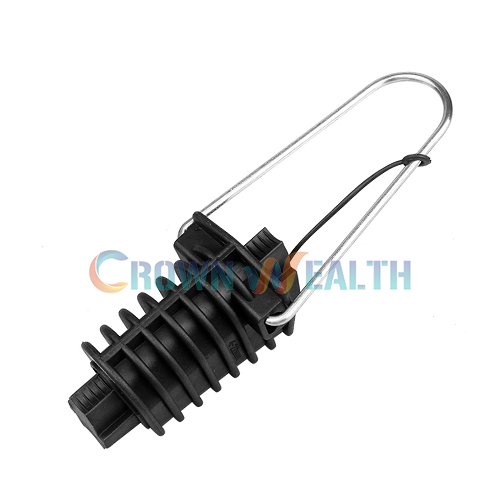
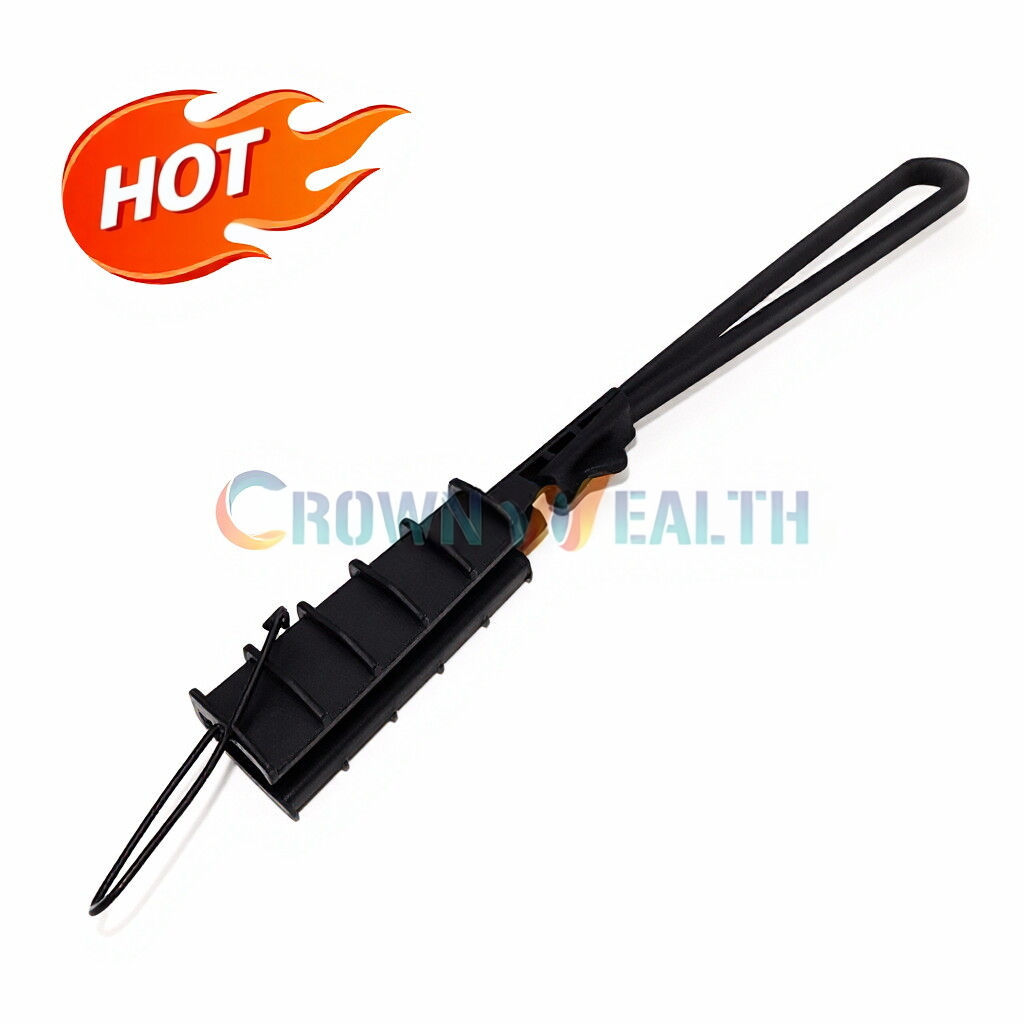
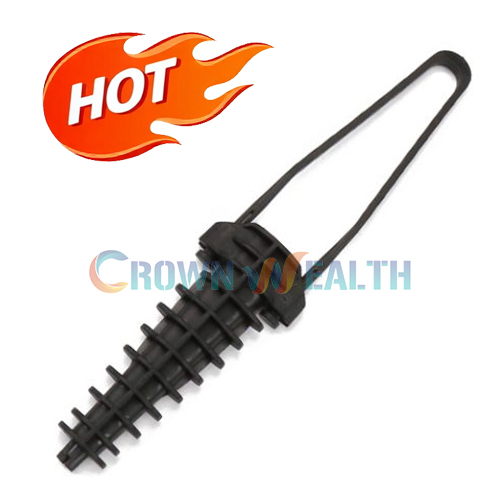
Hey there! As a supplier of Downlead Clamps, I often get asked a pretty common question: "Do downlead clamps need to be grounded?" Well, let's dig into this topic and break it down in a way that's easy to understand.

First off, let's talk about what downlead clamps are. Downlead clamps are used to secure downleads, which are the conductors that connect an overhead system (like antennas or lightning protection systems) to the ground or other electrical equipment. They play a crucial role in keeping these downleads in place and ensuring a stable connection.

Now, the big question - grounding. Grounding is the process of connecting an electrical system to the earth. It's like giving electricity a safe path to flow when there's a problem, like a lightning strike or a short - circuit. So, do downlead clamps need to be grounded?
In many cases, the answer is yes. When you're dealing with systems that are exposed to lightning or other electrical surges, grounding the downlead clamps is essential. Lightning can carry an enormous amount of electrical energy. If a lightning strike hits an antenna or a similar structure, the downlead is supposed to carry that energy safely to the ground. But if the downlead clamp isn't grounded properly, it can become a weak point in the system. The energy might not be able to flow smoothly, which could lead to damage to the equipment, or even pose a safety risk to people nearby.
Let's take a look at some practical scenarios. Imagine you have a communication tower with an antenna on top. During a thunderstorm, lightning strikes the antenna. The downlead is supposed to direct the lightning's energy to the ground. If the downlead clamp is not grounded, the energy could build up at the clamp, causing it to overheat or even melt. This could break the connection of the downlead, leaving the tower and its equipment vulnerable to further damage.
Another situation is in a building's lightning protection system. Downlead clamps are used to hold the down conductors in place. These conductors are designed to carry the lightning current safely to the ground electrodes. If the clamps aren't grounded, the lightning current might find other paths, such as through the building's electrical wiring or plumbing. This can cause electrical fires, damage to electronic devices, and endanger the lives of the people inside the building.
However, there are some cases where grounding the downlead clamps might not be necessary. For example, in low - voltage, non - lightning - prone systems. If you're using downlead clamps in a small, indoor electrical setup where the risk of electrical surges is extremely low, grounding might not be a strict requirement. But this is a rare situation, and you should always consult with an electrical engineer or an expert before deciding not to ground the clamps.
Now, let's talk about how to properly ground downlead clamps. The first step is to ensure that the ground connection is reliable. This usually involves connecting the clamp to a grounding electrode, such as a ground rod or a grounding grid. The grounding electrode should be buried deep enough in the ground to ensure good electrical contact with the earth. The connection between the clamp and the grounding electrode should be made using a suitable conductor, like a copper wire.
It's also important to regularly inspect the grounding system. Over time, the ground connection can become loose, corroded, or damaged. A loose connection can increase the resistance in the grounding path, which defeats the purpose of grounding. By inspecting the system regularly, you can catch any problems early and fix them before they cause any serious issues.
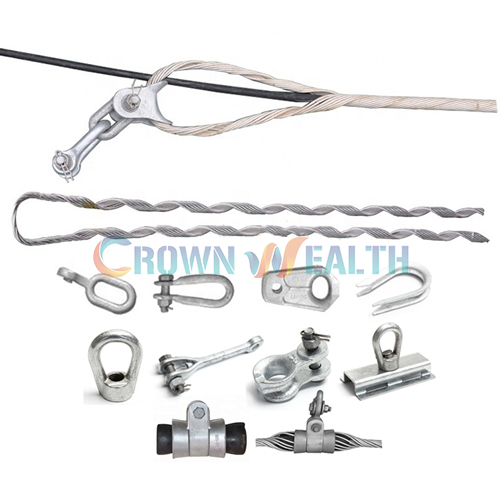
As a Downlead Clamp supplier, I offer a wide range of high - quality clamps that are suitable for different applications. Whether you need a clamp for a large communication tower or a small home electrical system, I've got you covered. And if you're looking for other related products, I also supply some great options. For example, the [Performed Helical Suspension Clamp](/fiber - optic - cable - fitting/adss - fitting/performed - helical - suspension - clamp.html) is a great choice for suspending cables in fiber - optic systems. The [Hot Dip Galvanized Cable Storage Bracket](/fiber - optic - cable - fitting/adss - fitting/hot - dip - galvanized - cable - storage - bracket.html) is perfect for storing cables in a neat and organized way. And the [Fastening Clamp for Pole Or Tower](/fiber - optic - cable - fitting/adss - fitting/fastening - clamp - for - pole - or - tower.html) is ideal for securing cables to poles or towers.

In conclusion, in most cases, downlead clamps do need to be grounded. Grounding is a crucial safety measure that helps protect your equipment and people from the dangers of electrical surges, especially lightning strikes. But always make sure to assess your specific situation and consult with an expert if you're not sure.

If you're in the market for high - quality downlead clamps or any of the related products I mentioned, don't hesitate to reach out. I'm here to help you find the right solutions for your needs. Whether you're a large - scale contractor or a DIY enthusiast, I can offer you the best products and advice. So, let's start a conversation and see how we can work together to make your electrical systems safer and more reliable.
References
- Electrical Safety Standards Handbook
- Lightning Protection System Design Guidelines