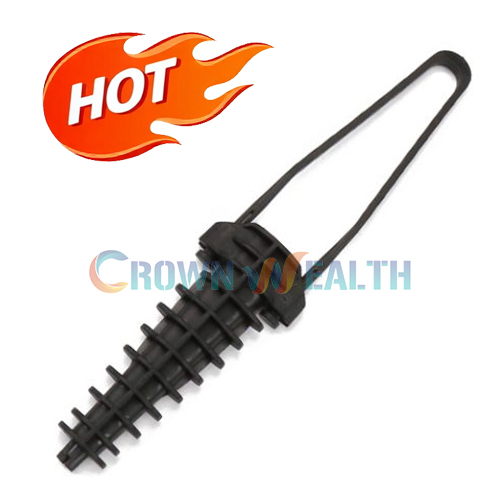
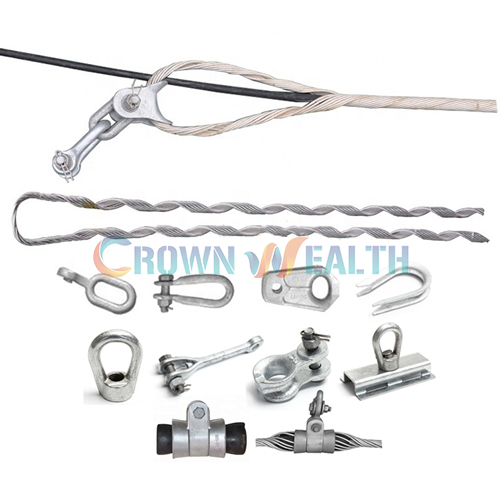
Meeting the massive electricity demands of modern civilization requires efficient long-distance transmission. While overhead lines offer a convenient solution, they expose conductors to harsh atmospheric conditions—rain, wind, ice, UV radiation, and snow accumulation. To combat these destructive elements, robust cable fittings are essential for simplifying and securing power line installations. Among these, anchor clamps play a pivotal role.
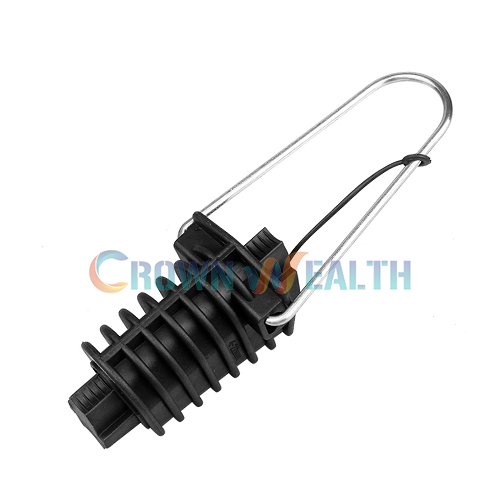
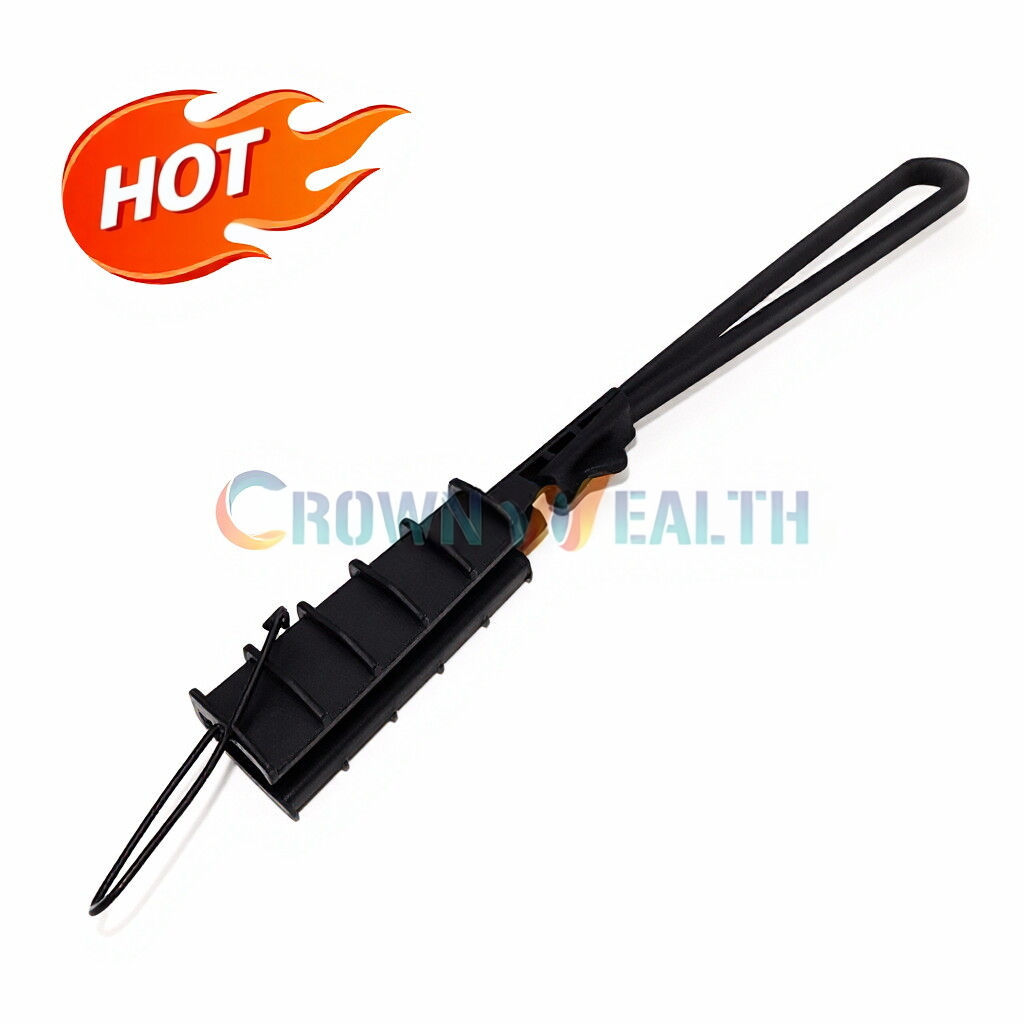
Our Wedge Type Tension Clamp (Anchor Clamp) is specifically engineered to fasten various types of self-supporting insulated wires. It allows for secure suspension of cables on poles, building walls, or other structural surfaces.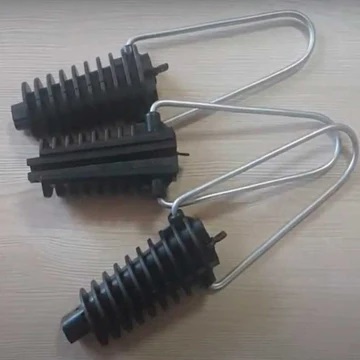
Key Features:
-
Versatility: Universally compatible with all mainline and branch circuits using self-supporting insulated wire.
-
Durability: Constructed from cold-resistant polymers with high resistance to solar UV radiation.
-
Safety: The clamping mechanism tensions the wire effectively without compromising the insulation layer.
How Many Clamps Do You Need?
For spans up to 25 meters, a standard installation requires two anchor clamps: one fixed to a hook on the support post and the other on the building wall.
For longer spans exceeding 25 meters, an intermediate support is necessary. Depending on the specific layout, there are two common solutions:
-
Install anchor clamps at both ends (main support and building) and add a supporting clamp at the midpoint.
-
Use four anchoring clamps: two sets between the main support and the intermediate post, and two between the intermediate post and the building.
In summary, a quality transmission line typically requires 2 to 4 clamps. This cost-effective component is vital for ensuring cable security and extending its service life.
Browse our online catalog for detailed specifications or contact us directly for a consultation and order.