In the rapidly expanding world of Fiber-to-the-Home (FTTH) and 5G infrastructure, the reliability of a network depends not just on the fiber optic cables themselves, but on the quality of the hardware holding them in place. Whether you are an ISP, a telecommunications contractor, or a wholesale distributor, sourcing high-quality fiber cable clamps at a competitive price is critical for project success.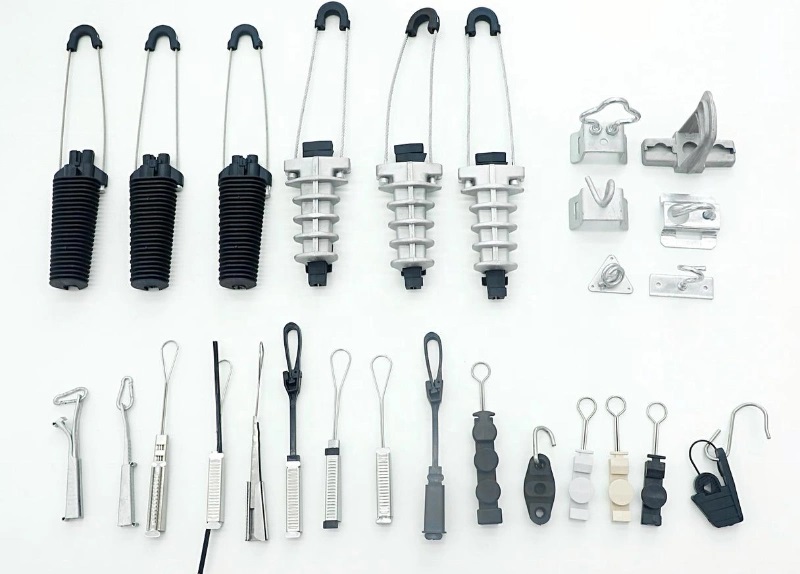
This guide explores what defines a top-tier manufacturer, the types of clamps available, and why choosing a factory-direct supplier can transform your business operations.
What is a Fiber Cable Clamp?
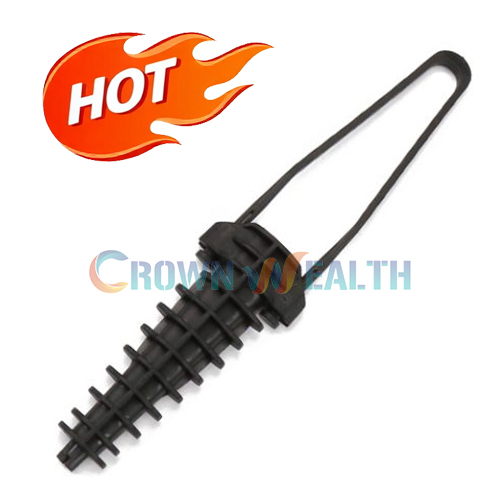
A fiber cable clamp—often referred to as a drop clamp, dead-end clamp, or aerial clamp—is a mechanical device used to secure fiber optic cables to poles, walls, or other structures. Unlike simple plastic ties, these clamps are engineered to provide:
-
High tensile strength to withstand environmental stress (wind, ice, gravity).
-
Corrosion resistance for long-term outdoor exposure.
-
Secure grip without damaging the fragile glass fibers inside the cable jacket.
They are a fundamental component of both aerial drop installations and pole line hardware assemblies.
Key Types of Fiber Optic Clamps
A professional manufacturer should offer a diverse portfolio to meet different installation scenarios. The most common categories include:
1. Aerial Drop Clamps
These are used to connect the distribution cable to the subscriber's premises. They are typically lightweight but strong.
-
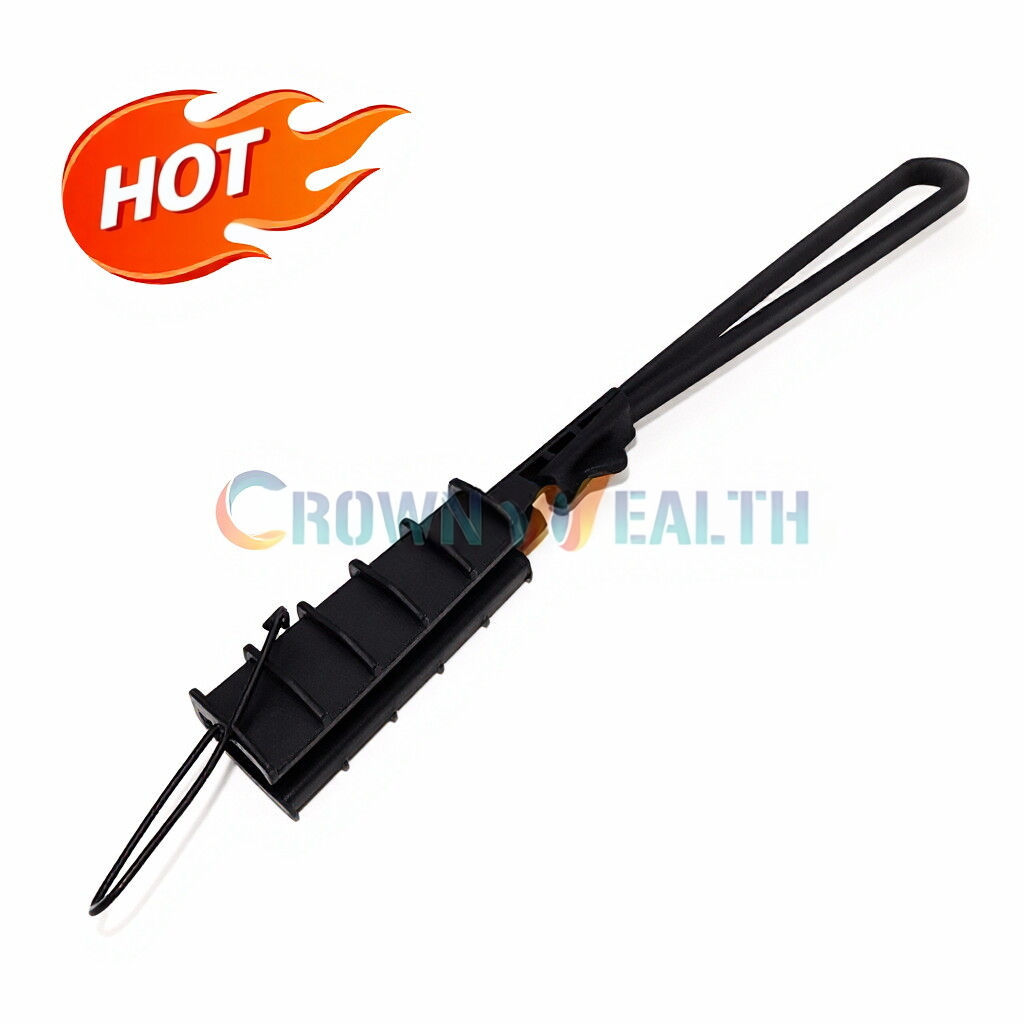
Figure-8 Clamps: Designed specifically for self-supporting figure-8 drop cables.
-
Flat Drop Clamps: Used for flat-type drop cables, often featuring a curved saddle to protect the cable.
-
Hook & Eye Kits: Include a stainless steel hook and a plastic or metal eye for versatile hanging.
2. Dead-End Clamps (Tension Clamps)
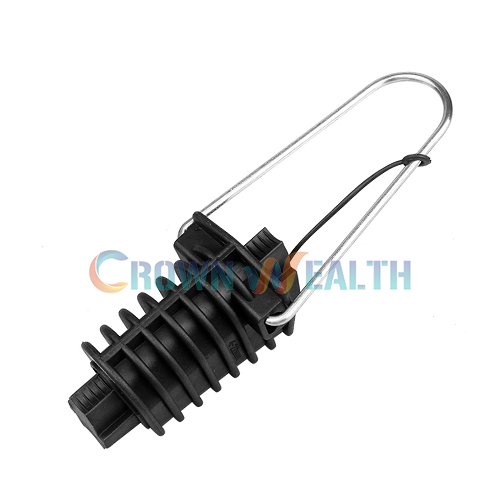
Used at the ends of a cable span where the cable terminates. These clamps must handle maximum tension.
-
Wedge Type: Utilize a wedge mechanism to lock the cable in place.
-
Suspension Type: Allow for some movement while maintaining grip, ideal for long spans.
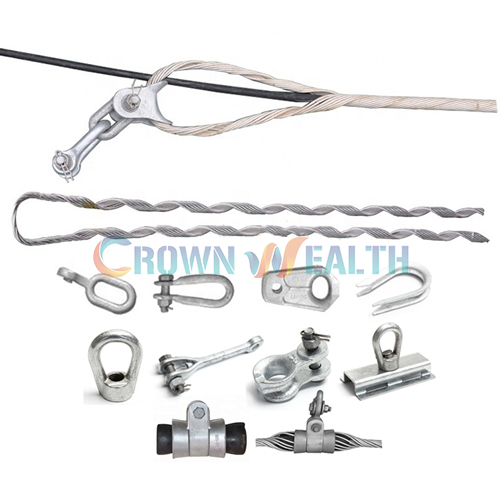
3. Pole Line Hardware Accessories
Beyond the clamps themselves, manufacturers often supply related hardware:
-
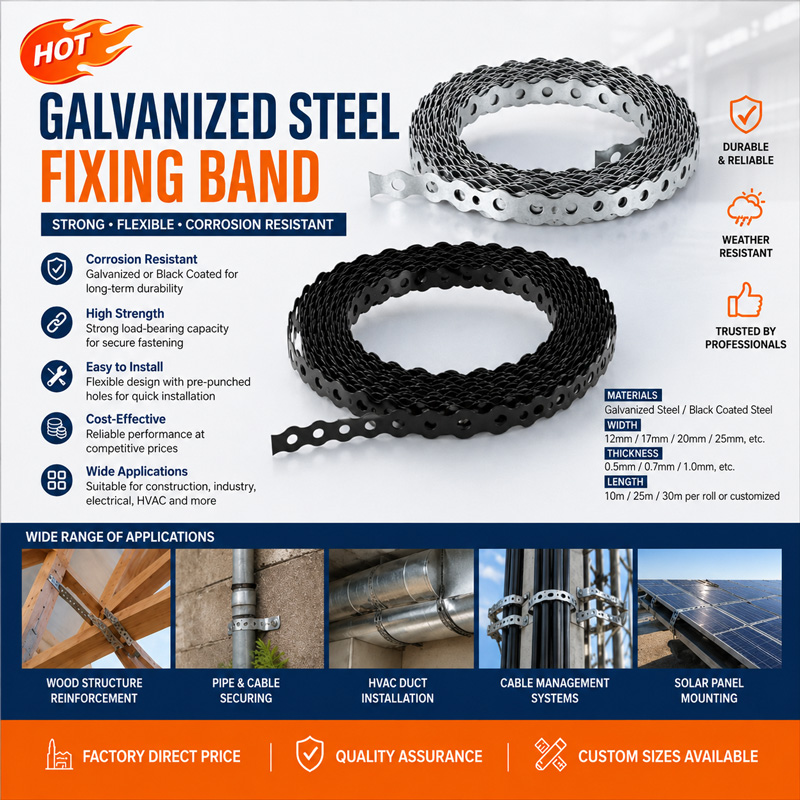
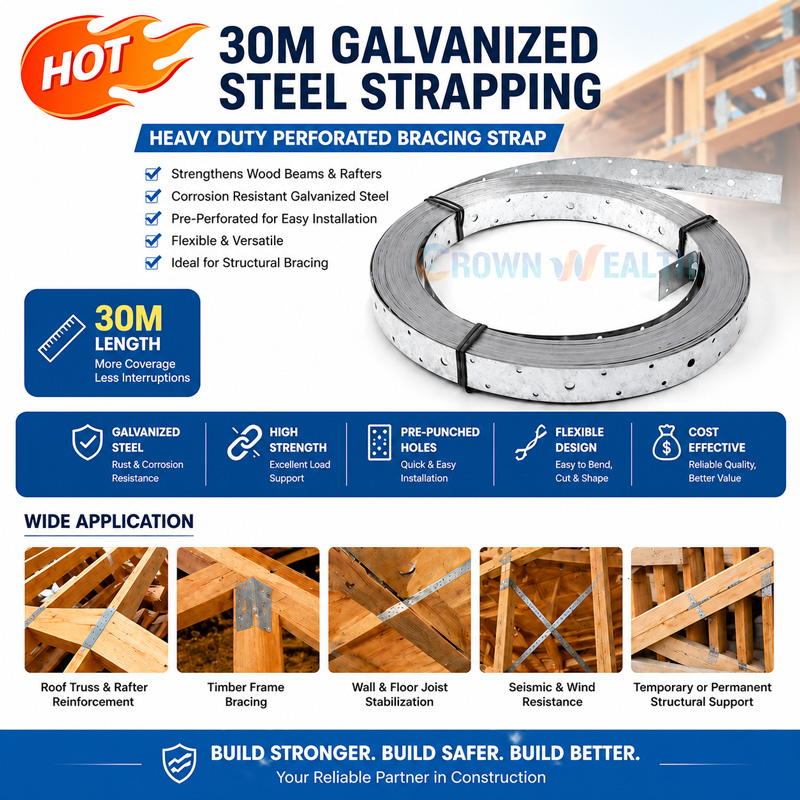
Stainless Steel Straps & Buckles
-
Wall Mount Brackets
-
Thimbles and Clevises
Why Factory-Direct Sourcing Matters
Many distributors face challenges with inconsistent quality, long lead times, and inflated costs when sourcing from middlemen. Partnering directly with a fiber cable clamp manufacturer offers distinct advantages:
1. Unbeatable Pricing
By eliminating the middleman, factory-direct pricing ensures you get the lowest possible cost per unit. This is especially crucial for large-scale FTTH deployments where thousands of clamps are required.
2. Consistent Quality Control
A reputable manufacturer operates under strict ISO9001 quality management systems. Raw materials (typically UV-resistant ABS/PC plastic and stainless steel) are tested batch-by-batch to ensure performance consistency across every shipment.
3. Customization Capabilities
Off-the-shelf products don't always fit unique project requirements. A direct factory can customize:
-
Colors (e.g., black, gray, or custom hues for easy identification).
-
Packaging (private labeling, specific bag counts).
-
Material composition (e.g., higher-grade stainless steel for coastal areas).
4. Global Logistics Support
Established manufacturers have experience shipping to over 200 countries. They understand export documentation, customs clearance, and can coordinate sea freight or air cargo efficiently.
The Global Market Presence
The demand for reliable fiber hardware is global. Today, leading manufacturers serve a vast network of partners, including:
-
Telecommunication Giants: Supplying hardware for national broadband initiatives.
-
Local Distributors: Over 200 distributors worldwide stock these products in their physical stores, making procurement easy for local contractors.
-
Utility Companies: For smart grid and power-over-fiber applications.
This widespread adoption is a testament to product reliability and the trust placed in factory-direct supply chains.
How to Select Your Manufacturing Partner
When evaluating potential suppliers, ask the following questions:
|
Criteria |
What to Look For |
|---|---|
|
Experience |
Does the factory specialize in fiber optics, or is it a general hardware shop? |
|
Certifications |
Are they ISO certified? Do their products meet Telcordia or IEC standards? |
|
R&D Team |
Can they develop new molds or modify existing designs based on your feedback? |
|
MOQ (Minimum Order Quantity) |
Is the MOQ flexible for small test orders vs. large bulk orders? |
|
Sample Policy |
Do they provide free samples for testing before mass production? |
Conclusion: Build Your Network on Solid Ground
The hardware that secures your fiber network is not an area to cut corners. By partnering with a dedicated fiber cable clamp manufacturer that offers direct factory prices, rigorous quality control, and global distribution support, you ensure your infrastructure is built to last.
For distributors and contractors looking to expand their inventory with reliable, high-performance aerial drop and pole line hardware, aligning with a proven factory partner is the key to staying competitive in the fast-paced telecom industry.