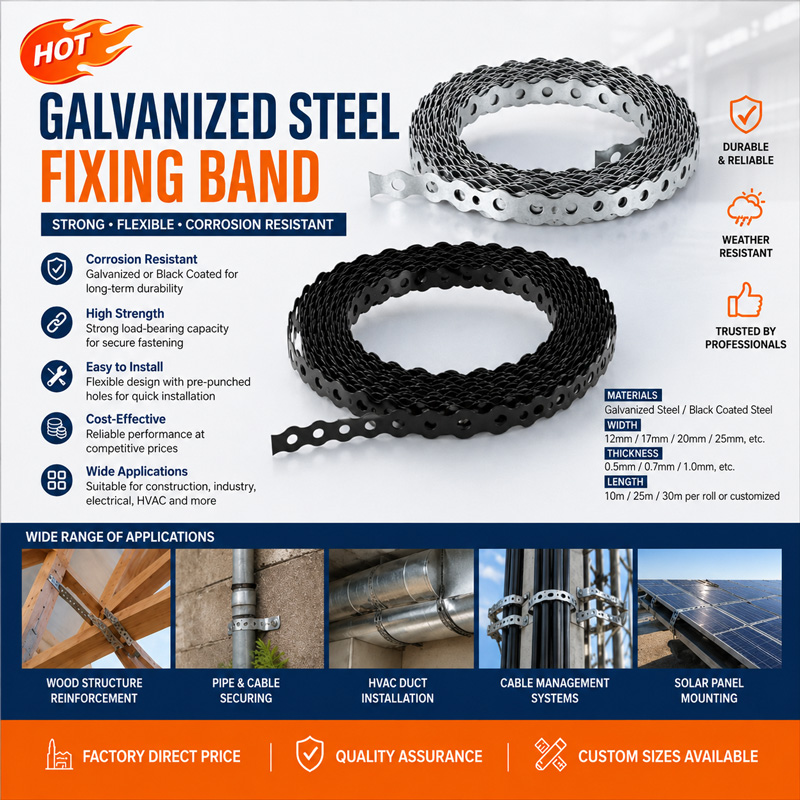
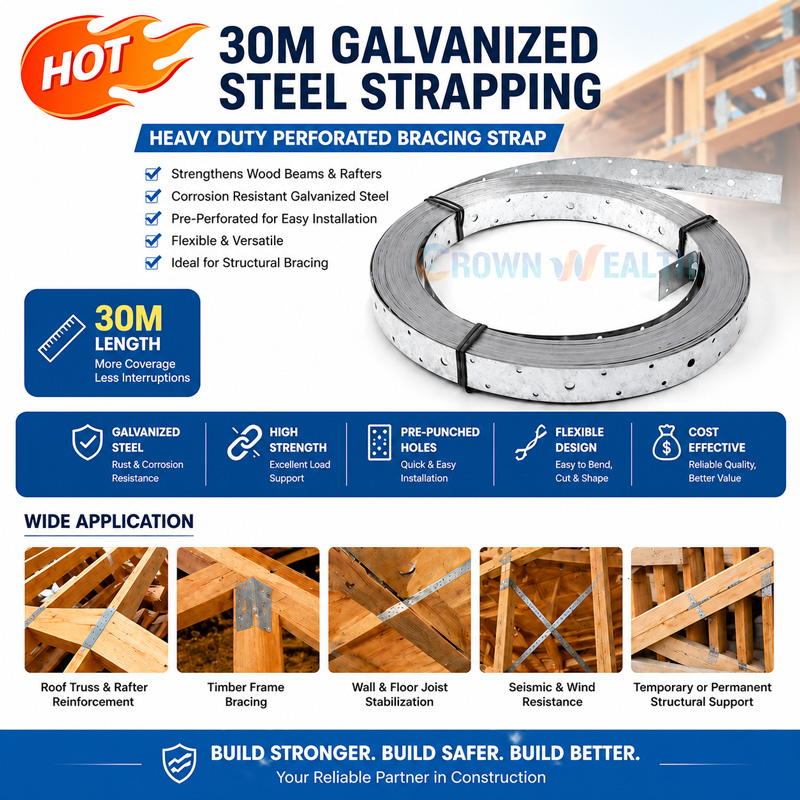
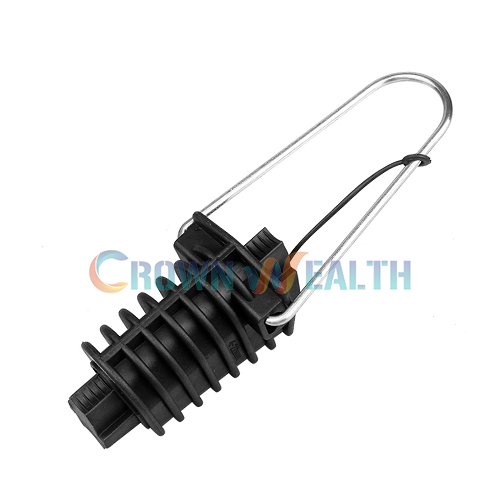
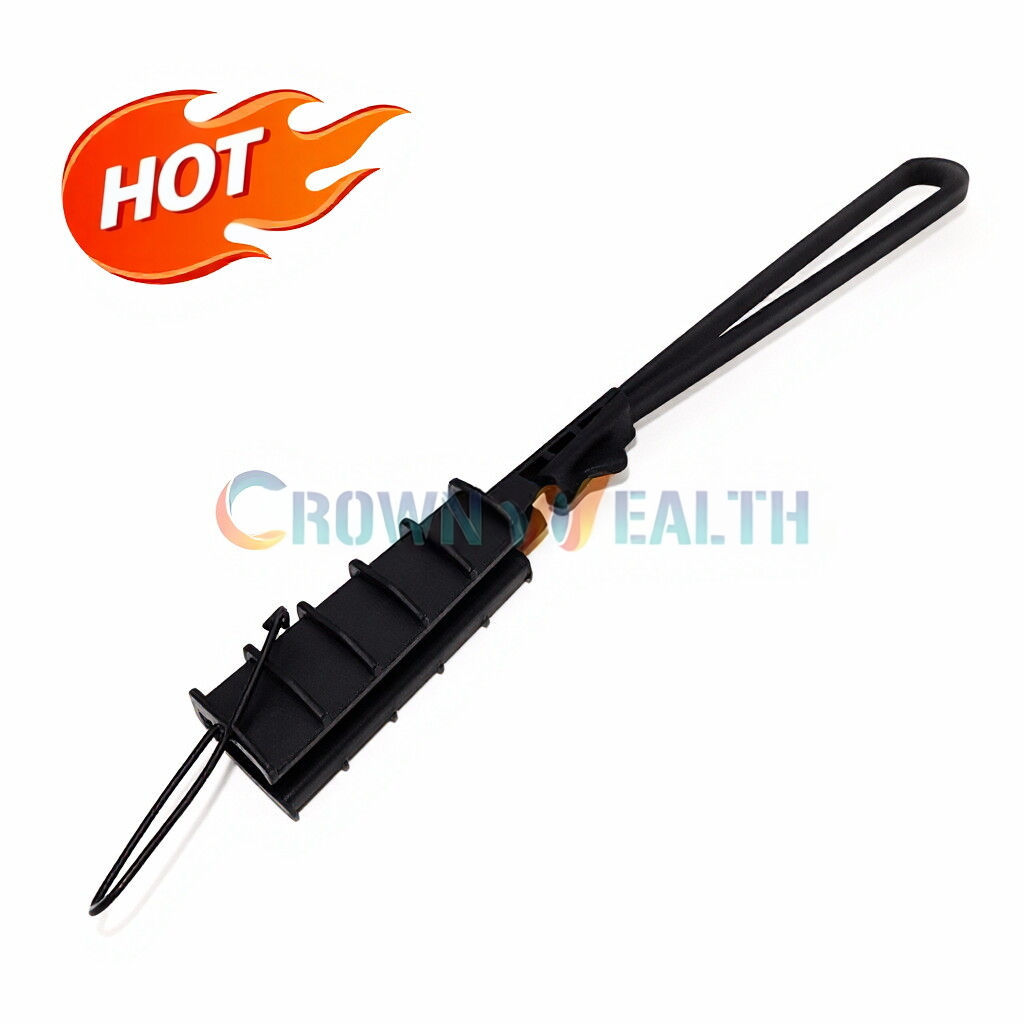
In the rapidly evolving world of fiber optic communication, precision, reliability, and safety are non-negotiable. As global demand for high-speed data transmission surges, the importance of high-quality hardware components cannot be overstated. Among these critical components, the fiber cable clamp plays a vital role in ensuring network stability and longevity. This article explores why choosing an ISO Certified Fiber Cable Clamp Manufacturer is essential for meeting rigorous international standards and securing your fiber infrastructure.
What is a Fiber Cable Clamp?
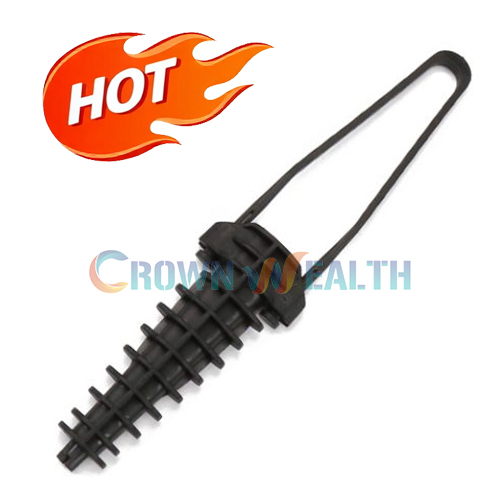
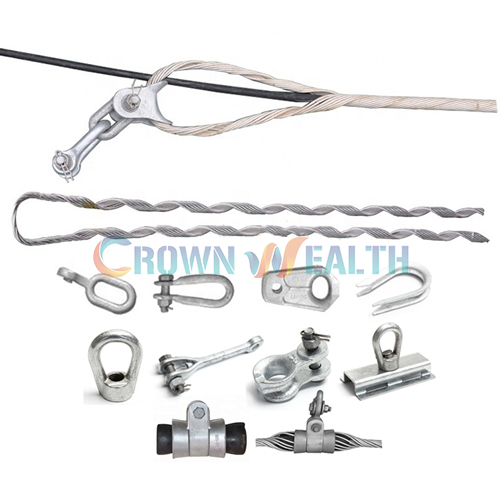
A Fiber Cable Clamp (also known as a fiber optic cable clamp or drop clamp) is a mechanical fastener used to secure fiber optic cables to various structures, such as poles, walls, or towers. Its primary function is to hold the cable firmly in place while minimizing stress on the fibers inside. Unlike standard clamps, fiber-specific clamps are designed with smooth edges and precise dimensions to prevent micro-bending or crushing of the delicate glass fibers.
Key applications include:
-
FTTH (Fiber to the Home): Securing drop cables from the pole to the subscriber’s premises.
-
Telecommunication Networks: Fixing distribution cables along aerial pathways.
-
Data Centers: Managing and organizing cable routes within server racks.
The Critical Role of ISO Certification in Manufacturing
ISO (International Organization for Standardization) certification is more than just a logo—it is a globally recognized symbol of quality, consistency, and efficiency. For a fiber cable clamp manufacturer, obtaining ISO certification (typically ISO 9001:2015 for Quality Management Systems) signifies a commitment to excellence at every stage of production.
Why ISO Certification Matters:
-
Quality Assurance:
-
ISO-certified facilities follow strict quality control protocols. Every batch of clamps undergoes rigorous testing for tensile strength, corrosion resistance, and dimensional accuracy.
-
-
Material Traceability:
-
Only certified raw materials (such as UV-resistant ABS plastic, stainless steel, or galvanized steel) are used, ensuring the final product performs reliably in harsh environments.
-
-
Process Consistency:
-
Standardized manufacturing processes eliminate variability, meaning a clamp produced today will perform identically to one produced six months later.
-
-
Global Compliance:
-
ISO standards align with other international benchmarks (e.g., IEC, Telcordia), making it easier for products to be accepted in foreign markets without additional audits.
-
Key Features of High-Quality Fiber Cable Clamps
An ISO-certified manufacturer ensures their clamps possess the following characteristics:
|
Feature |
Description |
Benefit |
|---|---|---|
|
Corrosion Resistance |
Coated with hot-dip galvanization or UV-stabilized polymer. |
Prevents rust and degradation in outdoor/coastal areas. |
|
High Tensile Strength |
Engineered to withstand specific pull forces (e.g., 50N to 200N). |
Secures cables against wind load and accidental tugging. |
|
Smooth Interior Design |
Rounded edges and non-abrasive contact surfaces. |
Protects the optical fiber from bending losses or breakage. |
|
Versatility |
Compatibility with different cable diameters (e.g., 2mm to 8mm). |
Reduces inventory complexity for installers. |
Advantages of Partnering with an ISO Certified Manufacturer
When sourcing fiber cable clamps, partnering with an ISO-certified factory offers tangible benefits beyond the product itself.
1. Reduced Installation Failures
Poorly manufactured clamps can crack during installation or fail under environmental stress, leading to costly network downtime. ISO processes ensure failure rates are statistically minimal.
2. Customization & OEM Support
Certified manufacturers often have robust R&D departments capable of providing OEM (Original Equipment Manufacturer) services. They can tailor clamps to specific requirements, such as unique colors for network identification or custom logos.
3. Competitive Pricing via Efficiency
While quality is paramount, ISO certification drives operational efficiency (Lean Manufacturing principles), which helps reduce waste and overhead costs—savings that are often passed on to the customer.
4. Reliable Supply Chain
ISO standards require contingency planning and supplier quality management, ensuring that your supply chain remains stable even during global logistics disruptions.
Industries Served
An ISO-certified clamp manufacturer typically serves a diverse range of sectors, including:
-
Telecommunications: Major carriers and ISPs deploying nationwide FTTH networks.
-
Railway & Transportation: Signal and communication systems along rail lines.
-
Energy & Utilities: SCADA communication lines for power grids.
-
Enterprise Networking: Large-scale campus and industrial park deployments.
Conclusion: Ensuring Network Integrity from the Ground Up
The smallest component in a fiber optic network can become the weakest link if not manufactured to exacting standards. By choosing an ISO Certified Fiber Cable Clamp Manufacturer, you are not just buying a piece of plastic or metal; you are investing in guaranteed performance, regulatory compliance, and long-term network security.
As global standards continue to evolve, aligning with a manufacturer that prioritizes ISO quality management is the smartest way to ensure your fiber infrastructure is built to last.
Frequently Asked Questions (FAQ)
Q1: What does "ISO 9001 Certified" specifically mean for fiber clamps?
It means the manufacturer has demonstrated the ability to consistently provide products that meet customer and regulatory requirements, focusing on quality management principles like strong customer focus and continuous improvement.
Q2: Are ISO-certified clamps more expensive?
Not necessarily. While they may have a slightly higher unit cost than uncertified, low-quality alternatives, the total cost of ownership (TCO) is lower due to reduced failure rates, warranty claims, and replacement labor.
Q3: Can I get custom branding on ISO-certified clamps?
Yes. Most ISO-certified factories offer OEM services, allowing you to add your company logo, specific color codes, or unique packaging to meet your brand identity needs.