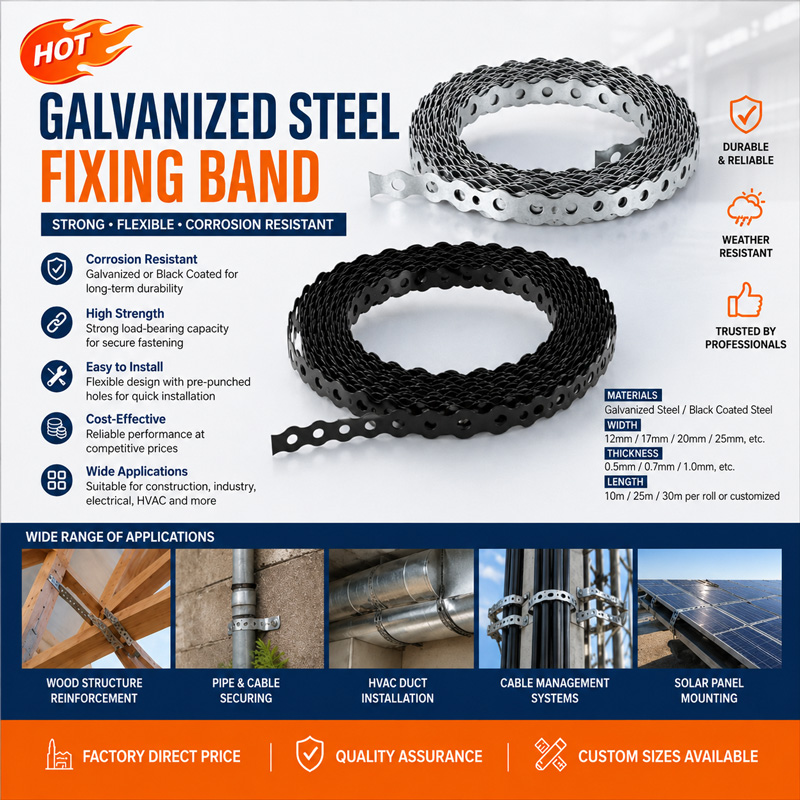
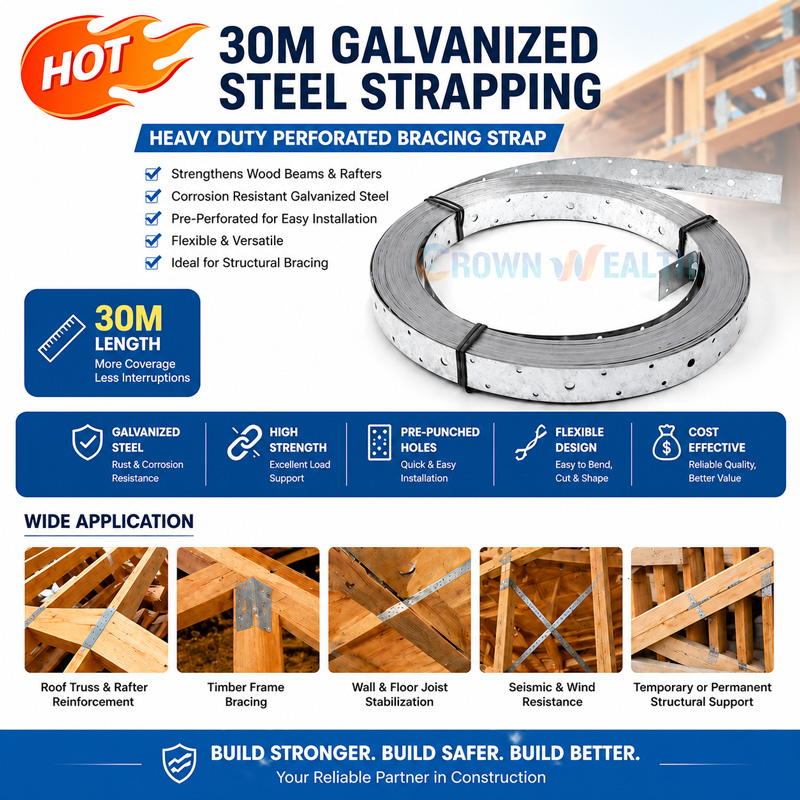
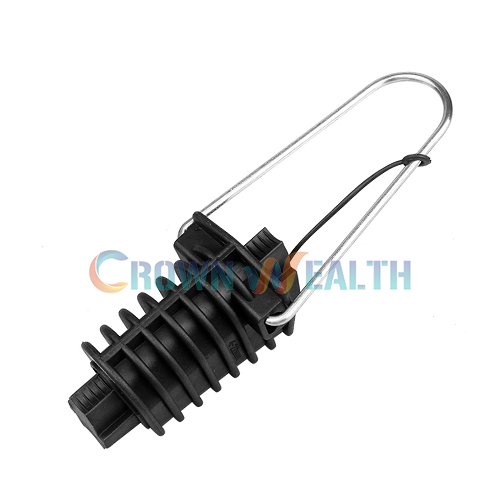
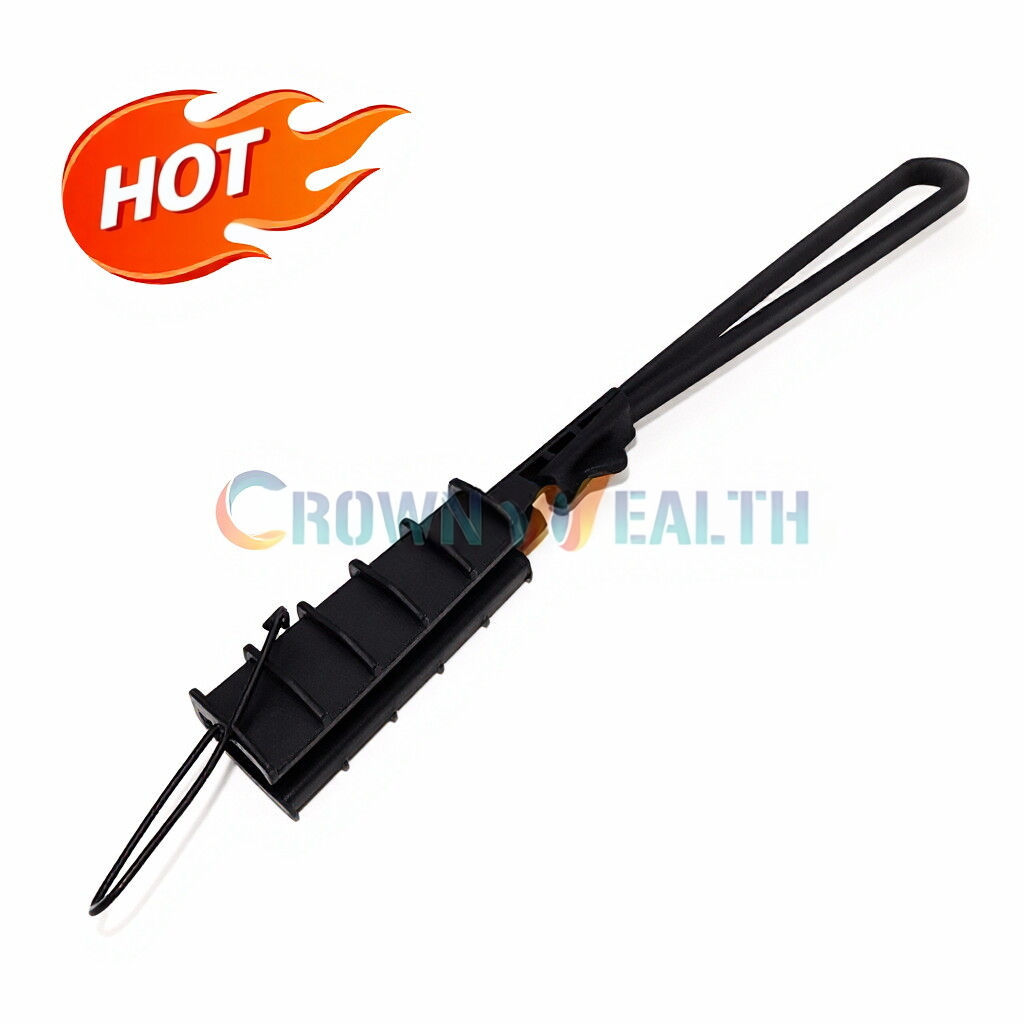
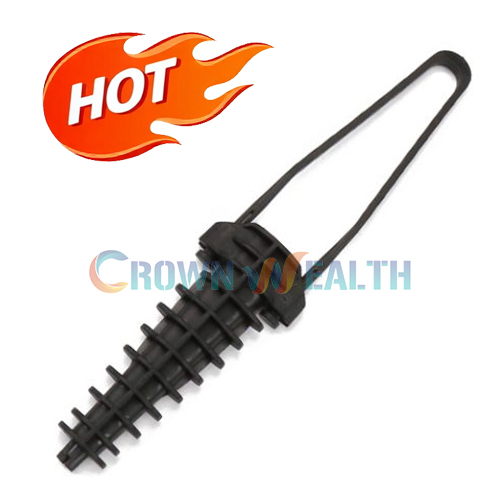
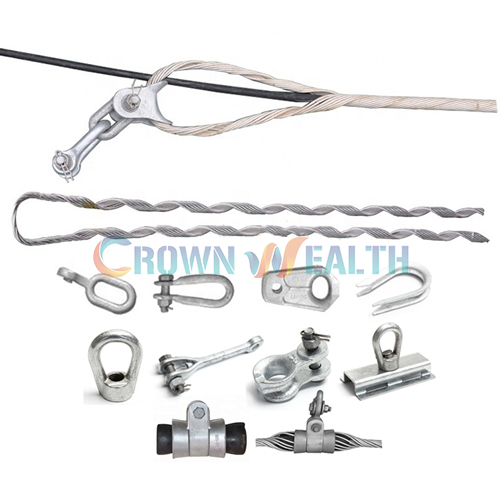
In an era defined by electronics, connectivity, and complex machinery, the management of wires and cables has become a critical aspect of safety, efficiency, and aesthetics. While cables are the lifelines of power and data, they can quickly become chaotic without proper restraint. This is where Cable Clips come in—small, inexpensive, yet indispensable components that keep our world organized.
Behind these tiny fasteners lies a robust global manufacturing industry. This article explores the world of cable clip manufacturers, examining what they do, how they operate, and how to choose the right partner for your needs.
1. Who Are Cable Clip Manufacturers?
Cable clip manufacturers are specialized industrial companies that design, produce, and distribute plastic or metal fasteners used to secure wires to surfaces. These clips are essential across virtually every sector, including construction, automotive, electronics, telecommunications, and home improvement.
Unlike large-scale structural component manufacturers, cable clip producers often focus on high-volume production, precision molding, and customization to meet diverse application requirements.
2. Types of Cable Clips and Their Applications
A professional manufacturer typically offers a wide portfolio of products. Understanding these variations is key to appreciating the manufacturer’s role.
|
Type of Clip |
Description |
Common Applications |
|---|---|---|
|
Nail-in Clips |
A plastic clip with a hardened nail for securing to wood or masonry. |
Construction sites, home wiring, temporary setups. |
|
Adhesive Clips |
Clips backed with strong adhesive tape (no nails required). |
Office desks, car dashboards, rental properties. |
|
Saddle Clips / P-Clips |
U-shaped metal or plastic clips secured with a screw. |
Automotive engine bays, industrial machinery. |
|
Push Mount Clips |
Designed to be pushed into a pre-drilled hole and snap into place. |
Control panels, computer cases, furniture assembly. |
|
Cable Tie Mounts |
Anchor points designed specifically for securing cable ties. |
Heavy-duty bundling in factories and workshops. |
|
Conduit Clips |
Larger clips designed to hold electrical conduit pipes. |
Industrial electrical installations. |
3. The Manufacturing Process: From Raw Material to Finished Product
The production process varies depending on whether the clip is made from plastic or metal, but generally follows a streamlined path:
A. Plastic Injection Molding (Most Common)
-
Material Selection: High-quality polymers like Polyamide (Nylon 66), Polypropylene (PP), or Polyvinyl Chloride (PVC) are chosen based on the required flexibility, temperature resistance, and UV stability.
-
Mold Design: Precision steel molds are engineered using CNC machining to create cavities for each clip shape.
-
Injection: Granulated raw material is fed into an injection molding machine, melted, and injected into the mold under high pressure.
-
Cooling & Ejection: The plastic cools rapidly (within seconds), solidifies, and is ejected as a finished clip.
-
Assembly: For clips requiring metal nails or screws, automated machines insert these components.
-
Quality Control: Samples are tested for tensile strength, brittleness, and dimensional accuracy.
B. Metal Stamping & Forming
For metal clips (like stainless steel P-clips):
-
Coil Feeding: Large coils of steel or zinc-plated metal are fed into a stamping press.
-
Blanking & Piercing: The press cuts the metal into specific shapes and punches holes.
-
Bending & Forming: Robotic arms or dies bend the flat metal into the desired U-shape or loop.
-
Finishing: The clips may undergo plating (zinc, nickel) or coating (PVC sleeving) to prevent corrosion.
4. Key Factors to Consider When Choosing a Manufacturer
Selecting the right supplier goes beyond just finding the lowest price. Here are the critical factors to evaluate:
-
Material Quality & Certifications:
-
Does the manufacturer use virgin raw materials or recycled plastics?
-
Look for compliance with international standards such as UL (Underwriters Laboratories), RoHS (Restriction of Hazardous Substances), and REACH.
-
-
Customization Capabilities:
-
Can they create custom colors, sizes, or clip designs for your specific project?
-
Do they offer OEM (Original Equipment Manufacturer) services?
-
-
Production Capacity & Lead Time:
-
Can they handle large bulk orders?
-
What is their average lead time for shipping?
-
-
R&D and Innovation:
-
Leading manufacturers invest in R&D to develop new materials (e.g., fire-retardant nylon) or eco-friendly alternatives.
-
-
Global Logistics:
-
Do they have experience exporting to your region? Are they familiar with local packaging and labeling requirements?
-
5. Industry Trends Shaping Cable Clip Manufacturing
The industry is not static; it is evolving with technological and environmental demands.
-
Eco-Friendly Materials: There is a growing demand for clips made from biodegradable plastics or recycled ocean waste.
-
Miniaturization: As electronics get smaller (e.g., in wearables and drones), manufacturers are producing micro-clips that require extreme precision.
-
Smart Manufacturing: The adoption of IoT (Internet of Things) in factories allows for real-time monitoring of production lines, reducing defects and waste.
-
Aesthetic Integration: In consumer electronics and architecture, there is a trend toward clips that blend seamlessly with the environment (e.g., transparent or color-matched clips).
6. Conclusion
Cable clip manufacturers play a vital role in maintaining order and safety in both industrial and domestic settings. While these components may seem trivial, their quality directly impacts the longevity of wiring systems and the safety of operations.
Whether you are a contractor sourcing bulk supplies, an engineer designing a new product, or a retailer stocking hardware shelves, partnering with a reputable and capable manufacturer is paramount. By focusing on material science, production efficiency, and customer-specific solutions, top-tier manufacturers ensure that even the smallest piece of hardware performs its job reliably for years to come.