Introduction: Securing the Backbone of Overhead Lines
In the world of overhead power distribution and telecommunications, reliability is non-negotiable. Whether it's Aerial Bundled Cables (ABC) or simple drop wire installations, the integrity of the line often hinges on one small but critical component: the messenger wire tension clamp.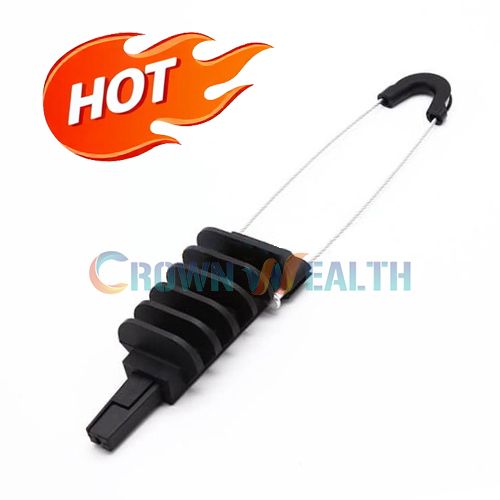
These clamps serve a vital function—they anchor and tension the supporting messenger wire, ensuring that cables remain taut, stable, and secure against wind, ice, and gravity. Choosing the right clamp is essential for reducing maintenance costs and preventing service interruptions. This guide explores the engineering, features, and application of modern tension clamps designed for demanding outdoor environments.
What is a Messenger Wire Tension Clamp?
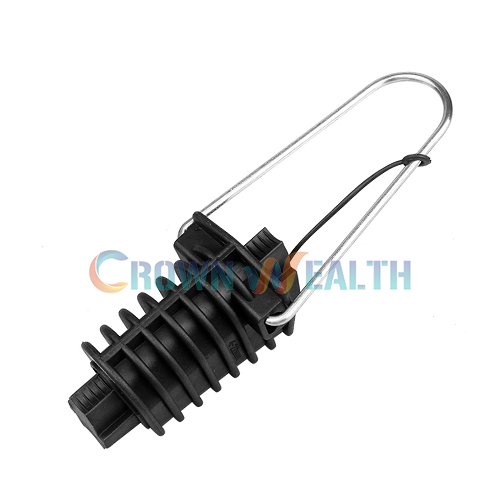
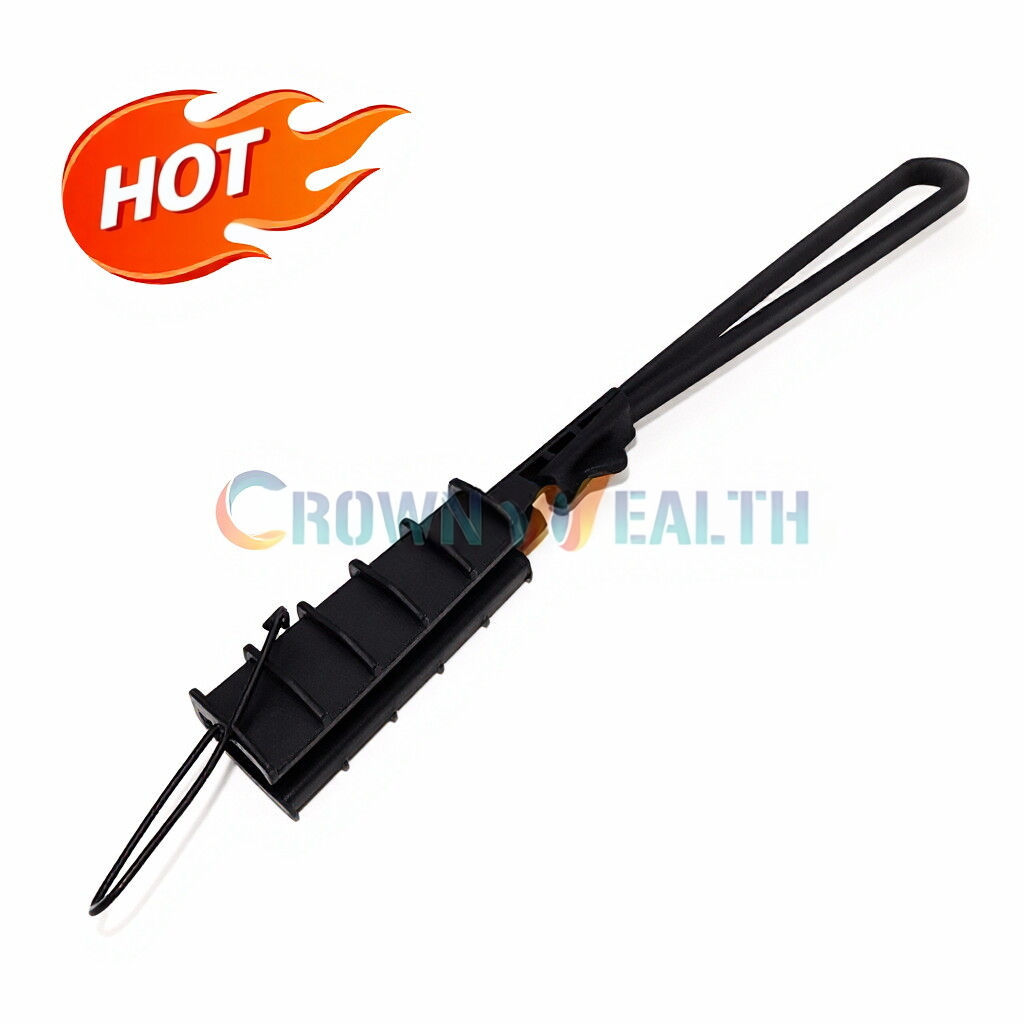
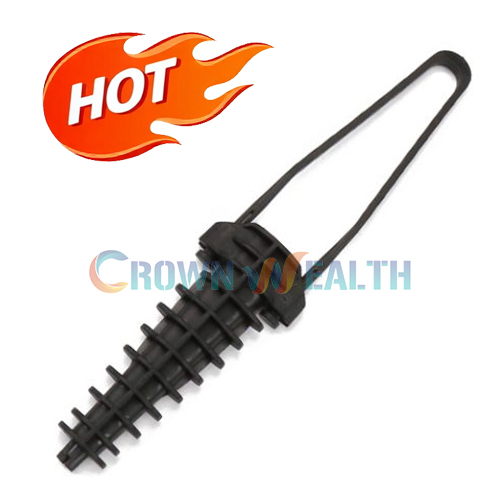
A tension clamp (also known as a dead-end clamp or anchoring clamp) is a mechanical device used to terminate and tension the metallic messenger wire in an overhead line. Unlike simple tie-wraps or tapes, these clamps are engineered to distribute stress evenly across the wire, preventing deformation while providing a robust point of attachment to poles or structures.
Our focus here is on the wedge-type tension clamp, a tool-less and reusable solution widely adopted in utility projects worldwide.
Key Features and Technical Advantages
Modern tension clamps are more than just pieces of metal and plastic. They are precision-engineered assemblies built to last for decades. Here are the core components that define a high-quality clamp:
1. Body & Wedge: Engineered Thermoplastic
-
Material: High-grade, UV-stabilized thermoplastic.
-
Benefit: Unlike metals, thermoplastic does not corrode. It is specifically formulated to resist cracking under intense solar radiation (UV exposure) and extreme temperature fluctuations. It remains flexible yet strong in conditions ranging from -40°C to +60°C.
2. Bail (Hanger): Reinforced Galvanized Steel
-
Material: Hot-dip galvanized steel.
-
Benefit: The "U" shaped bail connects the clamp to the pole hardware. Hot-dip galvanization provides a thick, protective zinc coating that resists rust and corrosion, ensuring structural integrity even in coastal or industrial atmospheres.
3. Tool-Free Installation
-
Design: The clamp features a user-friendly mechanism that requires no specialized crimping tools or bolts.
-
Benefit: This significantly speeds up deployment, reduces labor costs, and allows for easy adjustments or reuse if necessary.
Compliance with NFC 33-042 Standard
For utilities and contractors operating in Europe and regions adopting French standards, compliance with NFC 33-042 is crucial. This standard specifies the requirements for accessories used in overhead lines with insulated conductors.
A clamp built to this standard guarantees:
-
Mechanical Strength: It can withstand specified tensile forces without slipping or breaking.
-
Electrical Performance: Safe conductivity characteristics where required.
-
Durability: Proven resistance to environmental aging.
Step-by-Step Installation Procedure
Proper installation is key to ensuring the clamp performs as intended. Follow this simple procedure:
-
Open: Begin by unhooking the bail or opening the clamp body to create a gap between the main body and the internal wedge.
-
Insert: Place the messenger wire into the designated channel. Ensure the wire sits fully within the grip area between the wedge and the clamp body.
-
Close: Securely close the clamp. You will typically hear or feel a snap indicating that the locking mechanism has engaged properly.
-
Strain: Finally, apply tension to the cable assembly. The unique wedge design ensures that the clamp grips the messenger wire tighter as tension increases, creating a self-locking effect.
Application Scope
These versatile clamps are ideal for a wide range of projects, including:
-
Aerial Bundled Cable (ABC) Systems: Anchoring the steel messenger wire that supports the cable bundle.
-
Telecommunication Drop Wires: Securing service drops from the main line to residential buildings.
-
Overhead Ground Wire (OPGW) Termination: In specific configurations requiring light tensioning.
Conclusion
Investing in high-quality, standards-compliant tension clamps is fundamental to building resilient overhead infrastructure. By combining a robust thermoplastic body with a corrosion-resistant steel bail, these clamps provide a maintenance-free solution that ensures network reliability for years to come.
When specifying components for your next project, always prioritize materials, environmental ratings, and adherence to international standards like NFC 33-042.