In the intricate world of telecommunications, where data travels at the speed of light, protecting the physical medium is paramount. If you've ever worked with fiber optics, you've likely heard the term "fiber clamp." But what exactly is it, and why is it so crucial for network integrity?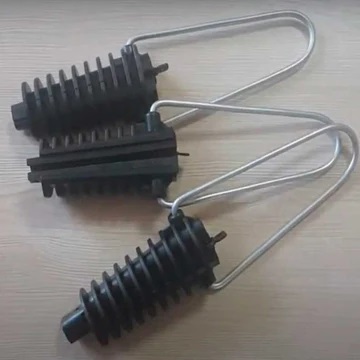
This guide breaks down everything you need to know about fiber clamps—from their basic definition to their critical role in preventing signal loss and ensuring a stable connection.
Defining the Fiber Clamp: More Than Just a Clip
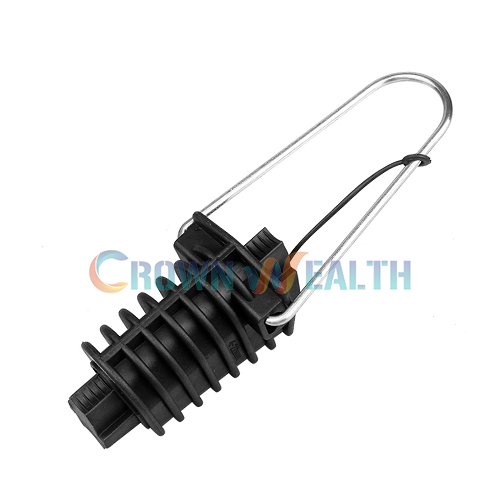
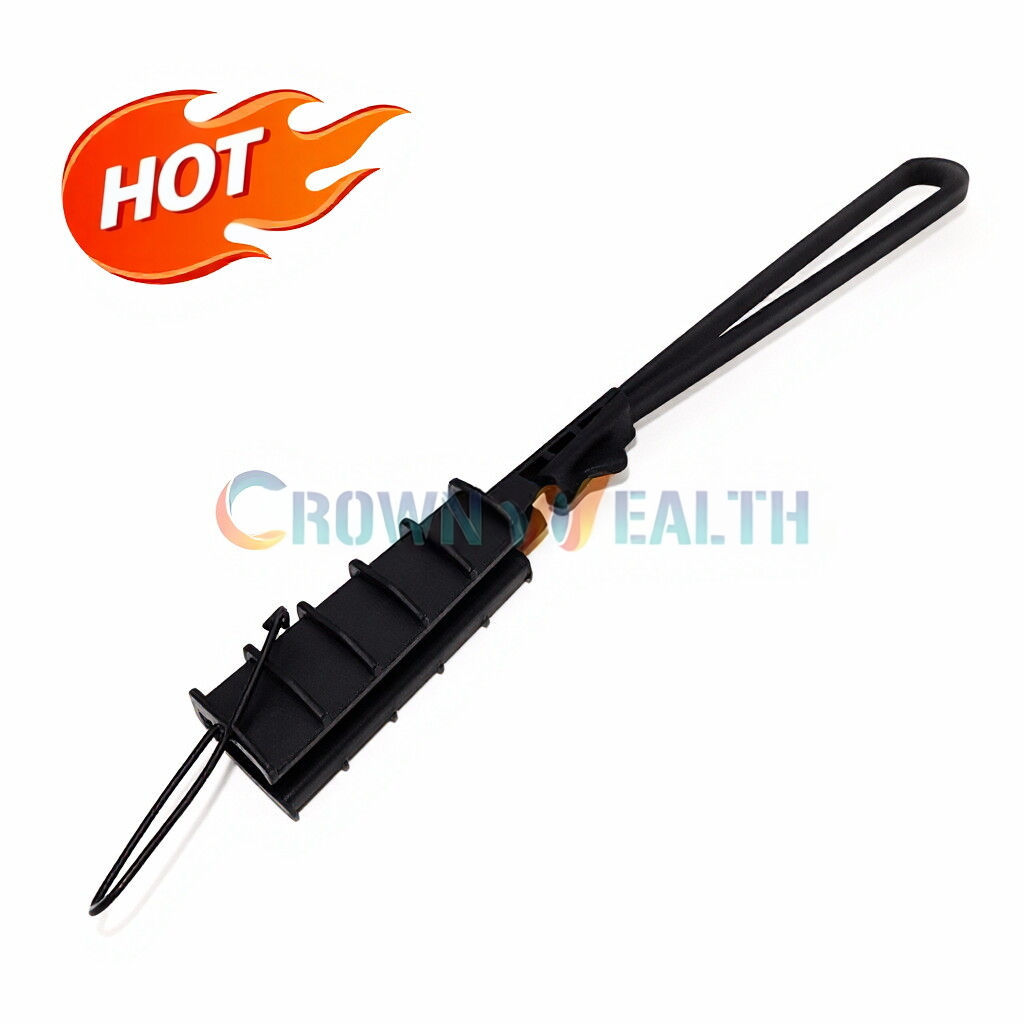
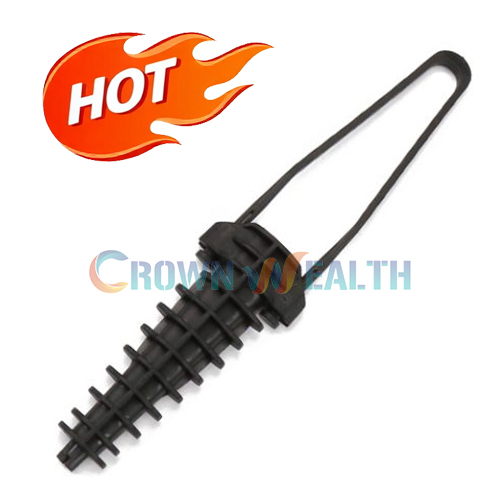
At its core, a fiber clamp (also known as a cable clamp, fiber holder, or drop clamp) is a mechanical device designed to secure, support, and protect fiber optic cables.
Unlike generic metal clamps used for electrical wiring or plumbing, fiber clamps are precision-engineered with one goal: to hold the delicate glass fibers (which are thinner than human hair) without subjecting them to excessive stress or bending.
Key Distinction: While a standard hose clamp might crush a fiber cable, a purpose-built fiber clamp distributes pressure evenly to safeguard the internal components.
Why Are Fiber Clamps So Important?
Fiber optic cables are incredibly efficient at transmitting data, but the glass core is susceptible to physical stress. Improper handling can lead to micro-bends or macro-bends, which cause signal degradation (attenuation) and potentially total network failure.
Here’s what a good fiber clamp protects against:
-
Tensile Stress: Preventing the cable from being pulled too tight, which can stretch or snap the fibers inside.
-
Environmental Vibration: Stabilizing cables against wind flutter (in aerial installations) or machinery vibration (in industrial settings).
-
Physical Impact: Shielding the cable from accidental bumps, snags, or abrasion.
-
Bend Radius Violation: Ensuring the cable is not bent beyond its minimum bend radius (typically 30mm for standard fiber), which is the #1 cause of signal loss.
Types of Fiber Clamps and Their Applications
Not all fiber clamps are created equal. Depending on the environment—be it a high-altitude telephone pole or a dense data center rack—the hardware changes. Here are the most common types:
1. Drop Wire Clamps (for FTTH)
Used primarily in Fiber to the Home (FTTH) installations, these lightweight clamps secure the drop cable from the main distribution line to the customer's premises. They are typically made from stainless steel or UV-resistant thermoplastic to withstand outdoor conditions.
2. Dead-End Clamps (Anchoring Clamps)
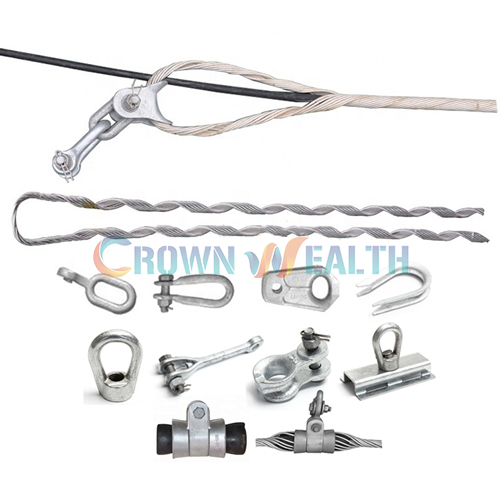
These are heavy-duty clamps used at the terminal end of a cable span. Their job is to anchor the cable firmly to a pole or wall bracket, supporting the entire weight of the cable run without damaging the fibers within.
3. Suspension Clamps
Unlike dead-end clamps, suspension clamps are used alongthe cable route (between two poles). They support the cable's weight while allowing for slight movement caused by thermal expansion or wind, preventing the buildup of static stress.
4. Patch Cord Managers / Panel Clamps
Inside a data center or telecom room, these smaller clips or brackets organize patch cords within a server rack or fiber patch panel. Their purpose is organization and strain relief, preventing cables from being accidentally yanked out of transceivers.
Fiber Clamp vs. Cable Tie: A Critical Comparison
A common question among new technicians is: "Can't I just use a zip tie (cable tie) instead of a fiber clamp?"
While tempting, this is a risky shortcut. Here’s a quick comparison:
|
Feature |
Fiber Clamp |
Standard Cable Tie (Zip Tie) |
|---|---|---|
|
Pressure Distribution |
Even, controlled pressure |
Concentrated pressure point |
|
Bend Radius Control |
Designed to maintain safe curves |
Often forces tight, damaging bends |
|
Material Durability |
Stainless steel, reinforced nylon (UV/rust-proof) |
Plastic (becomes brittle in UV/sunlight) |
|
Reusability |
Often reusable |
Single-use |
|
Risk of Damage |
Low (when sized correctly) |
High |
Verdict: For permanent, reliable, and safe installations—especially outdoors—always use a proper fiber clamp.
Conclusion: The Small Component That Makes a Big Difference
A fiber clamp may seem like a minor piece of hardware, but it plays a starring role in the reliability of your network. By choosing the right type of clamp for your specific application (aerial, underground, or indoor), you are actively investing in the longevity and performance of your fiber optic infrastructure.
Before your next installation, take a moment to assess your hardware. Using the correct clamp isn't just about securing a cable—it's about securing your data.