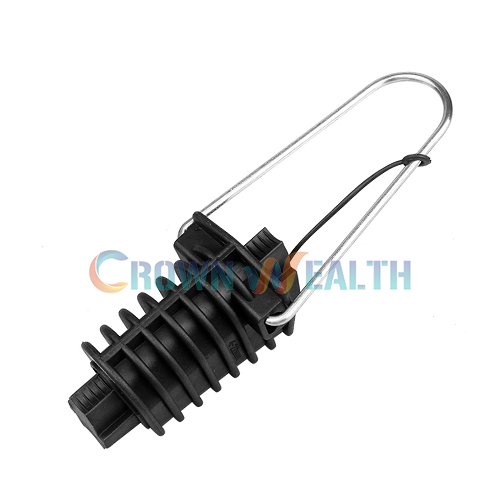
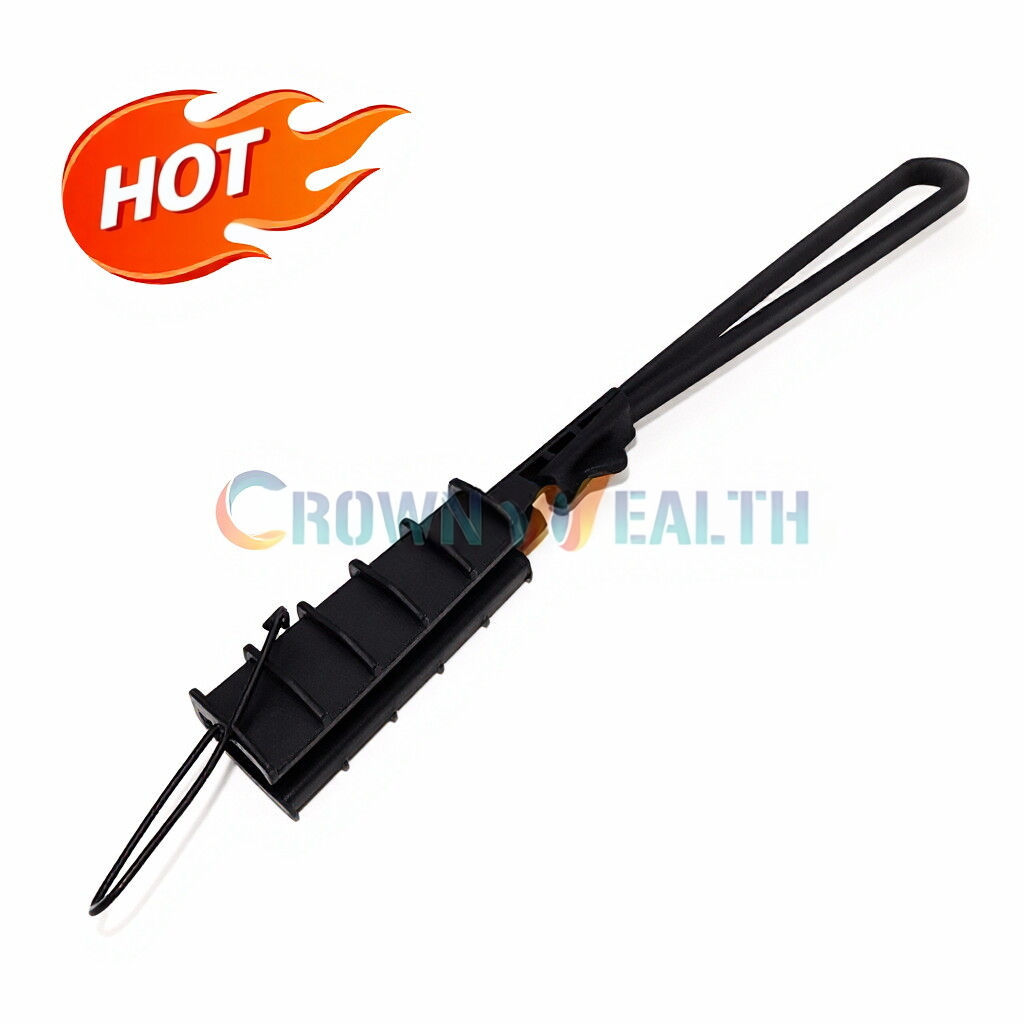
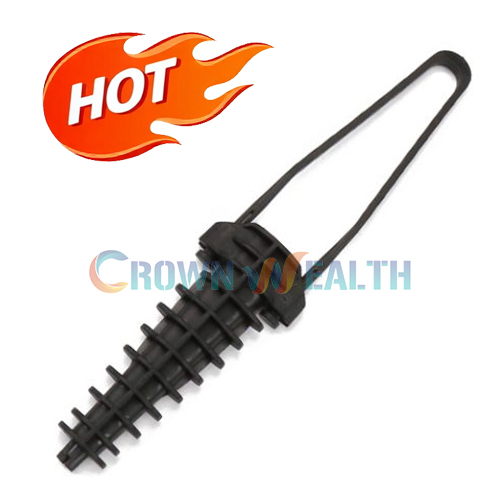
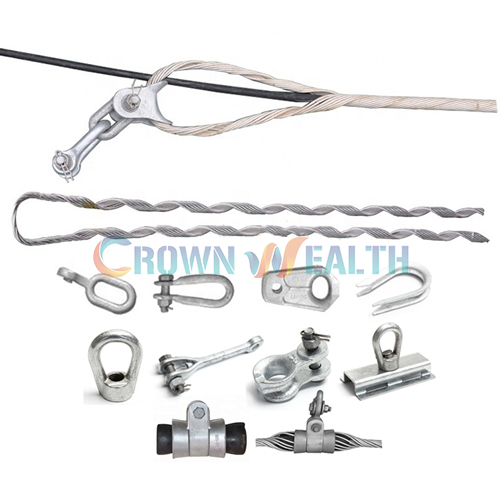
Selecting the right tension clamp (dead-end clamp) is critical for the safety and performance of overhead transmission lines. A wrong choice can lead to conductor damage, slippage, or even line failure.
This guide explains how to choose the correct tension clamp based on practical engineering considerations.
1. Understand the Function of a Tension Clamp
A tension clamp is used to:
- Anchor the conductor at dead-end points
- Withstand full mechanical tension
- Maintain electrical continuity
It is typically installed at:
- Line terminations
- Angle towers
- Section breaks
2. Match the Clamp with Conductor Type
The first and most important step is to match the clamp with the conductor.
Common conductor types:
- ACSR (Aluminum Conductor Steel Reinforced)
- AAAC (All Aluminum Alloy Conductor)
- AAC (All Aluminum Conductor)
Key selection factors:
- Conductor diameter
- Stranding structure
- Mechanical strength
Rule:
Always select a clamp specifically designed for the conductor type and size. A mismatch can cause slippage or strand damage.
3. Check the Mechanical Strength Requirements
Tension clamps must withstand the mechanical load of the conductor.
Key parameter:
- Rated Failure Load (RFL)
Recommended:
- Clamp strength ≥ 95% of conductor rated strength
This ensures safety under extreme conditions such as wind, ice, and tension imbalance.
4. Consider Environmental Conditions
Different environments require different materials and protection levels.
Typical conditions:
- Coastal areas → High corrosion
- Desert regions → High temperature
- Industrial zones → Chemical exposure
Solutions:
- Hot-dip galvanized steel (standard)
- Aluminum alloy clamps (lightweight and corrosion-resistant)
For harsh environments, always choose higher corrosion resistance.
5. Choose the Right Type of Tension Clamp
There are several types of tension clamps:
Compression Type
- Requires hydraulic pressing
- High strength and reliability
- Used in high-voltage transmission
Bolted Type
- Easy installation
- No special tools required
- Suitable for medium and low voltage
Preformed Type
- No damage to conductor
- Quick installation
- Ideal for distribution lines
Choose based on voltage level and installation conditions.
6. Ensure Compliance with Standards
Always verify that the clamp meets international standards such as:
- IEC standards
- ASTM specifications
This guarantees:
- Quality consistency
- Project approval
- Long-term performance
7. Evaluate Installation and Maintenance
A good clamp should also be:
- Easy to install
- Reliable over time
- Low maintenance
Improper installation is a common cause of failure, even with high-quality products.
Conclusion
Choosing the right tension clamp is not just about price. It is about matching the clamp to the conductor, load, and environment.
A properly selected clamp ensures:
- Long service life
- Reduced maintenance
- Improved system reliability
Working on a transmission line project?
We can help you select the right tension clamps based on your conductor type and project conditions. Feel free to contact us for technical support and a quotation.