When planning a 132kV transmission line project, selecting the right hardware is critical for ensuring long-term reliability and safety. Each component plays a specific role in supporting conductors, maintaining insulation, and withstanding mechanical loads.
Below is a complete overview of the typical hardware used in a 132kV overhead transmission line.
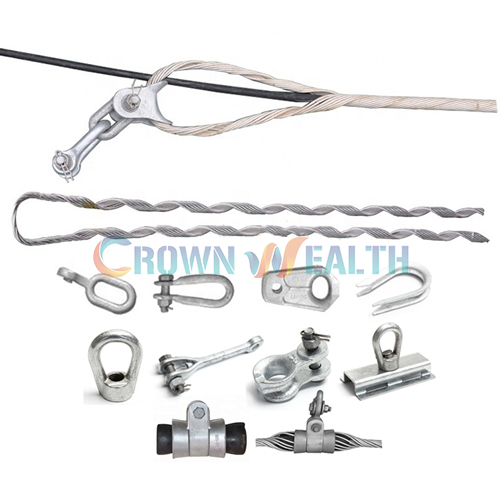
1. Conductor Supporting Hardware
These fittings are used to hold and support conductors along the line:
- Suspension Clamps
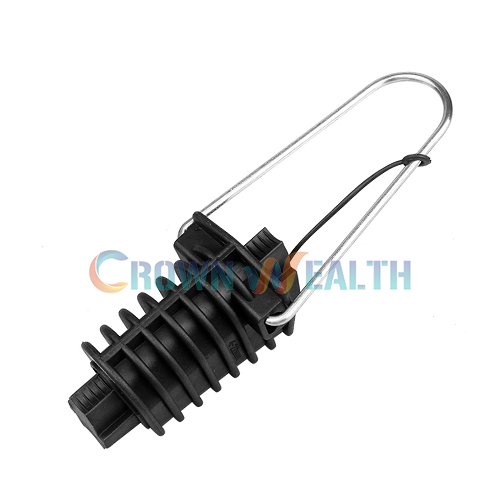
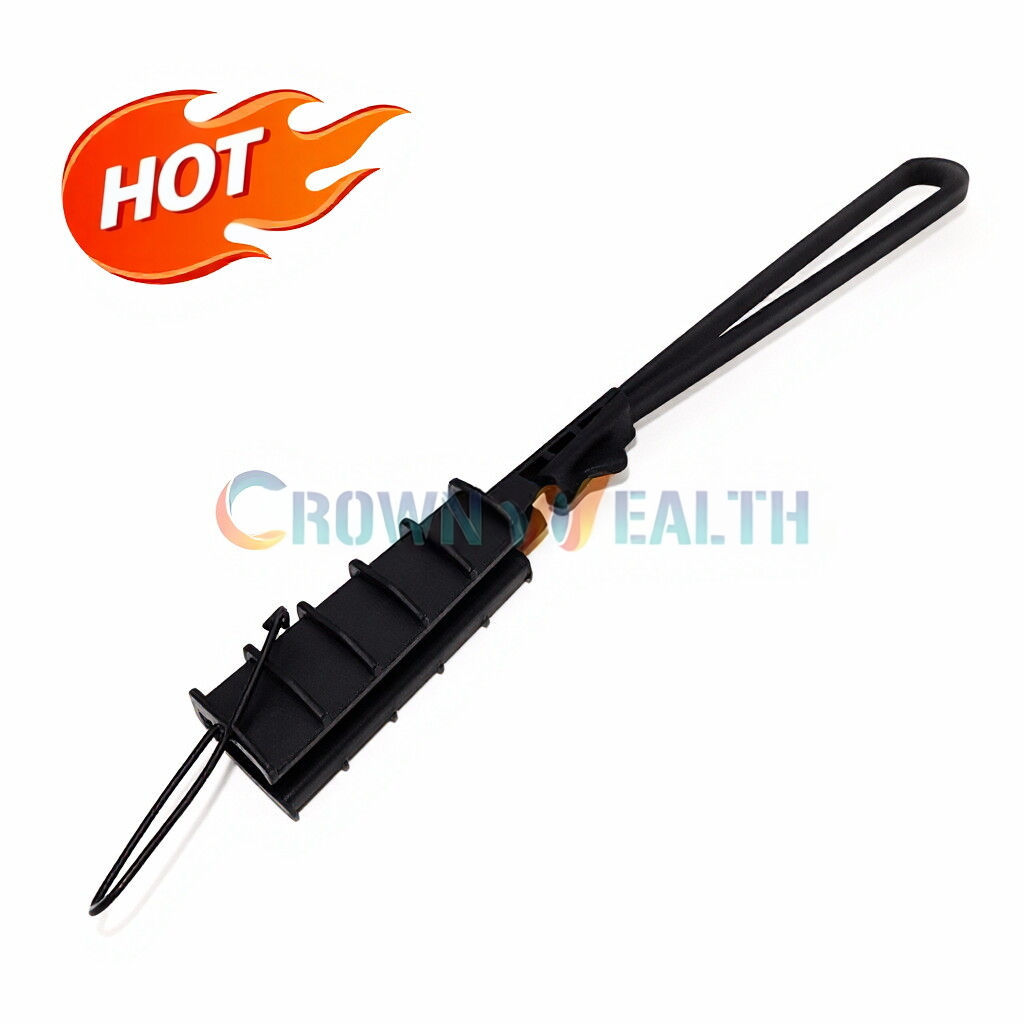
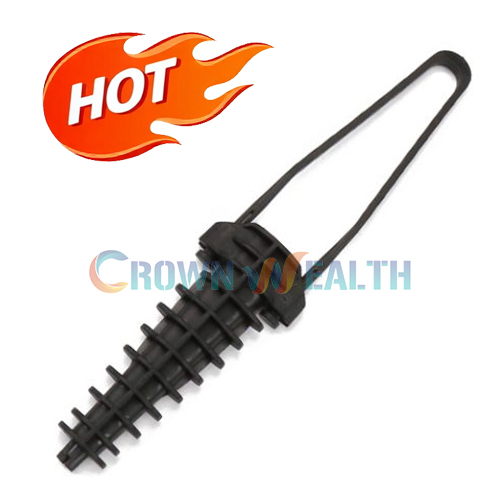
- Tension Clamps (Dead-end Clamps)
- Armor Rods
- Spacer Dampers
They ensure proper conductor positioning and reduce mechanical stress caused by wind and vibration.
2. Insulator Fittings
Insulators are connected using various hardware components:
- Ball and Socket Fittings
- Clevis and Tongue Fittings
- Yoke Plates
- Shackle Links
These components connect insulators to towers and conductors while maintaining electrical insulation.
3. Vibration and Protection Devices
To protect the line from environmental damage:
- Vibration Dampers
- Spacer Dampers (for bundled conductors)
- Arcing Horns
These reduce fatigue and extend the service life of the conductors.
4. Tower and Pole Hardware
Used for structural support:
- Crossarms
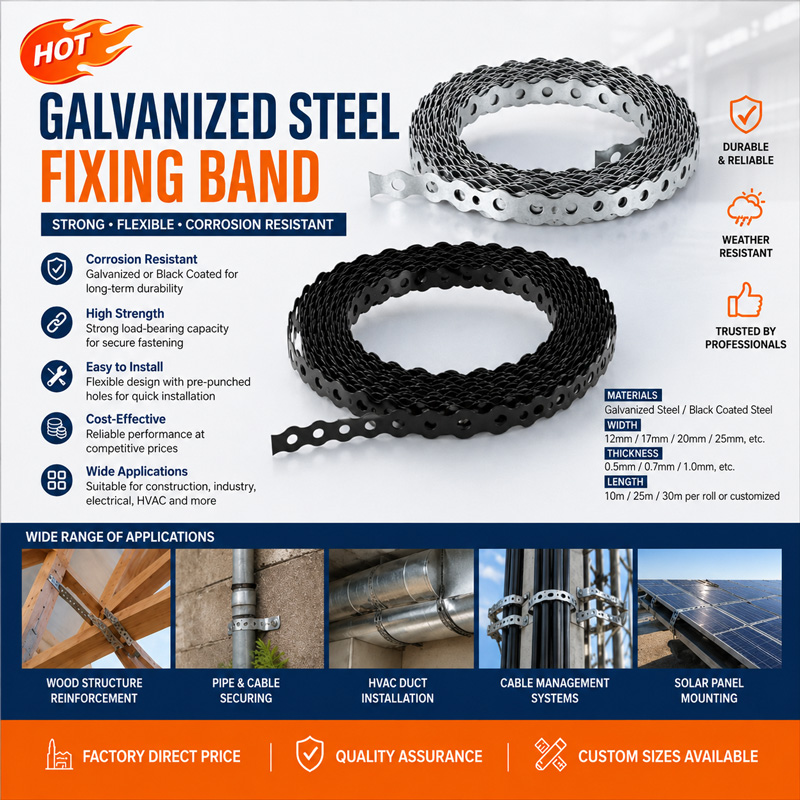
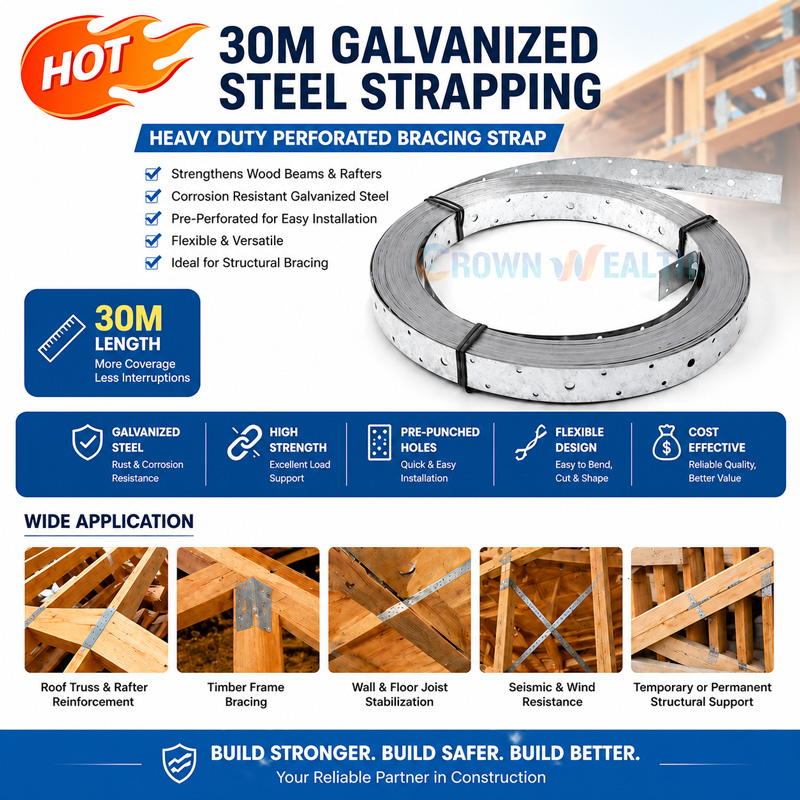
- Pole Bands / Clamps
- U-bolts and Eye Bolts
- Guy Wire Fittings (Turnbuckles, Anchor Rods)
5. Fasteners and Accessories
- Bolts, Nuts, Washers
- Cotter Pins
- Shackles
Though small, these components are essential for system integrity.
Conclusion
A 132kV transmission line project requires a complete system of coordinated hardware, not just individual components. Selecting the right combination based on conductor type, environmental conditions, and load requirements is key to project success.