Selecting the right pole line hardware is essential for ensuring the safety, durability, and efficiency of overhead power line projects. Different voltage levels require different configurations, materials, and performance standards.
This guide explains how to select suitable pole line hardware for 11kV, 33kV, and 132kV applications based on practical project requirements.
1. Understand the Key Differences Between Voltage Levels
The first step in selecting hardware is understanding how requirements change with voltage level.
For 11kV systems, the focus is on cost-effectiveness and ease of installation, as these are typically used in local distribution networks.
For 33kV systems, both mechanical strength and electrical performance become more critical, especially for longer spans and rural electrification.
For 132kV systems, hardware must meet high mechanical loads, strict insulation requirements, and long-term reliability under harsh conditions.
Higher voltage means greater stress on both electrical insulation and mechanical components.
2. Select Hardware Based on Application Type
Pole line hardware varies depending on where it is used in the line.
At suspension points, you will need:
- Suspension clamps
- Crossarms
- Insulators
At dead-end or angle points:
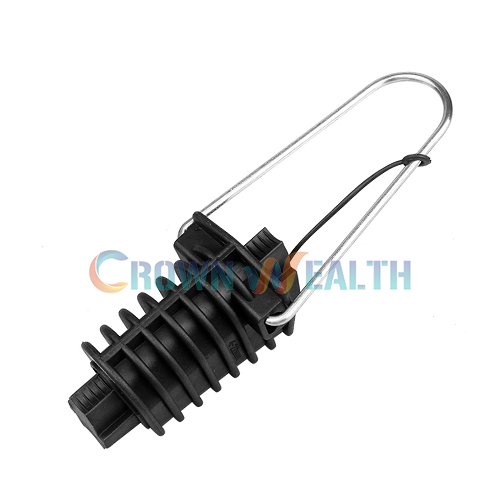
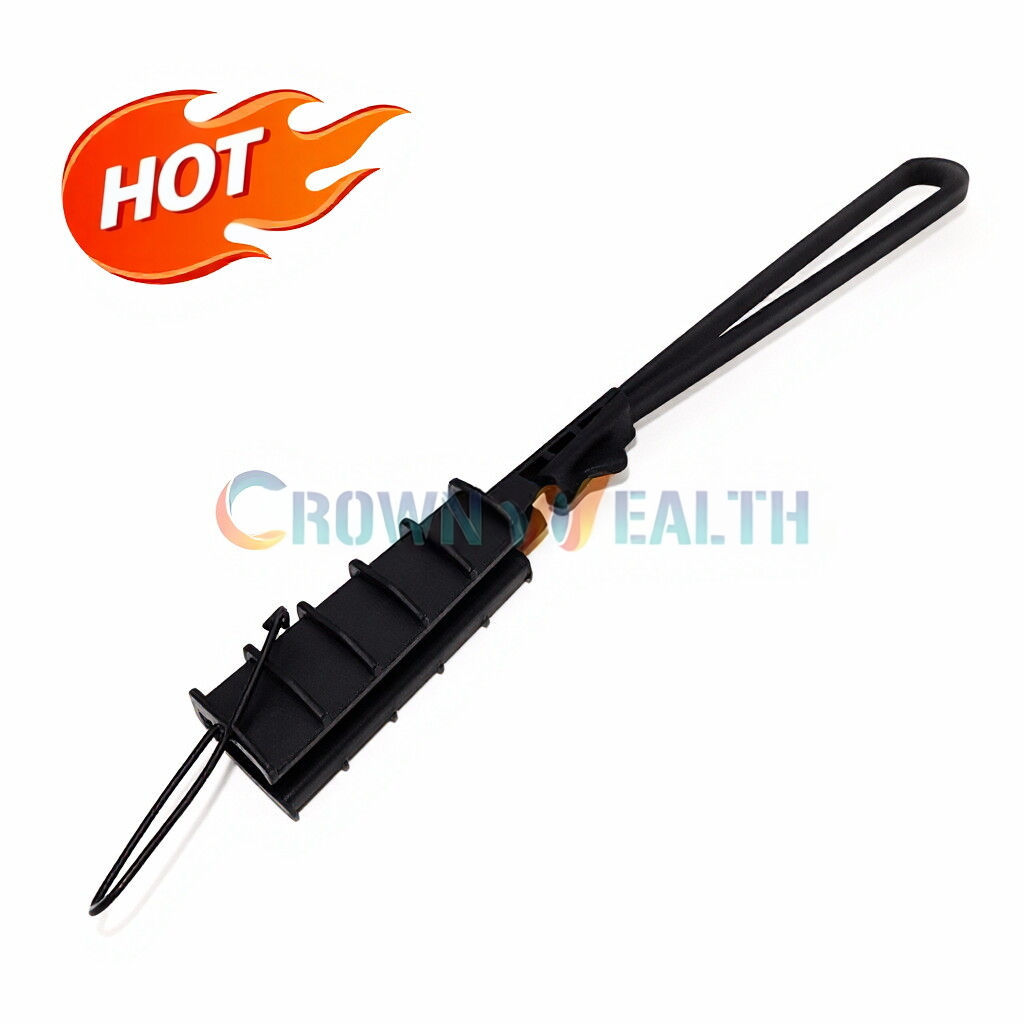
- Tension clamps
- Guy wire fittings
- Anchor rods
For pole structure:
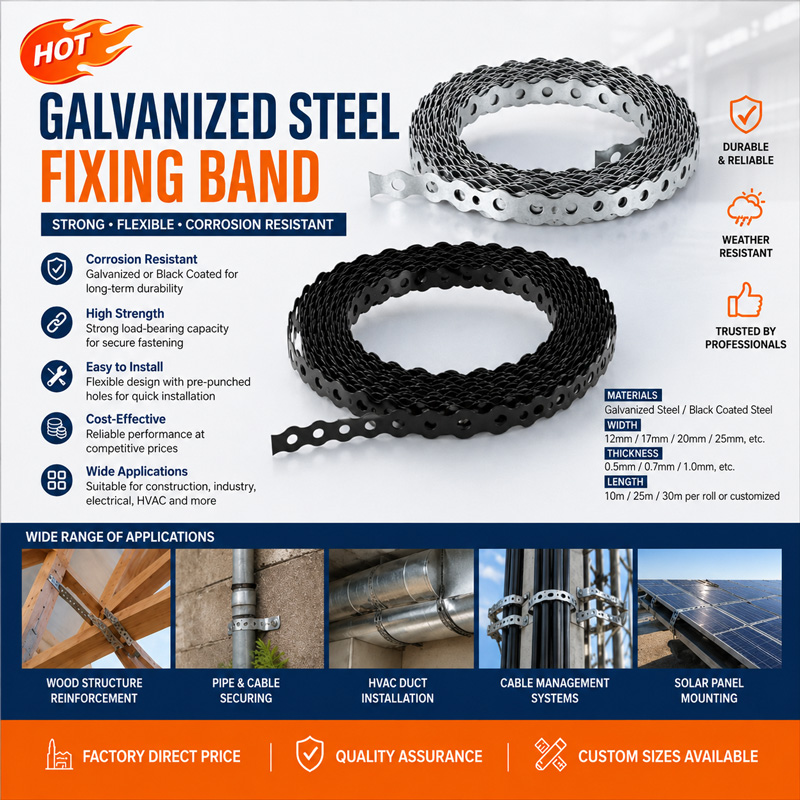
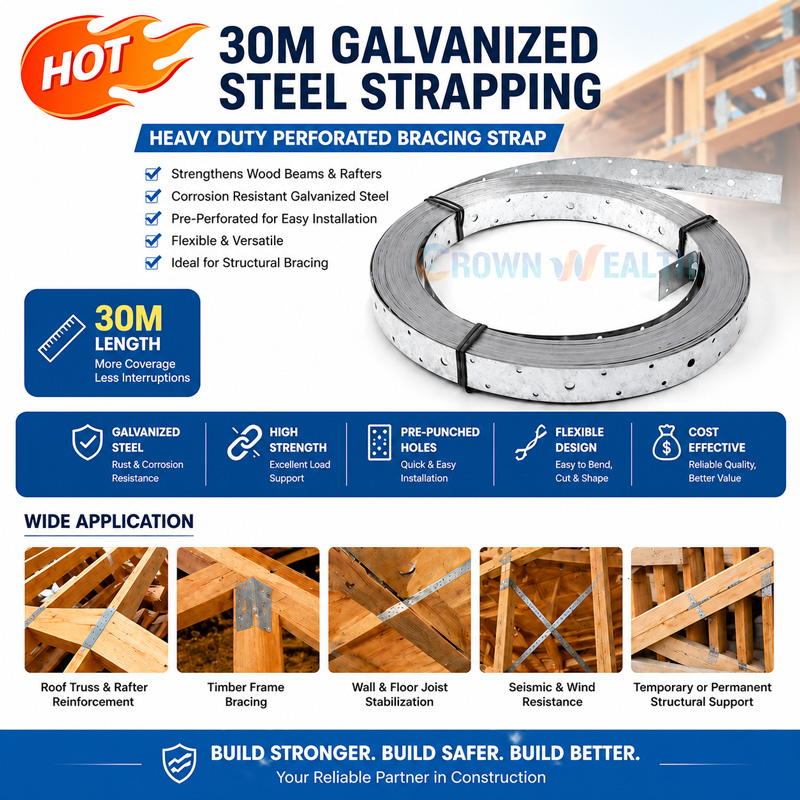
- Pole bands
- U-bolts
- Eye bolts
Each location requires a different combination of fittings, so a complete system view is necessary.
3. Match Hardware with Conductor and Load Requirements
Hardware must be compatible with the conductor used in the project.
Key factors include:
- Conductor type (ACSR, AAAC, AAC)
- Conductor diameter
- Span length
- Mechanical load
As voltage increases, span length and tension loads typically increase as well, requiring stronger and more durable fittings.
A common engineering practice is to ensure hardware strength meets or exceeds the conductor’s mechanical capacity.
4. Consider Insulation Requirements
Insulation coordination becomes more important at higher voltage levels.
For 11kV:
- Pin insulators are commonly used
For 33kV:
- Post insulators or suspension insulators
For 132kV:
- Suspension insulator strings with multiple discs
Hardware must be compatible with the selected insulator type and configuration.
5. Choose the Right Materials and Surface Protection
Environmental conditions play a major role in hardware selection.
Standard option:
- Hot-dip galvanized steel
Alternative options:
- Aluminum alloy (lighter and corrosion-resistant)
- Stainless steel (for highly corrosive environments)
For coastal or industrial areas, higher corrosion resistance is essential to ensure long service life.
6. Ensure Compliance with International Standards
Pole line hardware should comply with recognized standards such as:
- IEC standards
- ASTM standards
- ISO specifications
This ensures:
- Product reliability
- Easier project approval
- Compatibility across systems
7. Plan for Installation and Maintenance
Ease of installation and long-term maintenance should not be overlooked.
Good hardware design should:
- Reduce installation time
- Minimize the need for special tools
- Ensure long-term stability
Poor installation practices can lead to premature failure, even with high-quality materials.
Conclusion
Selecting pole line hardware for 11kV, 33kV, and 132kV projects requires a balance of mechanical strength, insulation performance, environmental resistance, and cost.
Instead of choosing individual components, it is important to consider the entire system as a coordinated solution.
A well-selected hardware system will improve reliability, reduce maintenance, and ensure long-term project success.
Working on a power line project?
We can help you prepare a complete pole line hardware list based on your voltage level, conductor type, and project conditions. Feel free to contact us for technical support and a quotation.