Selecting the right overhead line fittings is essential for the safety, reliability, and long-term performance of any power transmission or distribution project. Incorrect selection can lead to mechanical failure, conductor damage, or increased maintenance costs.
This guide provides a practical approach to choosing the right fittings, along with real application examples.
1. Understand the Role of Overhead Line Fittings
Overhead line fittings are used to:
- Support and secure conductors
- Connect insulators and structures
- Withstand mechanical loads
- Protect against environmental and electrical stress
They are not standalone components but part of a complete system that must work together.
2. Classify the Main Types of Line Fittings
Before selection, it is important to understand the main categories.
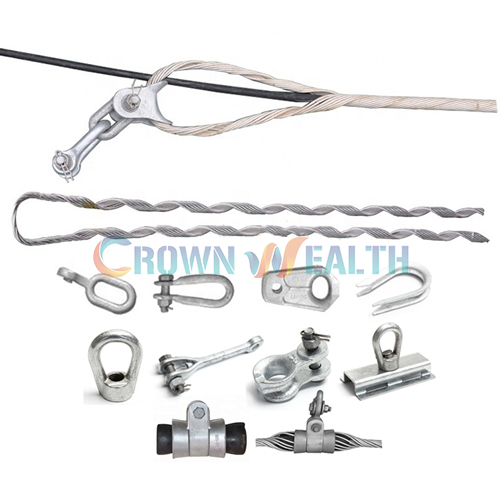
Conductor fittings:
- Suspension clamps
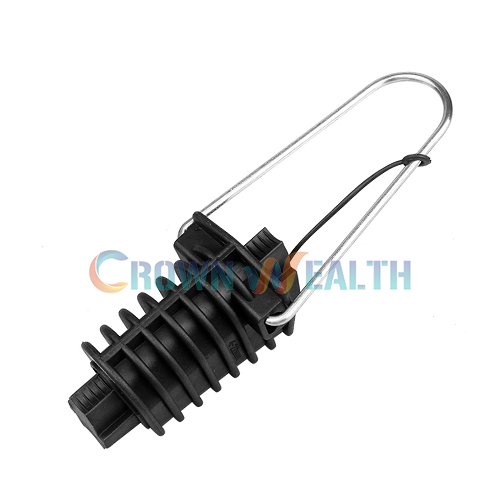
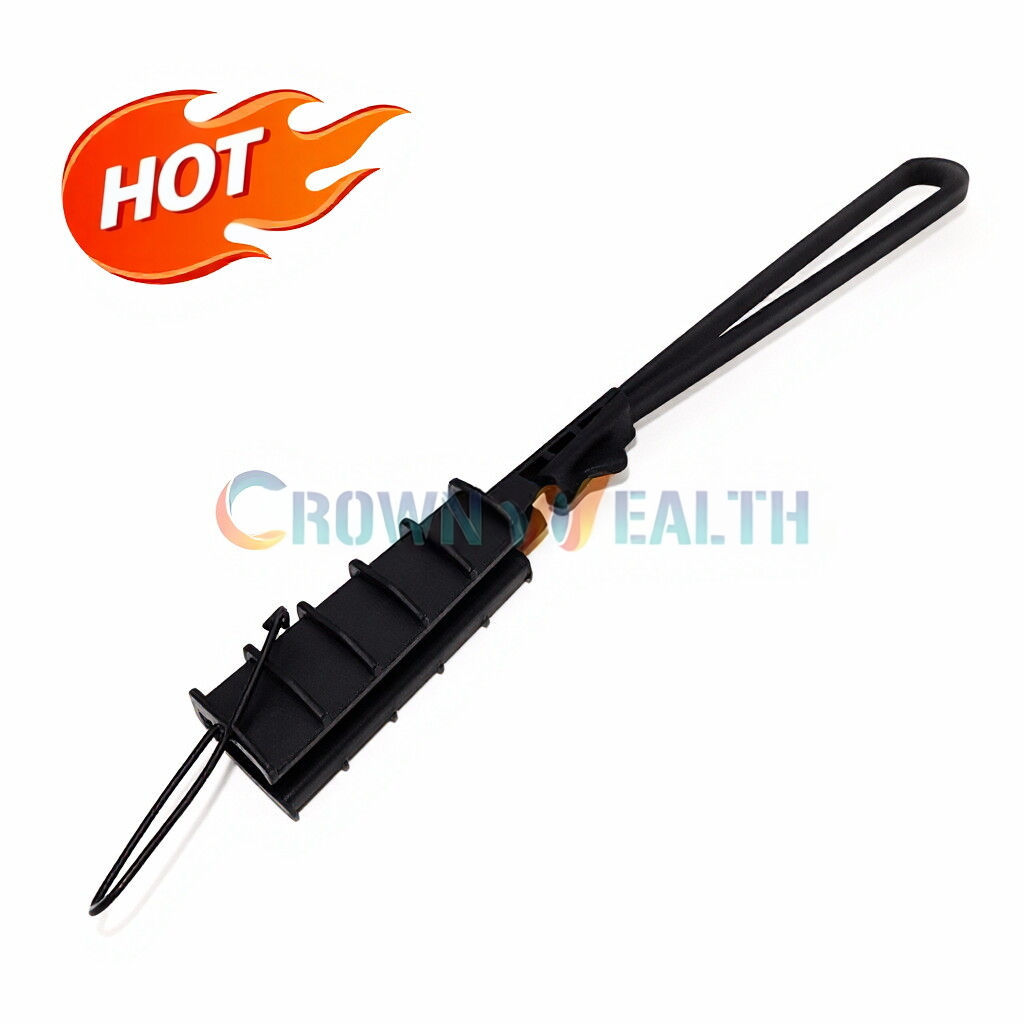
- Tension clamps
- Armor rods
Insulator fittings:
- Ball and socket fittings
- Clevis and tongue fittings
- Yoke plates
Structural fittings:
- Crossarms
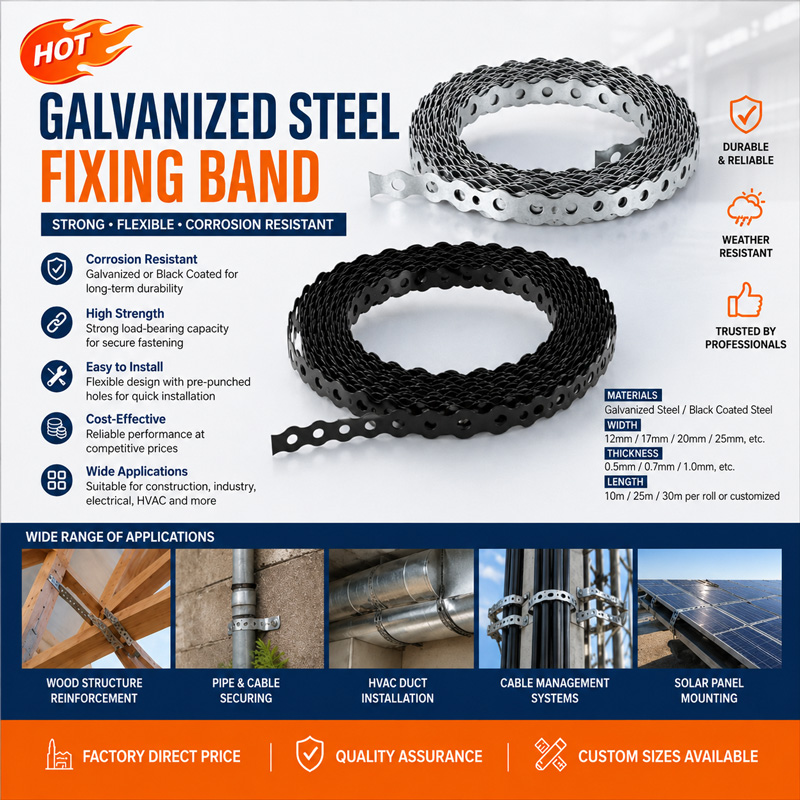
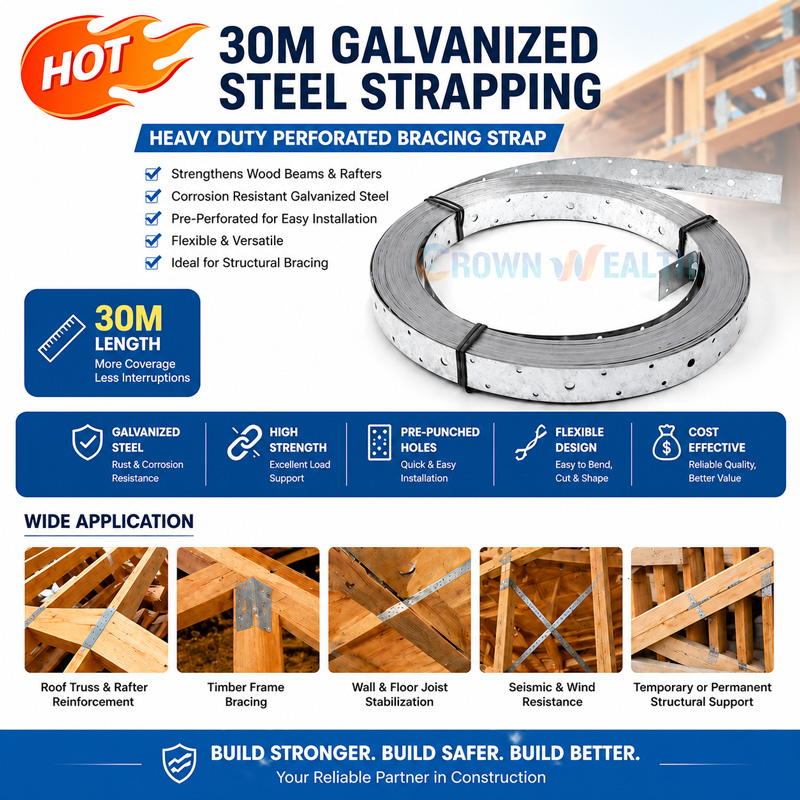
- Pole bands
- U-bolts
Protection devices:
- Vibration dampers
- Spacer dampers
- Arcing horns
Each category serves a different function and must be selected accordingly.
3. Select Based on Voltage Level
Voltage level determines both electrical and mechanical requirements.
For low voltage (below 1kV):
- Simple fittings with basic strength are sufficient
For medium voltage (11kV–33kV):
- Higher insulation performance is required
- Stronger mechanical fittings are needed
For high voltage (66kV–132kV and above):
- Suspension insulator strings are required
- High-strength tension clamps are necessary
- Vibration control becomes critical
Higher voltage systems demand more robust and precisely engineered fittings.
4. Match Fittings with Conductor Type
Always ensure compatibility between fittings and conductors.
Common conductor types:
- ACSR
- AAAC
- AAC
Key parameters:
- Conductor diameter
- Strand structure
- Rated strength
Example:
For ACSR conductors, compression-type tension clamps are often preferred due to their high mechanical strength.
5. Consider Mechanical Load and Span Length
Mechanical load increases with span length, conductor weight, and environmental factors.
Important considerations:
- Rated Failure Load (RFL)
- Safety factor
- Wind and ice load
Example:
For long-span transmission lines, stronger suspension clamps and additional vibration dampers are required.
6. Evaluate Environmental Conditions
Environmental conditions significantly affect material selection.
Typical scenarios:
Coastal areas:
- Require high corrosion resistance
- Use hot-dip galvanized or aluminum alloy fittings
Desert regions:
- High temperature resistance is needed
Industrial areas:
- Protection against chemical corrosion is essential
Choosing the wrong material can drastically shorten service life.
7. Ensure Compliance with Standards
Always select fittings that comply with international standards such as:
- IEC standards
- ASTM standards
- ISO specifications
This ensures consistency, reliability, and easier project approval.
8. Example 1: 33kV Distribution Line
Typical configuration includes:
- Suspension clamps for straight sections
- Tension clamps for dead-end points
- Pin or post insulators
- Pole bands and crossarms
- Basic vibration protection
This setup balances cost and performance.
9. Example 2: 132kV Transmission Line
Typical configuration includes:
- High-strength tension clamps
- Suspension insulator strings
- Yoke plates and link fittings
- Spacer dampers for bundled conductors
- Advanced vibration control devices
This system is designed for high mechanical loads and long-term reliability.
Conclusion
Selecting overhead line fittings is not just about choosing individual products. It requires a system-level approach that considers voltage, conductor type, mechanical load, and environmental conditions.
A well-designed fitting system will:
- Improve reliability
- Reduce maintenance
- Extend service life
Working on a transmission or distribution project?
We can help you prepare a complete overhead line fittings solution tailored to your technical requirements. Feel free to contact us for technical support and a quotation.