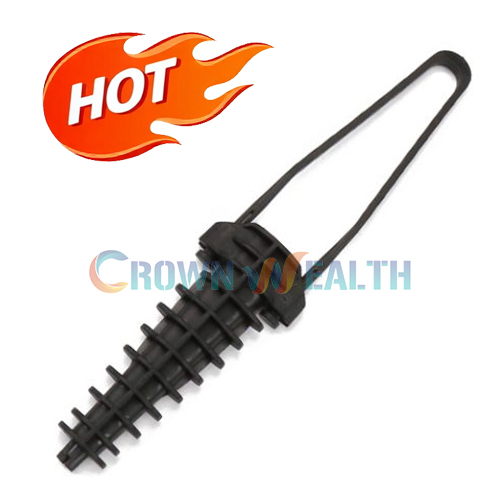
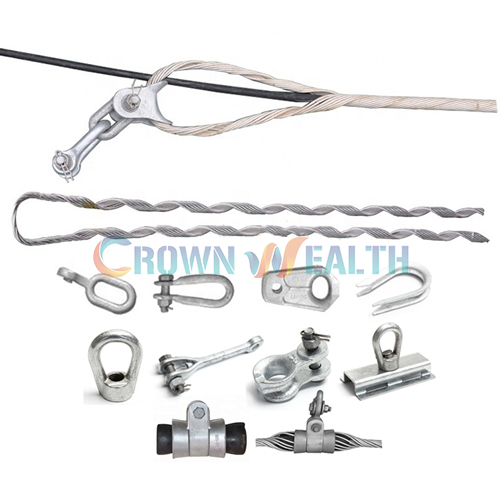
Selecting the correct line hardware for a given conductor size is essential for ensuring the safety, reliability, and longevity of overhead transmission and distribution lines. A mismatch between conductor and hardware can lead to slippage, strand damage, or even mechanical failure.
This guide explains how to properly match conductor size with suitable line hardware based on practical engineering principles.
1. Understand Why Conductor Matching Matters
Line hardware is designed to grip, support, and protect the conductor. If the hardware does not match the conductor size and structure, it may:
- Fail to hold the conductor securely
- Cause uneven stress distribution
- Damage outer strands
- Reduce overall system reliability
Proper matching ensures both mechanical performance and electrical integrity.
2. Identify the Conductor Type
The first step is to determine the conductor type, as different materials require different hardware designs.
Common conductor types include:
- ACSR (Aluminum Conductor Steel Reinforced)
- AAAC (All Aluminum Alloy Conductor)
- AAC (All Aluminum Conductor)
Each type has different strength, flexibility, and surface characteristics, which affect hardware selection.
3. Determine the Conductor Diameter and Range
Every line hardware product is designed for a specific conductor diameter range.
Key parameter:
- Outside diameter (OD) of the conductor
Important rule:
The conductor diameter must fall within the specified range of the hardware.
If the conductor is too small, it may slip.
If it is too large, installation may damage the conductor.
Always refer to the manufacturer’s technical data for proper matching.
4. Select the Appropriate Clamp Type
Different clamp types are suitable for different conductor sizes and applications.
For smaller conductors:
- Bolted clamps are often sufficient
- Easy to install and adjust
For medium to large conductors:
- Compression clamps provide stronger grip
- Suitable for higher tension loads
For sensitive conductors:
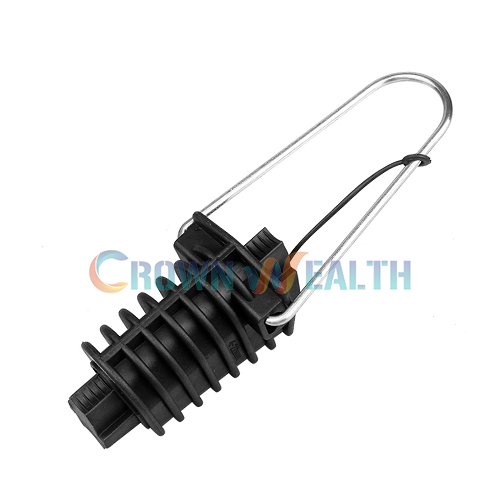
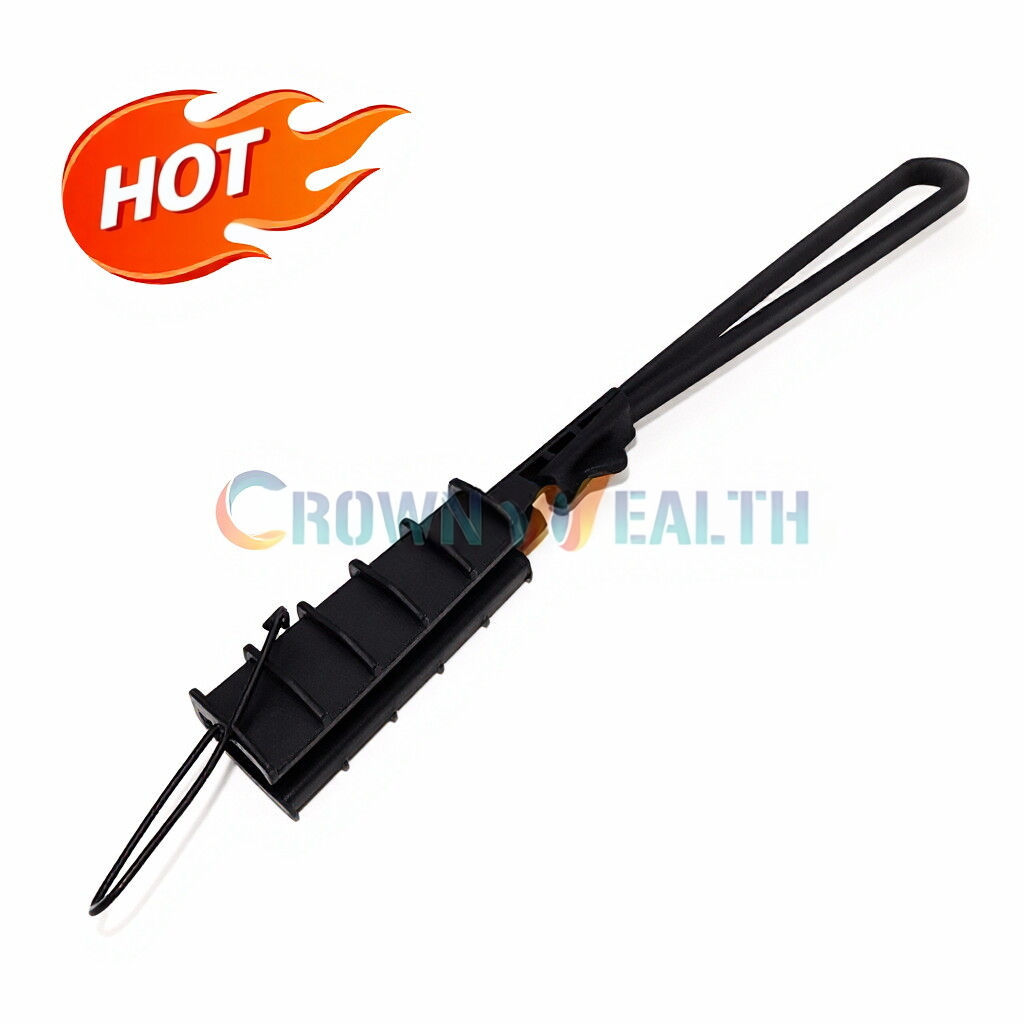
- Preformed clamps are preferred
- Provide even pressure and avoid strand damage
The choice depends on both conductor size and application conditions.
5. Check Mechanical Strength Compatibility
Hardware must be strong enough to handle the mechanical load of the conductor.
Key factors:
- Rated Failure Load (RFL) of the hardware
- Rated tensile strength of the conductor
Recommended practice:
Hardware strength should be close to or exceed the conductor strength, typically around 95% or higher.
This ensures safety under extreme conditions such as wind, ice, and tension imbalance.
6. Consider Installation Conditions
Installation methods can influence hardware selection.
Questions to consider:
- Is hydraulic compression equipment available?
- Is installation done in remote areas?
- Is speed of installation important?
Example:
In remote projects, preformed clamps are often preferred due to ease of installation and reduced need for heavy equipment.
7. Evaluate Environmental Factors
Environmental conditions affect both conductor and hardware performance.
Key considerations:
- Corrosion (coastal or humid environments)
- Temperature (desert or cold regions)
- Pollution (industrial areas)
Material selection:
- Hot-dip galvanized steel for general use
- Aluminum alloy for corrosion resistance
- Special coatings for harsh environments
Matching hardware with environmental conditions extends service life.
8. Example Applications
Example 1: 11kV Distribution Line
- Conductor: AAC or AAAC
- Hardware: Bolted suspension clamps
- Features: Simple installation and cost-effective
Example 2: 33kV Line
- Conductor: ACSR medium size
- Hardware: Compression tension clamps
- Features: Balanced strength and reliability
Example 3: 132kV Transmission Line
- Conductor: Large ACSR or bundled conductors
- Hardware: High-strength compression clamps with vibration protection
- Features: Designed for high load and long span
Conclusion
Matching conductor size with suitable line hardware is a critical step in overhead line design. It requires careful consideration of conductor type, diameter, mechanical strength, installation conditions, and environment.
A proper match will:
- Ensure secure conductor holding
- Prevent damage and failure
- Improve long-term performance
Working on a power line project?
We can help you select the right hardware based on your conductor specifications and project requirements. Feel free to contact us for technical support and a quotation.