Buying pole line hardware is not just a purchasing task—it is a critical decision that directly affects the safety, reliability, and lifespan of your power line project.
Many project delays, failures, and unexpected costs are caused by avoidable mistakes during procurement.
In this article, we highlight seven common mistakes buyers make when purchasing pole line hardware and how to avoid them.
1. Choosing Based on Price Alone
Focusing only on the lowest price is one of the biggest mistakes.
Low-cost products may:
- Use inferior materials
- Have insufficient galvanizing thickness
- Fail under load
This often leads to higher long-term costs due to repairs or replacements.
What to do instead:
Evaluate total value, including quality, performance, and lifespan—not just price.
2. Ignoring Conductor Compatibility
Not all hardware fits all conductors.
Common issues include:
- Incorrect clamp size
- Mismatch with conductor type (ACSR, AAAC, AAC)
- Poor grip or conductor damage
What to do instead:
Always match hardware specifications with conductor size, type, and structure.
3. Overlooking Mechanical Strength Requirements
Hardware must withstand mechanical loads from the conductor and environment.
Mistakes include:
- Selecting products with low Rated Failure Load (RFL)
- Ignoring wind, ice, and tension conditions
What to do instead:
Ensure hardware strength meets or exceeds project requirements with an adequate safety margin.
4. Neglecting Environmental Conditions
Environmental factors are often underestimated.
Risks include:
- Corrosion in coastal or humid areas
- High temperatures in desert regions
- Chemical exposure in industrial zones
What to do instead:
Choose appropriate materials such as hot-dip galvanized steel or corrosion-resistant alloys based on the environment.
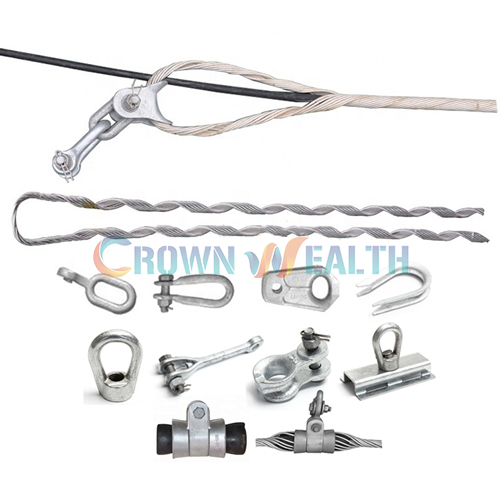
5. Buying Components Instead of a Complete System
Some buyers purchase hardware piece by piece without considering system compatibility.
This can lead to:
- Mismatched components
- Installation difficulties
- Reduced performance
What to do instead:
Work with suppliers who can provide a complete pole line hardware solution.
6. Ignoring Standards and Certifications
Using non-standard products can cause serious problems:
- Project rejection
- Safety risks
- Inconsistent quality
What to do instead:
Ensure products comply with international standards such as IEC, ASTM, or relevant local standards.
7. Underestimating Installation and Maintenance Needs
Hardware that is difficult to install or maintain can increase project costs.
Common issues:
- Complex installation procedures
- Need for special tools
- Frequent maintenance
What to do instead:
Select hardware that is easy to install, reliable, and requires minimal maintenance.
Conclusion
Avoiding these common mistakes can significantly improve the success of your project.
Smart procurement decisions will help you:
- Reduce risk
- Control costs
- Improve system reliability
- Extend service life
Buying pole line hardware is not just about products—it is about choosing a reliable and compatible system.
Working on a power line project?
We can help you select the right hardware and provide a complete solution tailored to your requirements. Feel free to contact us for technical support and a quotation.