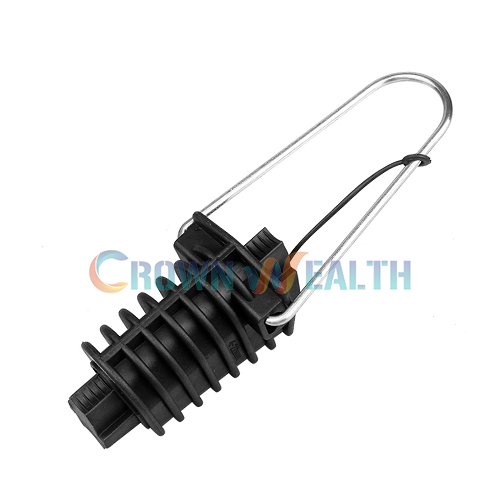
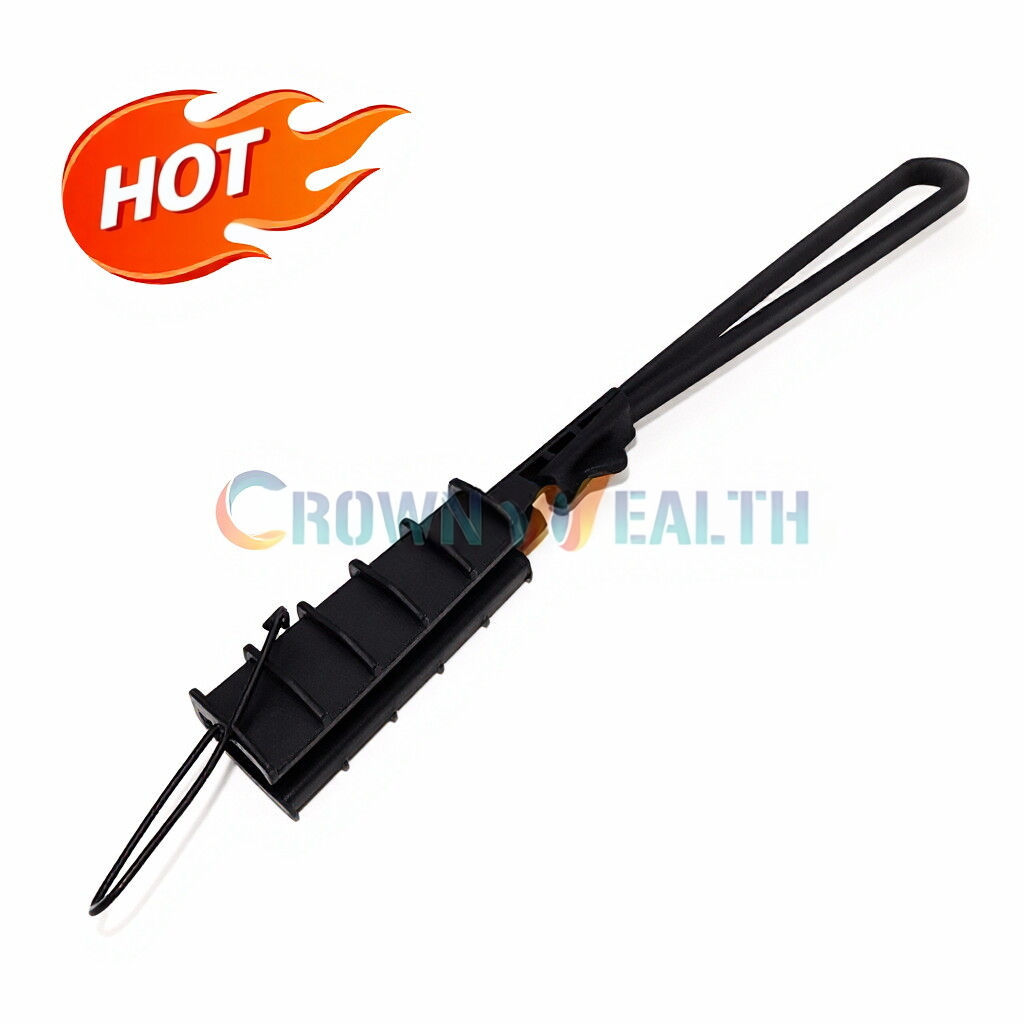
In overhead transmission and distribution projects, galvanizing quality is often overlooked during procurement. However, it plays a critical role in determining the lifespan and reliability of pole line hardware.
Low-quality galvanizing can lead to premature failure, increased maintenance costs, and even serious safety risks.
This article explains why galvanizing quality matters and how poor galvanizing can negatively impact your project.
1. What Is Galvanizing and Why It Matters
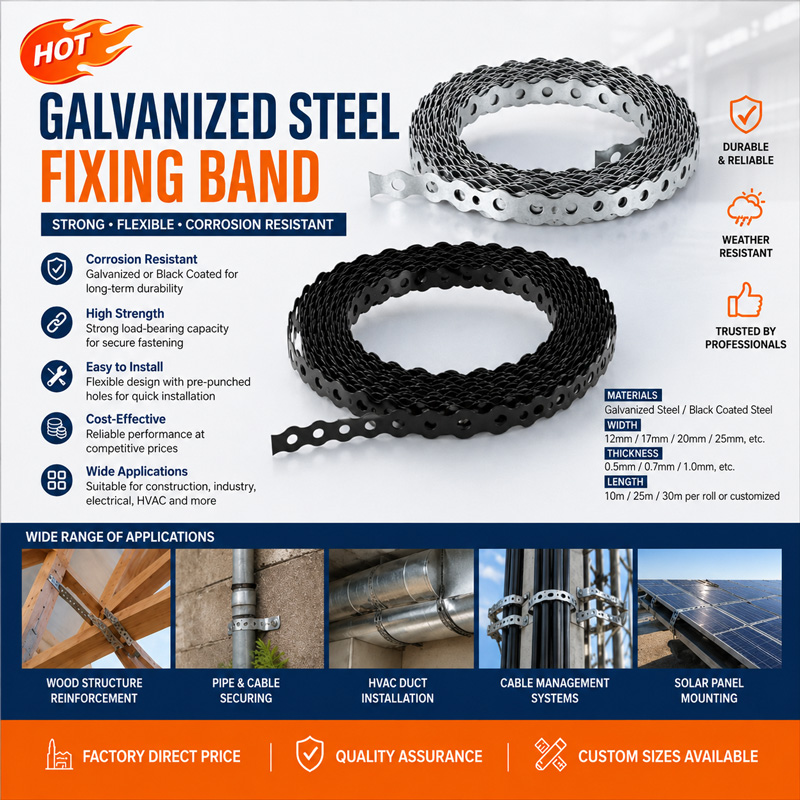
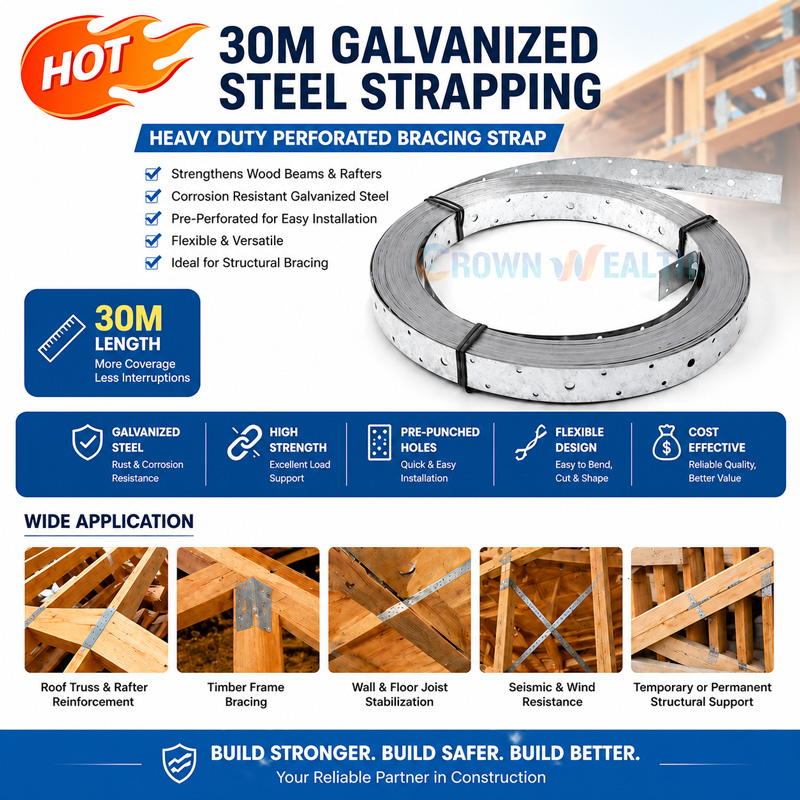
Galvanizing is the process of applying a protective zinc coating to steel components to prevent corrosion.
In pole line hardware, hot-dip galvanizing is the most commonly used method because it provides:
- Long-term corrosion protection
- Resistance to harsh environmental conditions
- Extended service life
Without proper galvanizing, steel components can quickly deteriorate when exposed to moisture, air, and pollutants.
2. The Hidden Risks of Low-Quality Galvanizing
Poor galvanizing may not be visible at first, but it can cause serious problems over time.
Common issues include:
Thin coating thickness
- Insufficient zinc layer reduces protection
- Corrosion begins much earlier than expected
Uneven coating
- Weak spots are more vulnerable to rust
- Leads to localized failure
Poor adhesion
- Coating may peel or flake off
- Exposes bare steel to the environment
These defects significantly reduce the durability of the hardware.
3. Impact on Project Performance
Low-quality galvanizing can affect your project in several ways:
Reduced lifespan
Hardware may fail years earlier than designed
Increased maintenance costs
Frequent inspections, repairs, and replacements are required
Structural risks
Corroded components lose strength and may fail under load
Project delays
Unexpected failures can interrupt construction or operation
In large-scale projects, these issues can result in substantial financial losses.
4. High-Risk Environments
The impact of poor galvanizing is even more severe in certain environments.
Coastal areas
- High salt content accelerates corrosion
Tropical and humid regions
- Constant moisture exposure increases rust formation
Industrial zones
- Chemical pollutants attack protective coatings
In such conditions, high-quality galvanizing is not optional—it is essential.
5. How to Identify Good Galvanizing Quality
To avoid problems, it is important to verify galvanizing quality before purchasing.
Key indicators include:
- Compliance with standards such as ASTM A153 or ISO 1461
- Adequate coating thickness
- Smooth and uniform surface
- Strong adhesion without peeling
Requesting test reports and inspection certificates is highly recommended.
6. How to Protect Your Project
To ensure long-term performance:
- Work with reliable suppliers
- Specify galvanizing standards clearly in procurement documents
- Conduct quality inspections before shipment
- Choose higher protection levels for harsh environments
A small investment in better galvanizing can prevent major losses later.
Conclusion
Galvanizing is not just a surface treatment—it is a critical factor that determines the durability and safety of your entire power line system.
Low-quality galvanizing may reduce initial costs, but it often leads to higher risks, higher maintenance costs, and shorter service life.
Choosing the right galvanizing quality is a smart investment in your project’s long-term success.
Working on a power line project?
We can provide pole line hardware with high-quality hot-dip galvanizing that meets international standards. Feel free to contact us for technical details and a quotation.