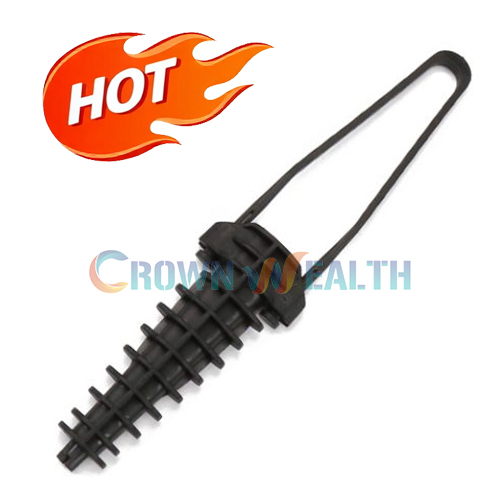
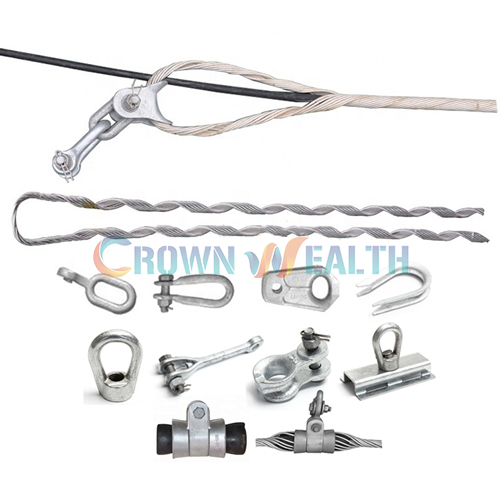
Identifying poor quality overhead line fittings before installation is critical for avoiding failures, delays, and costly rework. Once fittings are installed, replacing defective components becomes time-consuming and expensive.
This guide explains how to detect quality issues early, using practical inspection methods that can be applied on-site or during receiving checks.
1. Check Surface Finish and Galvanizing Quality
The first visual inspection step is to examine the surface.
Good quality fittings should have:
- Smooth and uniform galvanizing
- No visible rust or dark spots
- No peeling, flaking, or blistering
Warning signs of poor quality:
- Rough or uneven coating
- Exposed steel areas
- Excessive zinc buildup or drips
These defects indicate poor galvanizing, which can lead to early corrosion.
2. Verify Dimensions and Tolerances
Incorrect dimensions can cause serious installation problems.
What to check:
- Clamp opening size
- Hole alignment
- Bolt and thread accuracy
Common issues:
- Parts do not fit properly
- Misalignment during installation
- Excessive force required to assemble
Always compare actual dimensions with technical drawings or specifications.
3. Inspect Mechanical Integrity
Even before testing, basic checks can reveal structural weaknesses.
Look for:
- Cracks or deformation
- Sharp edges that may damage conductors
- Poor welding quality
For critical components, consider:
- Load testing
- Material verification
Weak structures may fail under tension or environmental stress.
4. Confirm Material and Coating Specifications
Not all fittings are made from the same materials.
Key checks:
- Verify material grade (steel, aluminum alloy, etc.)
- Confirm galvanizing standard (such as ASTM or ISO)
- Review test reports or certificates
If documentation is missing or unclear, it increases the risk of substandard products.
5. Check Compatibility with Conductors and Other Components
Fittings must match the system they are used in.
Important points:
- Correct conductor diameter range
- Compatibility with insulators and other fittings
- Proper matching of bolts and accessories
Mismatched components can lead to poor performance or installation failure.
6. Evaluate Packaging and Handling Condition
Damage during transportation can affect quality.
Inspect for:
- Deformation due to improper stacking
- Scratches or coating damage
- Missing parts or accessories
Poor packaging often reflects poor quality control.
7. Review Supplier Quality Control
A reliable supplier should provide:
- Inspection reports
- Quality certificates
- Traceability information
If the supplier cannot provide basic documentation, it is a warning sign.
Conclusion
Identifying poor quality overhead line fittings before installation can prevent major project risks.
By checking surface quality, dimensions, strength, materials, compatibility, and documentation, you can detect most issues early.
A proactive inspection approach will help you:
- Avoid installation delays
- Reduce maintenance costs
- Improve system reliability
Quality control should start before installation—not after failure.
Working on a power line project?
We can provide fully inspected and standards-compliant overhead line fittings to ensure reliable performance. Feel free to contact us for technical support and a quotation.