Rural electrification projects require careful planning and selection of materials to ensure reliable power delivery in remote areas. A comprehensive material list helps avoid delays, minimize maintenance, and optimize project cost.
This article provides a complete overview of materials commonly used in rural electrification projects.
1. Poles and Structural Components
Poles provide the main support for overhead lines. The choice depends on voltage level, environmental conditions, and availability of materials.
Typical materials:
- Wooden poles (treated for decay and insect resistance)
- Concrete poles (precast or spun)
- Steel poles (hot-dip galvanized)
Structural accessories:
- Crossarms
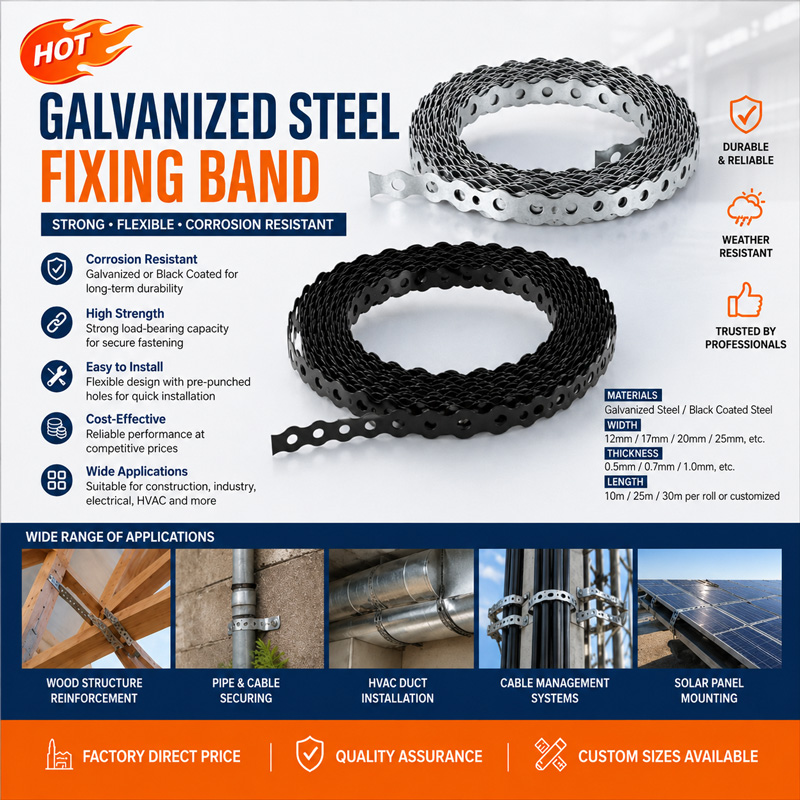
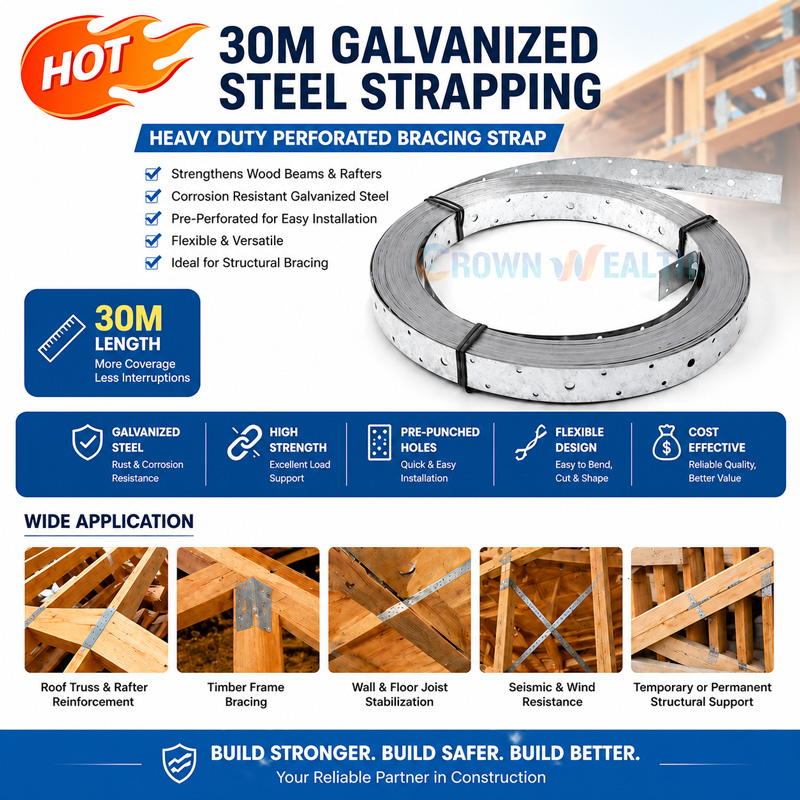
- Pole bands
- Brackets and support plates
- Guy wires and anchor systems
2. Conductors and Fittings
The conductor carries electricity from the substation to consumers. The type and size depend on load requirements and line length.
Common conductor types:
- AAC (All Aluminum Conductor)
- AAAC (All Aluminum Alloy Conductor)
- ACSR (Aluminum Conductor Steel Reinforced)
Supporting hardware:
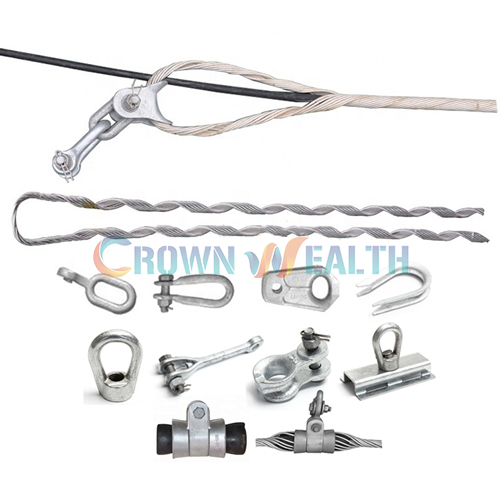
- Suspension clamps
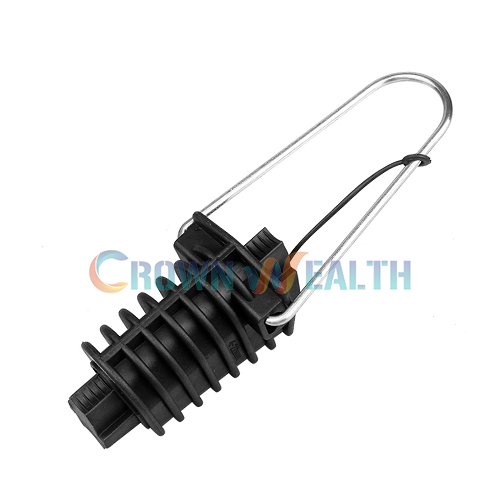
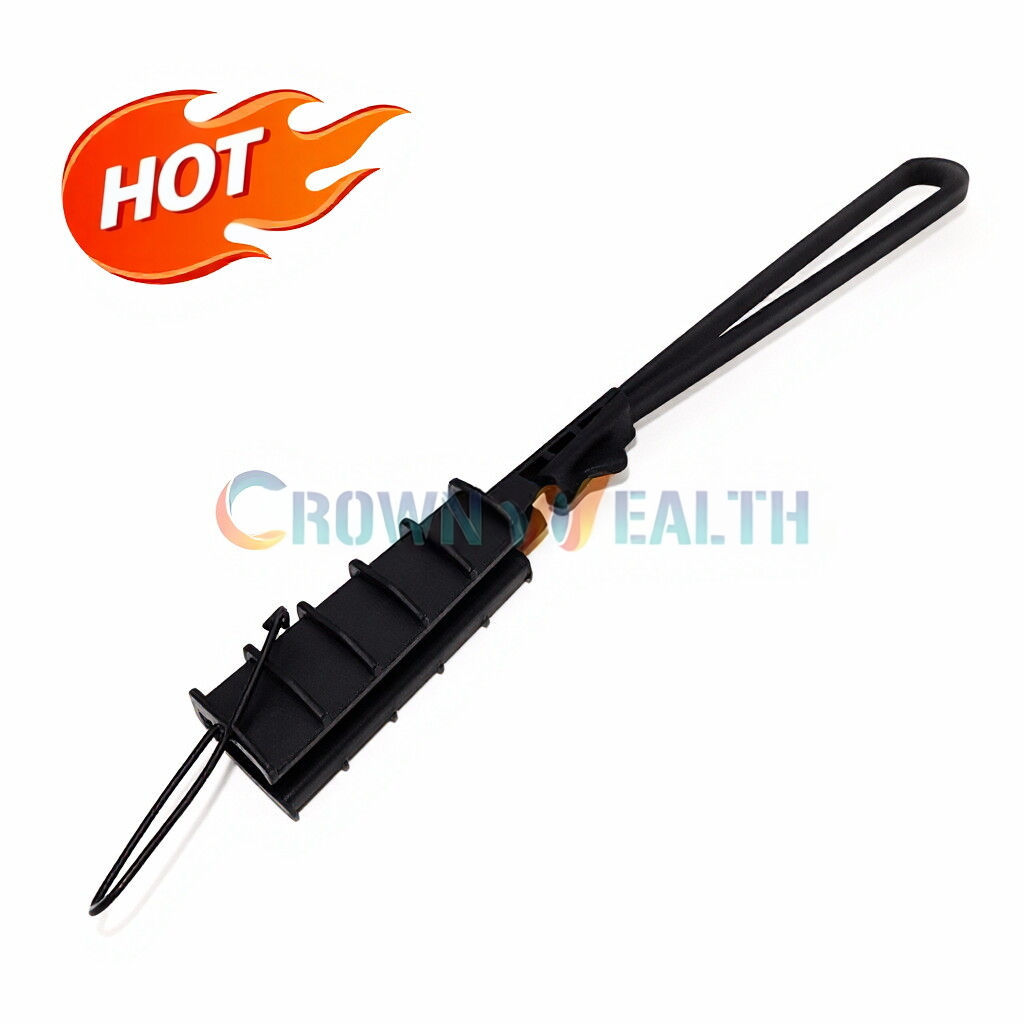
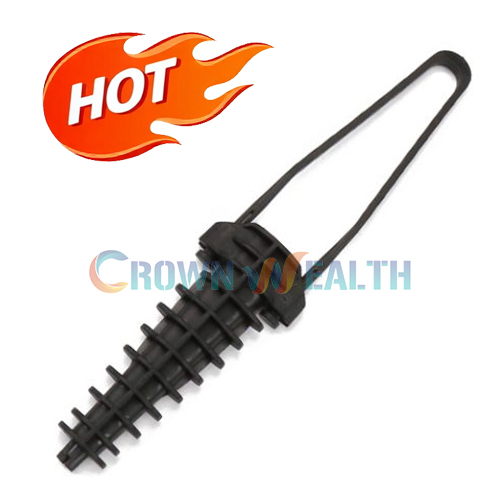
- Tension clamps (dead-end clamps)
- Armor rods
- Spacer dampers (for bundled conductors)
3. Insulators and Associated Hardware
Insulators prevent current leakage and maintain electrical safety.
- Pin insulators (for low voltage and distribution lines)
- Post insulators (for medium voltage)
- Suspension insulator strings (for high voltage lines)
Insulator fittings:
- Ball and socket fittings
- Clevis and tongue fittings
- Yoke plates
- Link fittings
4. Earthing and Lightning Protection
Earthing ensures safety for both people and equipment. Lightning protection protects the system from transient overvoltages.
Typical components:
- Grounding rods and conductors
- Ground clamps and connectors
- Lightning arresters
- Surge protection devices
5. Fasteners and Accessories
Small components are critical for structural integrity.
- Bolts, nuts, and washers
- Shackles and eyebolts
- Cotter pins
- Braces and straps
6. Tools and Installation Accessories
Proper tools ensure correct and safe installation.
- Hydraulic compression tools (for clamps)
- Torque wrenches
- Lifting and rigging equipment
- Safety gear (helmets, gloves, harnesses)
7. Material Quality and Standards
Materials should meet recognized international or local standards to ensure durability and safety.
- Hot-dip galvanized steel for corrosion resistance
- Treated wooden poles to prevent decay
- Conductors with verified mechanical and electrical ratings
- Insulators complying with IEC or ANSI standards
8. Key Considerations for Rural Electrification
- Environmental conditions: humidity, rainfall, temperature extremes
- Accessibility for transportation and installation
- Cost-effectiveness and availability of materials
- Long-term maintenance requirements
Conclusion
A complete material list is essential for the successful implementation of rural electrification projects. Proper planning and material selection reduce risk, improve reliability, and ensure long-term service.
Working on a rural electrification project?
We can provide a full list of pole line hardware, conductors, insulators, and accessories tailored to your project specifications. Feel free to contact us for technical support and a quotation.