Delivering a successful 33kV overhead line project requires more than just supplying components. It involves careful planning, precise design, and timely delivery of all hardware to ensure safe, reliable, and efficient power distribution.
This article walks through the process of providing overhead line hardware for a 33kV project—from design to delivery.
1. Project Overview
A recent 33kV distribution line project aimed to connect rural communities to the power grid. The key objectives were:
- Reliable electricity supply
- Cost-effective and durable hardware solutions
- Efficient installation in remote areas
Voltage level: 33kV
Line type: Medium-voltage overhead distribution
Scope: Full overhead line hardware supply, including conductor fittings, insulators, and structural components
2. Design Phase
During the design phase, several factors were considered to ensure proper hardware selection:
- Voltage level: 33kV requires medium-voltage rated insulators and fittings
- Conductor type: AAC, AAAC, or ACSR, depending on load and span
- Mechanical load: Span length, wind, and tension forces
- Environmental conditions: Humidity, rainfall, and potential corrosion risks
Key design deliverables included:
- Complete bill of materials (BOM)
- Hardware specifications for poles, conductors, and insulators
- Structural analysis for crossarms and fittings
3. Hardware Selection
After finalizing the design, hardware was carefully selected to match technical and environmental requirements.
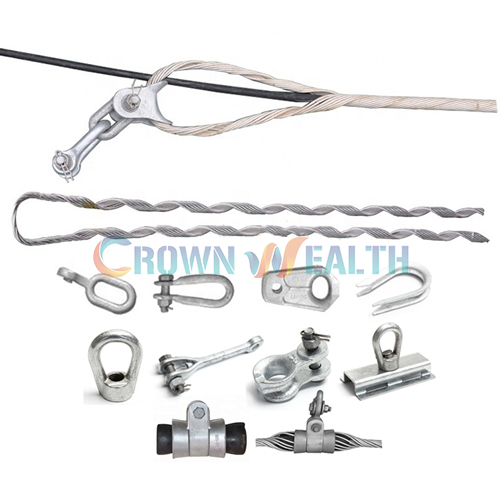
Conductor Fittings:
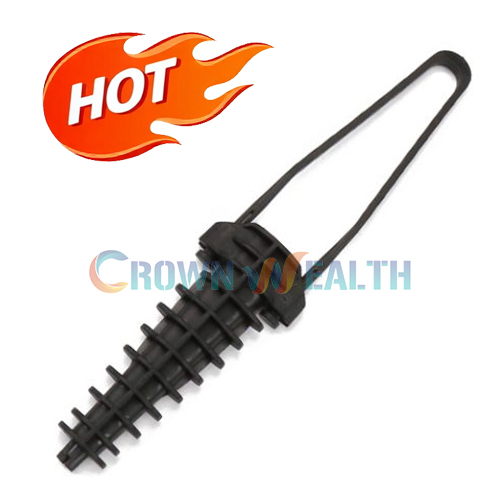
- Suspension clamps for straight sections
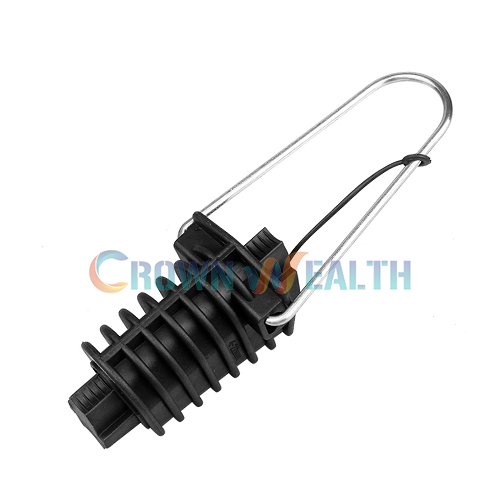
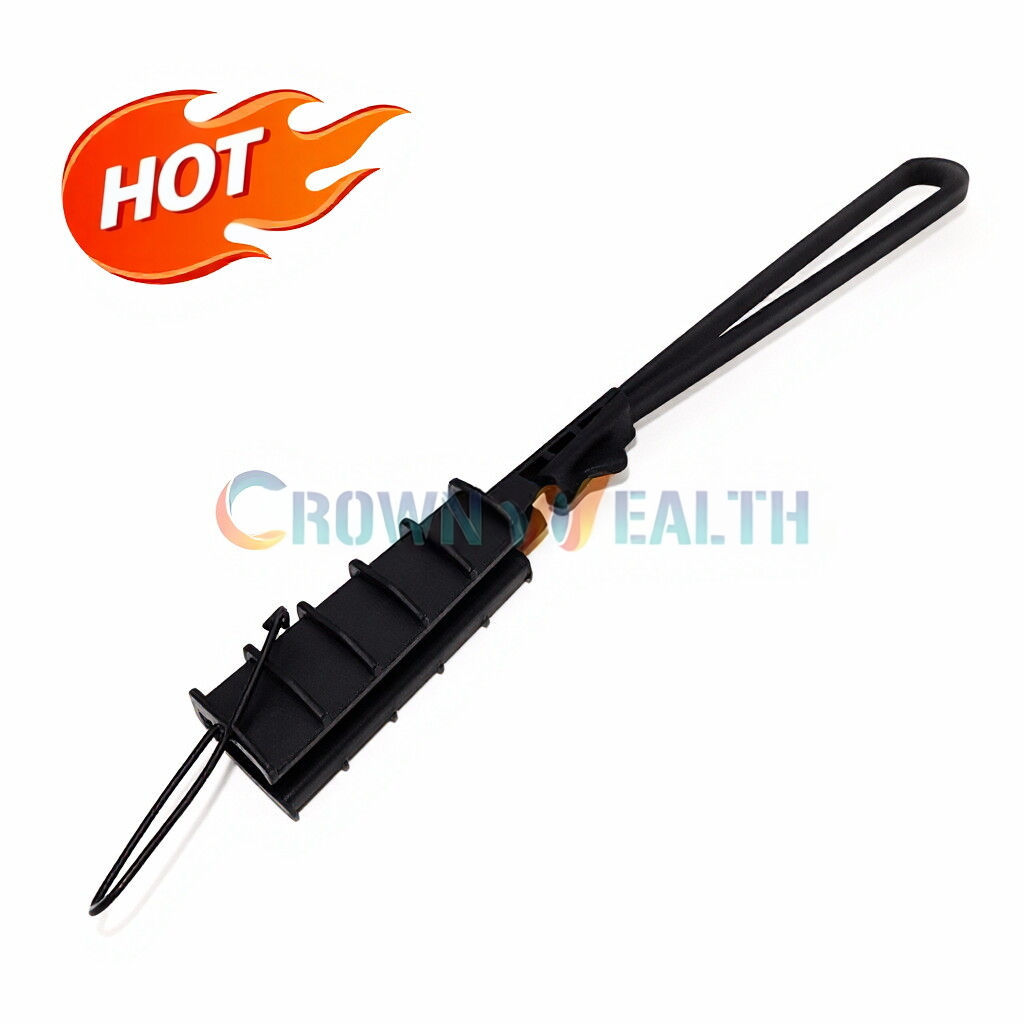
- Tension clamps for dead-end poles
- Spacer and vibration dampers
Insulators:
- Pin-type insulators for pole-mounted distribution
- Associated fittings including clevises and yoke plates
Structural Hardware:
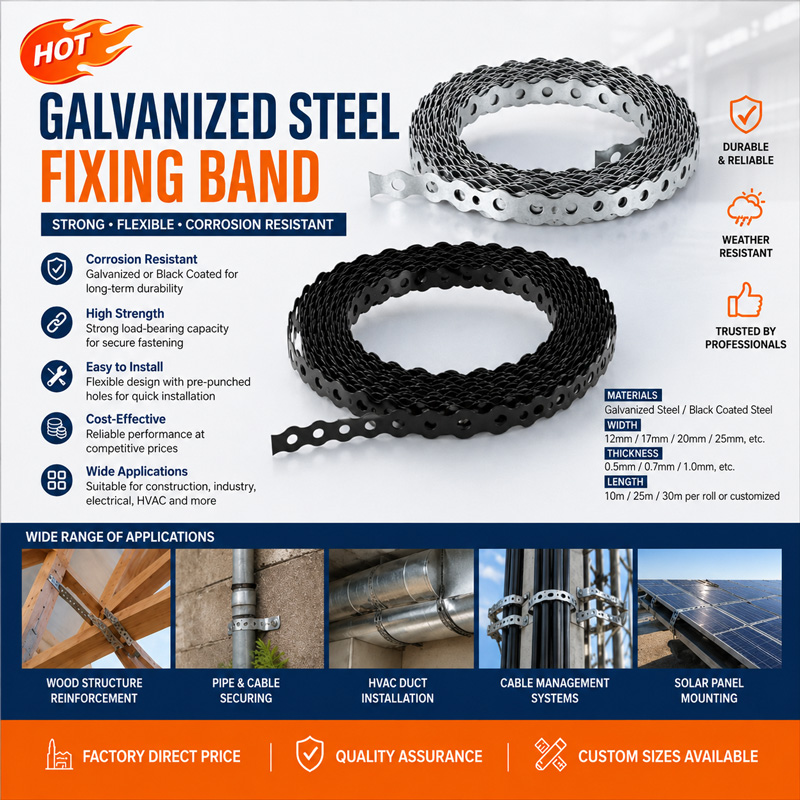
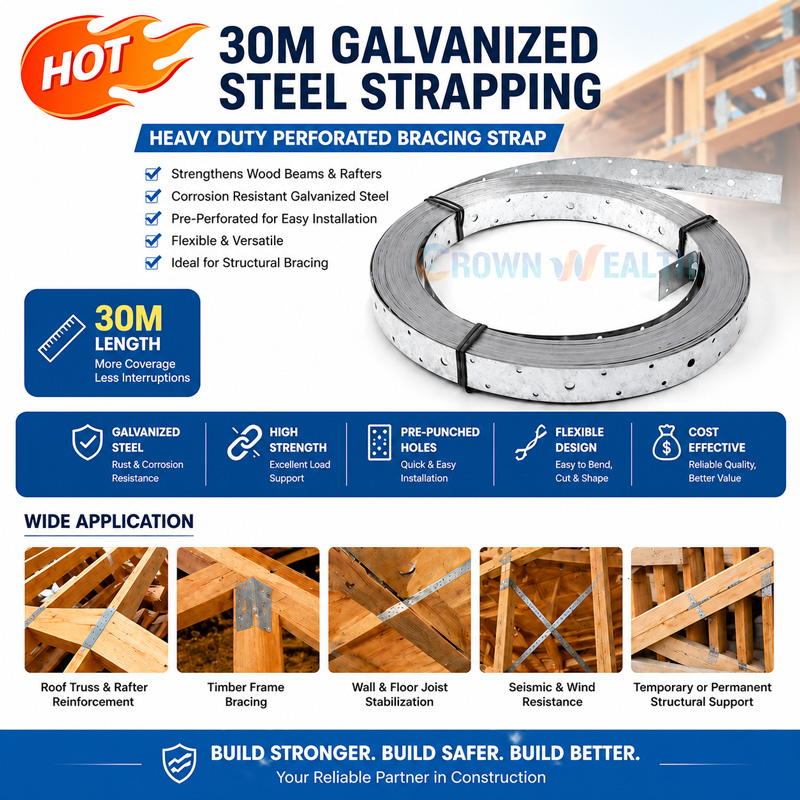
- Pole bands and crossarms
- Guying and anchoring systems
- Bolts, nuts, and washers
Protection and Earthing:
- Lightning arresters and surge protection devices
- Grounding rods and clamps
All steel components were hot-dip galvanized to ensure corrosion resistance and long service life.
4. Quality Assurance
Before shipment, rigorous quality control measures were implemented:
- Dimensional checks and mechanical testing of clamps and fittings
- Verification of galvanizing thickness and coating uniformity
- Inspection of insulators and conductor accessories
- Packaging inspection to prevent transport damage
These measures ensured all components met international standards and project requirements.
5. Logistics and Delivery
The hardware was carefully packaged and shipped to the remote project site, considering:
- Safe handling during transport
- Minimizing damage risk
- Timely delivery to align with the construction schedule
Clear labeling and detailed documentation facilitated quick identification and installation at the site.
6. Installation Support
Technical guidance was provided to the contractor to ensure smooth installation:
- Correct use of tension and suspension clamps
- Proper alignment of insulators and crossarms
- Installation tips to prevent conductor damage
This reduced installation errors and accelerated the construction process.
7. Project Results
- Hardware delivered on time and in full
- Smooth installation with no compatibility issues
- Reliable performance under environmental stress
- Low maintenance requirements due to quality selection and galvanizing
Conclusion
From design to delivery, every step in a 33kV overhead line project requires careful planning and execution. Selecting the right hardware, ensuring quality, and providing timely delivery are key to long-term system reliability.
Working on a 33kV distribution line project?
We provide end-to-end overhead line hardware solutions tailored to your project requirements. Feel free to contact us for technical support and a quotation.