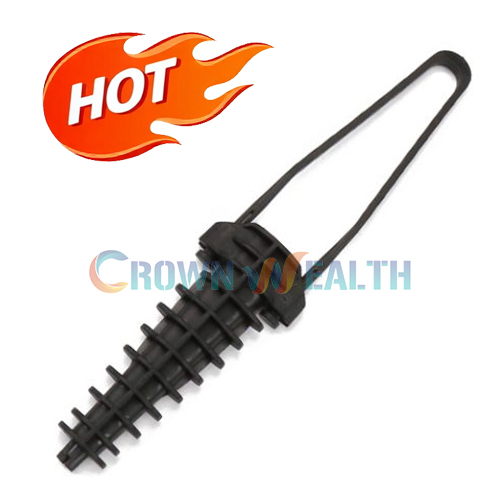
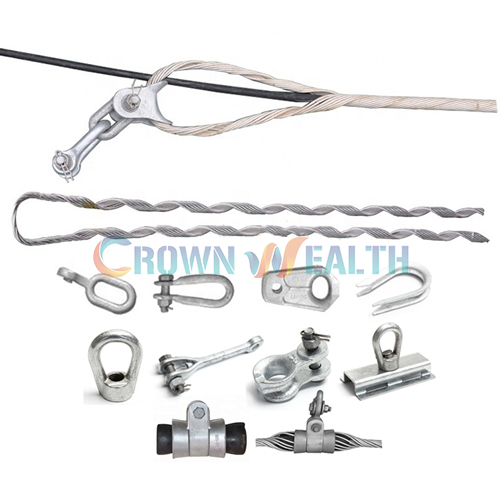
Transmission line fittings are critical components that bear mechanical loads and ensure the safety and reliability of overhead power lines. Selecting fittings with the proper mechanical strength is essential to prevent failures, reduce maintenance costs, and ensure long-term system stability.
This article explains the key mechanical strength requirements for transmission line fittings and practical considerations for buyers.
1. Why Mechanical Strength Matters
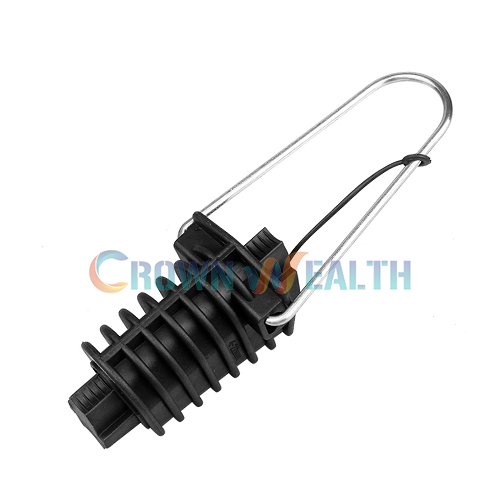
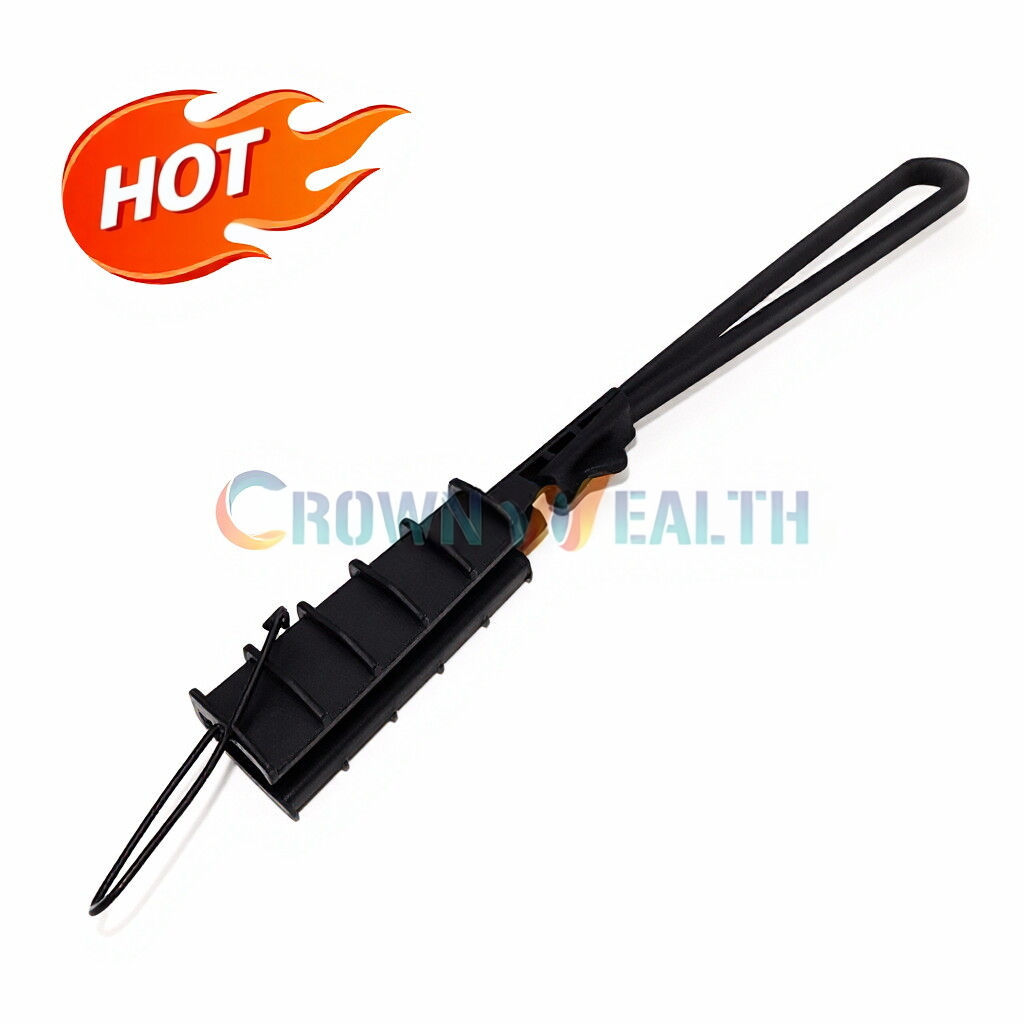
Transmission line fittings—including tension clamps, suspension clamps, connectors, and crossarm brackets—carry the full mechanical load of the conductors and associated hardware. If the mechanical strength is inadequate, it can lead to:
- Conductor slippage or failure
- Structural deformation of poles or towers
- Premature hardware damage
- Safety hazards and outages
Ensuring fittings meet mechanical strength requirements is therefore critical for both operational reliability and safety.
2. Key Mechanical Strength Parameters
When evaluating transmission line fittings, several mechanical parameters should be considered:
a) Rated Failure Load (RFL)
- RFL is the maximum load a fitting can withstand before failure
- Should be close to or exceed the rated tensile strength of the conductor
- Provides a safety margin, typically 25–50% above expected line tension
b) Tensile Strength
- The ability of a fitting material to resist being pulled apart
- Critical for dead-end and tension points in the line
- Depends on material type, design, and manufacturing quality
c) Fatigue Resistance
- Transmission line fittings experience repeated stress from wind, vibration, and temperature changes
- Fittings must withstand cyclic loads without cracking or deformation
- Fatigue-resistant designs often include rounded edges, smooth surfaces, and proper material selection
d) Shear and Bearing Strength
- Shear strength ensures that bolts, pins, and connectors do not fail under transverse loads
- Bearing strength ensures the contact points between fittings and conductors can carry the load without excessive deformation
3. Factors Affecting Mechanical Strength
Several factors can influence the actual mechanical performance of transmission line fittings:
- Material quality: High-grade steel or aluminum alloys provide superior tensile and fatigue strength
- Galvanizing or coating: Protects against corrosion, which can reduce strength over time
- Design and geometry: Properly designed fittings distribute load evenly and reduce stress concentration
- Manufacturing process: Precision casting, forging, and heat treatment improve mechanical properties
4. Standards for Mechanical Strength
Transmission line fittings should comply with recognized international standards to ensure reliable performance:
- IEC 61284 / EN 50183: Overhead line fittings for mechanical and electrical requirements
- ASTM / ISO: Material strength, galvanizing, and mechanical testing
- Project-specific specifications: Some projects require customized mechanical ratings based on environmental or conductor conditions
5. Practical Tips for Buyers
- Always verify the RFL and material specifications provided by the manufacturer
- Ensure the fittings are compatible with the selected conductor type and size
- Request mechanical test reports or certificates of compliance
- Consider environmental conditions (wind, ice, corrosion) when selecting strength ratings
- Prefer fittings with proven track records in similar projects
Conclusion
Mechanical strength is a fundamental requirement for all transmission line fittings. Selecting high-quality, properly rated hardware ensures the safety, reliability, and longevity of your overhead line projects.
Working on a transmission or distribution line project?
We supply transmission line fittings that meet international mechanical strength standards, including IEC, ASTM, and ISO, tailored to your project requirements. Contact us for technical support and a quotation.