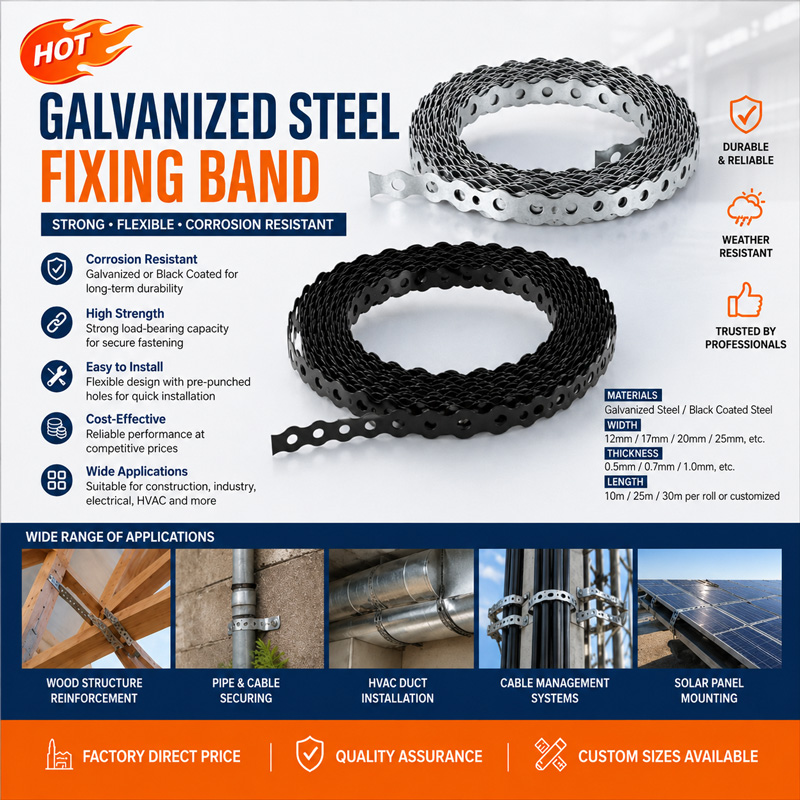
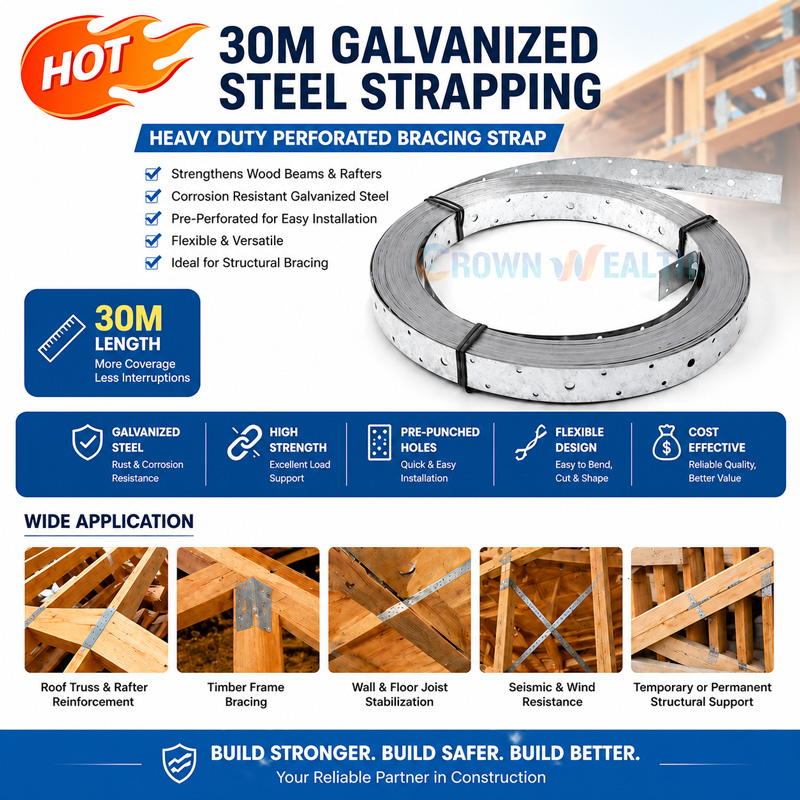
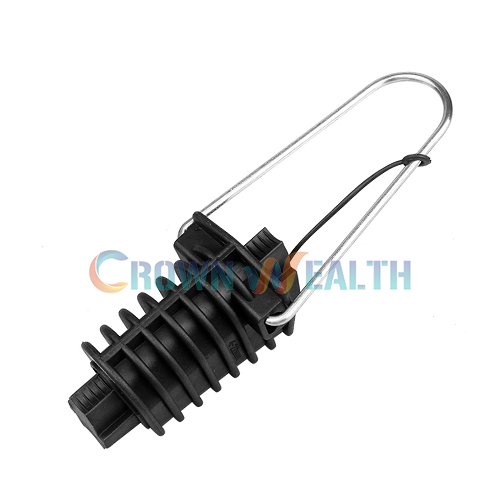
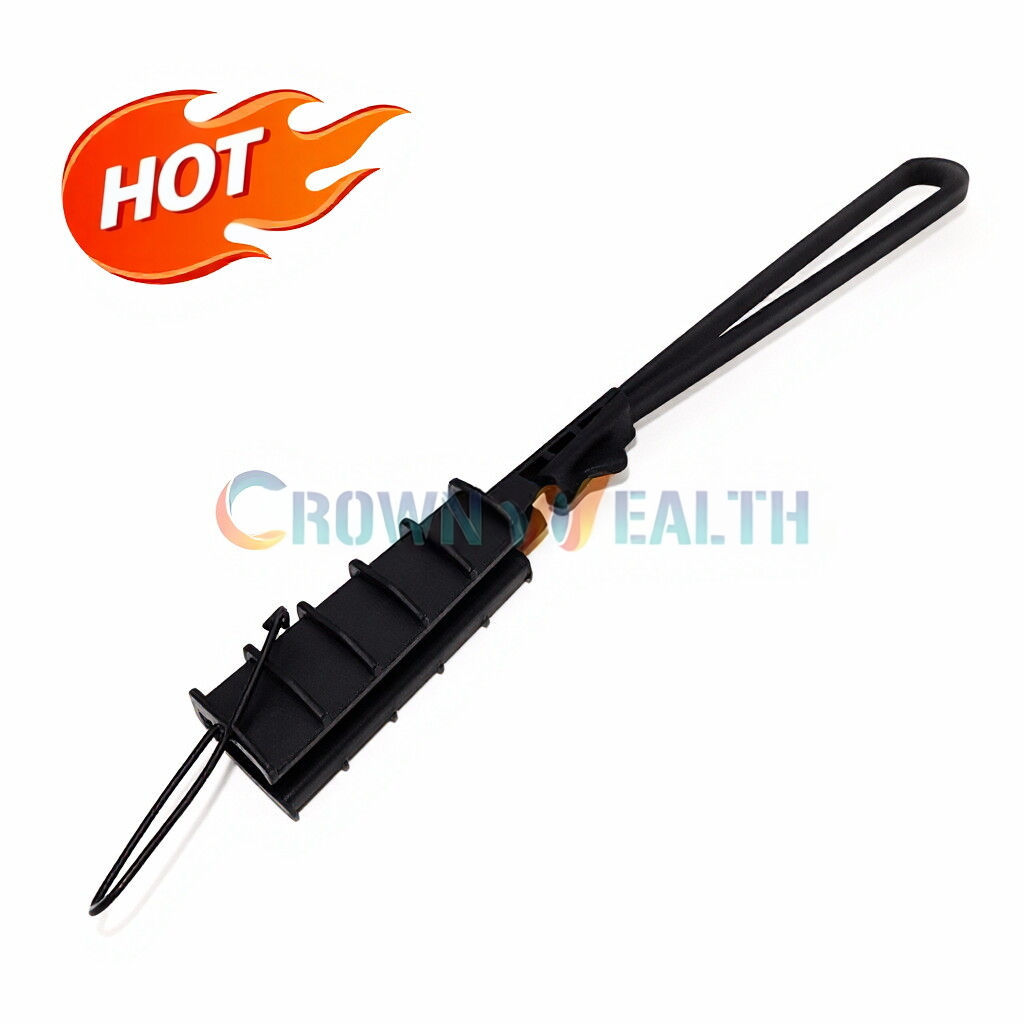
Hot-dip galvanizing is a critical process for protecting steel hardware used in overhead transmission and distribution lines. Proper galvanizing prevents corrosion, extends service life, and ensures structural reliability. To ensure quality, internationally recognized standards such as ASTM A153 and ISO 1461 are widely used.
This article explains these standards and why buyers should care.
1. What Is Hot-Dip Galvanizing?
Hot-dip galvanizing is the process of coating steel components with a layer of zinc by immersing them in molten zinc. The zinc coating provides:
- Corrosion resistance: Protects steel from moisture, chemicals, and environmental factors
- Long-term durability: Extends service life of hardware exposed to outdoor conditions
- Mechanical protection: Reduces wear and surface damage
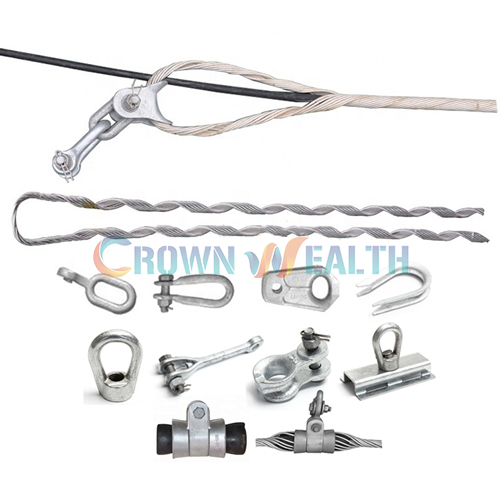
Hot-dip galvanizing is commonly applied to bolts, clamps, crossarms, brackets, and other pole line hardware.
2. ASTM A153 Standard
ASTM A153 is a U.S. standard that specifies requirements for zinc coatings on iron and steel hardware.
Key points:
- Coverage: Applies to small hardware components, including bolts, nuts, washers, and fittings
- Zinc coating thickness: Varies by component size (typically 45–86 μm for bolts, higher for larger parts)
- Adhesion and appearance: Coating must adhere without flaking or peeling
- Testing: Thickness measurements, visual inspection, and sample adhesion tests
ASTM A153 ensures that hot-dip galvanized hardware will resist corrosion in outdoor applications, especially in power line projects.
3. ISO 1461 Standard
ISO 1461 is an international standard for hot-dip galvanizing of fabricated iron and steel products.
Key points:
- Coverage: Applies to larger components such as crossarms, brackets, and fabricated hardware
- Zinc coating thickness: Minimum coating thickness specified according to component dimensions (typically 50 μm or more)
- Surface quality: Smooth, uniform coating with minimal irregularities
- Inspection and testing: Visual inspection, thickness measurement, and adherence checks
ISO 1461 provides guidance for global projects, ensuring that galvanized hardware meets consistent corrosion protection standards.
4. Key Differences Between ASTM A153 and ISO 1461
| Aspect | ASTM A153 | ISO 1461 |
|---|---|---|
| Primary use | Small hardware components (bolts, nuts, washers) | Fabricated steel products (crossarms, brackets, poles) |
| Coating thickness | Varies by size; generally thinner for small parts | Minimum thickness based on dimensions; thicker for larger components |
| Inspection method | Thickness measurement, visual inspection, adhesion test | Visual inspection, thickness measurement, adhesion check |
| Regional usage | Widely used in the U.S. and countries following ASTM standards | Widely used internationally, especially in Europe, Asia, and Africa |
5. Why Buyers Should Care
Choosing galvanized hardware without considering standards can lead to:
- Premature corrosion and reduced service life
- Structural failure due to weakened components
- Increased maintenance costs and project delays
Ensuring that all hardware meets ASTM A153 or ISO 1461 guarantees:
- Reliable corrosion protection
- Long-term durability under harsh environmental conditions
- Compliance with project specifications and regulations
6. Practical Tips for Buyers
- Request test certificates or inspection reports to verify compliance
- Confirm coating thickness and uniformity for all components
- Use high-quality galvanizing for high-risk environments, such as coastal, tropical, or industrial areas
- Specify the applicable standard in procurement documents to avoid confusion
Conclusion
Hot-dip galvanizing is not just a surface treatment—it is a critical factor in the longevity and reliability of overhead line hardware. Understanding ASTM A153 and ISO 1461 ensures that steel components are properly protected and meet international quality standards.
Working on a transmission or distribution project?
We supply hot-dip galvanized pole line hardware compliant with both ASTM A153 and ISO 1461, tailored to your project requirements. Contact us for technical support and a quotation.