In modern telecommunications infrastructure, fiber optic networks play a critical role in delivering high-speed internet and reliable data transmission. One of the key components ensuring the stability and longevity of these networks is the plastic tension clamp. Designed specifically for fiber optic cable installation, this lightweight yet durable accessory is widely used in aerial deployments, especially in FTTH (Fiber to the Home) systems.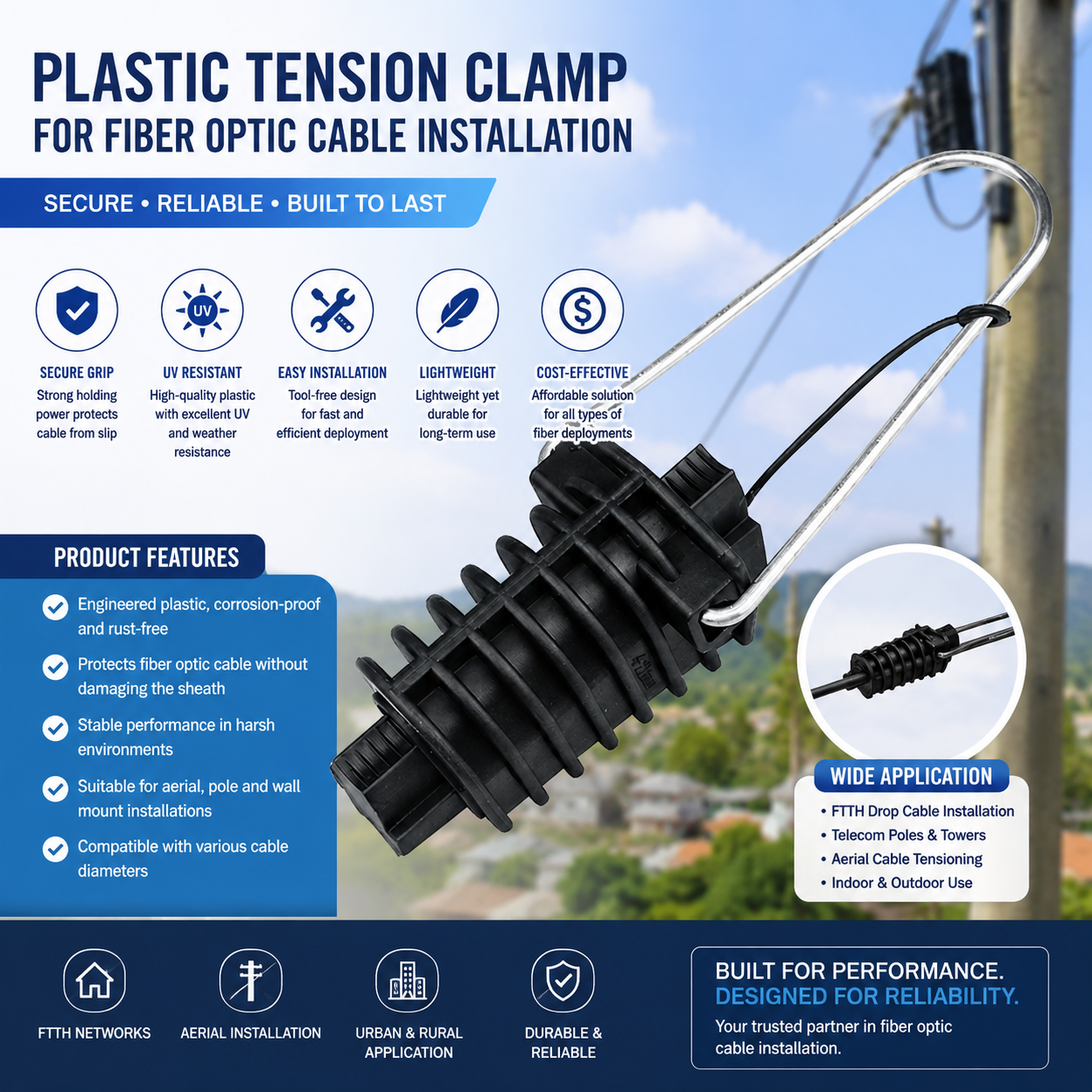
What Is a Plastic Tension Clamp?
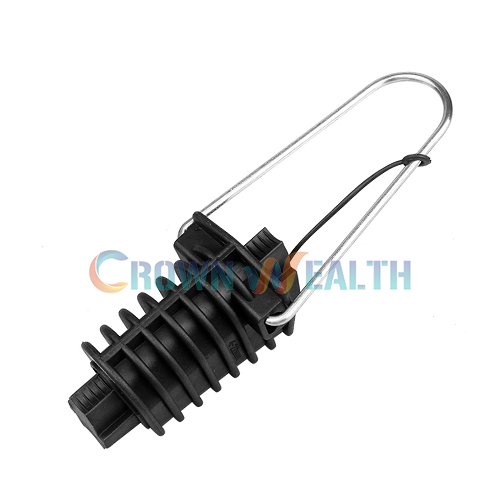
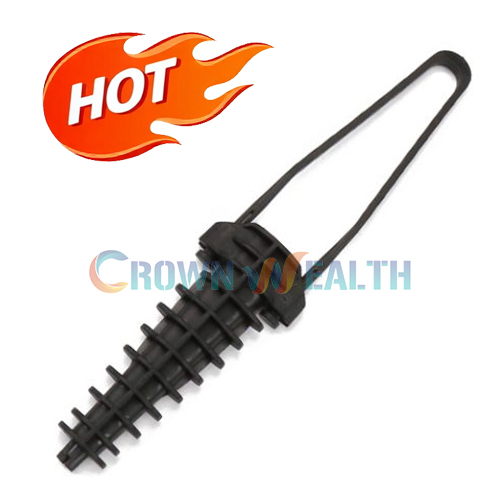
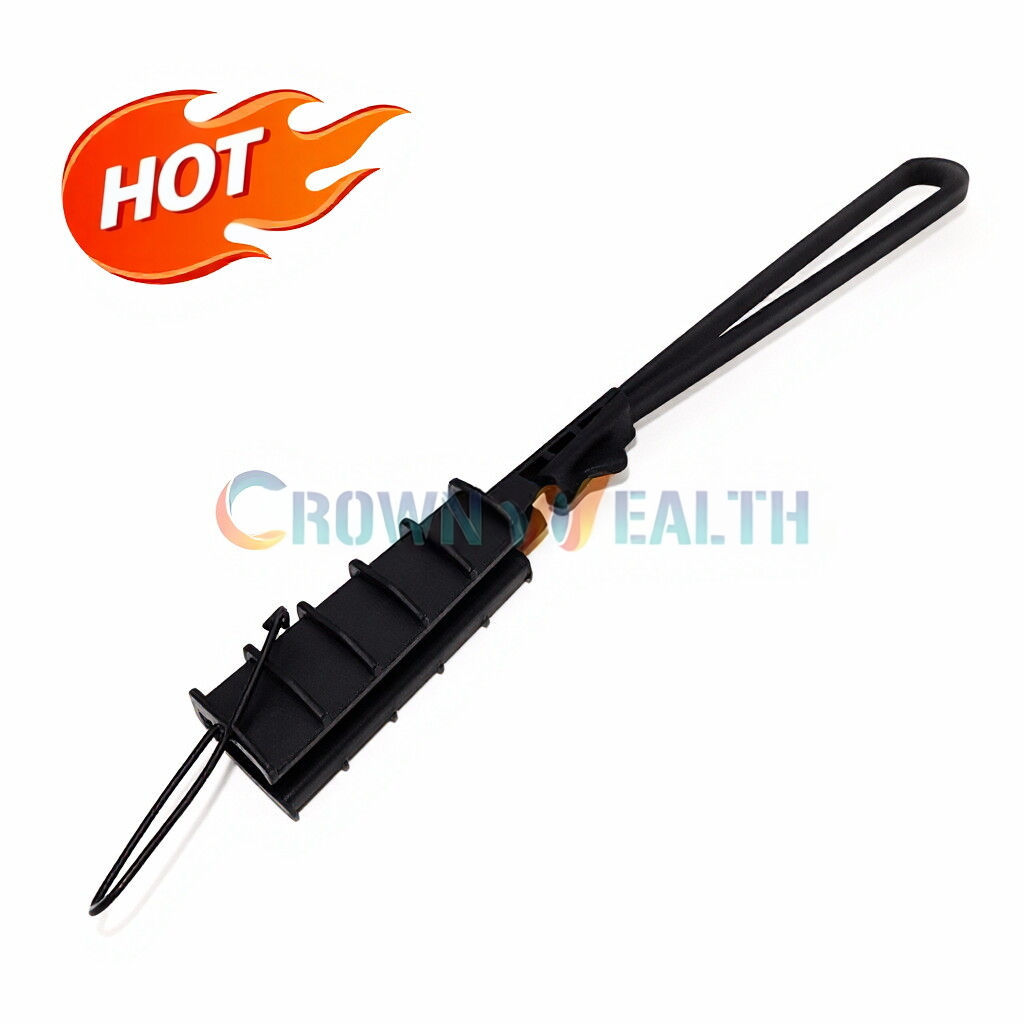
A plastic tension clamp is a fastening device used to anchor and support fiber optic cables under tension. It is typically made from high-strength engineering plastics such as UV-resistant nylon or polymer composites, ensuring long-term performance in outdoor environments.
These clamps are commonly used in:
- Aerial fiber optic cable installations
- Drop cable routing from pole to building
- Short-span cable tensioning systems
Key Features and Advantages
1. Lightweight and Corrosion-Resistant
Unlike metal clamps, plastic tension clamps are resistant to rust and corrosion, making them ideal for humid, coastal, or chemically exposed environments.
2. UV and Weather Resistance
High-quality plastic materials are engineered to withstand prolonged exposure to sunlight, rain, and temperature fluctuations without degradation.
3. Easy Installation
Most plastic tension clamps are designed for tool-free or minimal-tool installation. This reduces labor time and installation costs, especially in large-scale deployments.
4. Secure Cable Grip
The clamp structure ensures firm holding of fiber optic cables without damaging the sheath, maintaining signal integrity and cable lifespan.
5. Cost-Effective Solution
Plastic clamps are generally more affordable than metal alternatives while still delivering excellent mechanical performance.
Typical Applications
Plastic tension clamps are widely used in:
- FTTH networks: securing drop cables from distribution points to homes
- Telecom poles and towers: anchoring aerial cables along routes
- Rural and urban deployments: adaptable to different installation environments
- Temporary or permanent cable routing systems
Structure and Design
A standard plastic tension clamp usually consists of:
- Clamp body: made of reinforced plastic for durability
- Wedge or gripping mechanism: holds the cable securely in place
- Bail or hook: allows attachment to poles, brackets, or hooks
This simple yet effective design ensures reliable tension management while preventing cable slippage.
Installation Process
The installation of a plastic tension clamp typically involves:
- Inserting the fiber optic cable into the clamp body
- Securing it with the internal wedge or locking system
- Attaching the clamp to a pole bracket or hook
- Applying appropriate tension to ensure stability
No specialized tools are usually required, making it ideal for rapid deployment.
Choosing the Right Clamp
When selecting a plastic tension clamp, consider the following factors:
- Cable diameter compatibility
- Load and tension requirements
- Environmental conditions (UV exposure, temperature, humidity)
- Installation type (aerial, wall-mounted, pole-mounted)
Choosing the correct clamp ensures both safety and performance of the fiber optic network.
Conclusion
Plastic tension clamps are an essential component in fiber optic cable installation, offering a perfect balance of durability, ease of use, and cost efficiency. As fiber networks continue to expand globally, especially in FTTH applications, these clamps provide a reliable solution for securing cables in diverse environments.
For telecom contractors and network engineers, investing in high-quality plastic tension clamps is a practical step toward building stable and long-lasting fiber infrastructure.