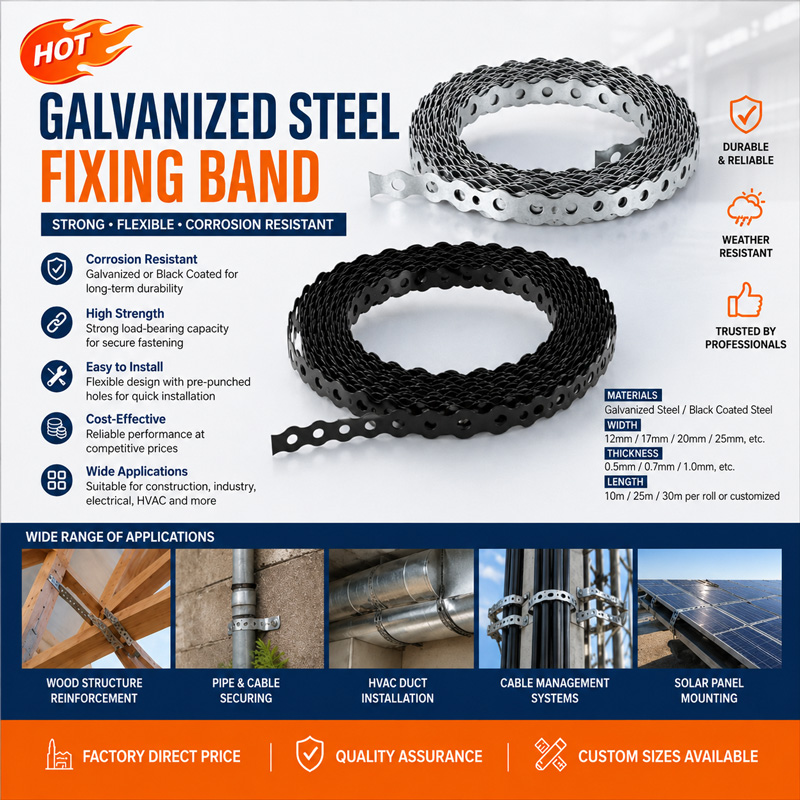
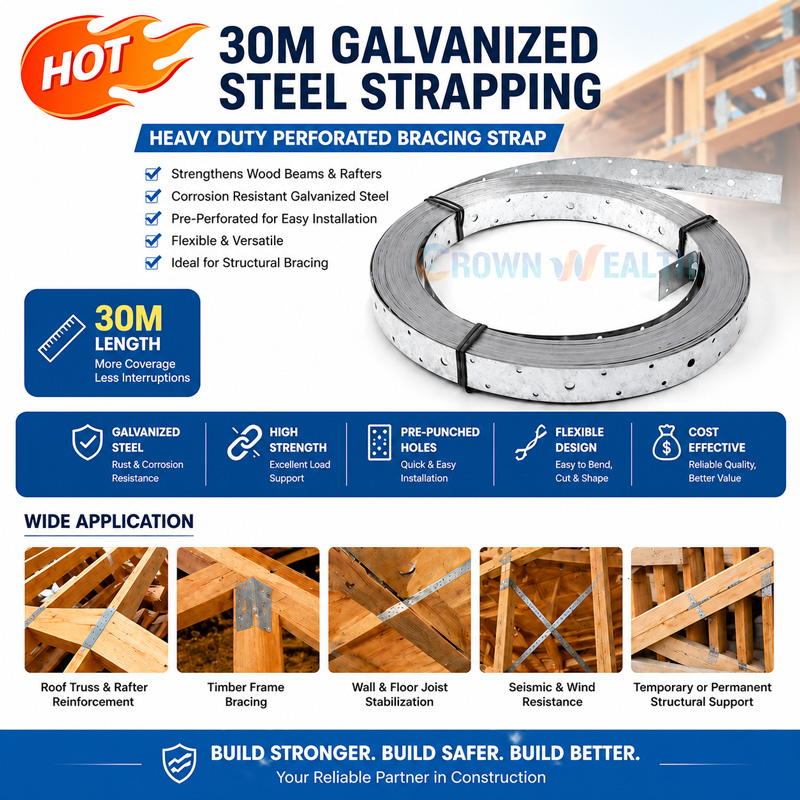
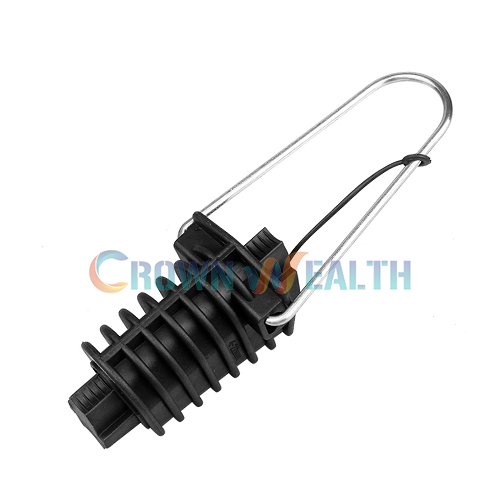
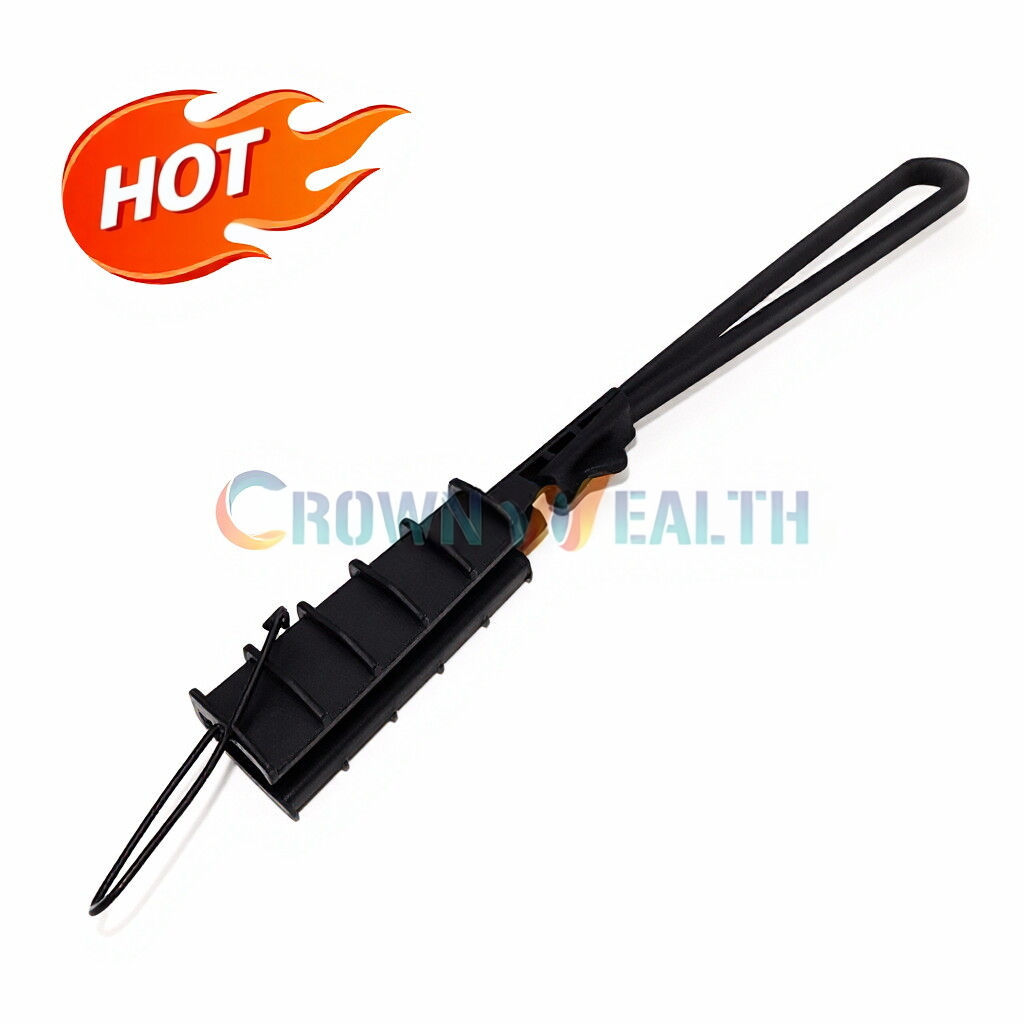
Modern power distribution and telecommunications networks rely on a wide range of pole line hardware to ensure safe, reliable, and long-lasting performance. From crossarms and suspension clamps to guy wire assemblies and transformer brackets, every component plays a critical role in supporting overhead lines and maintaining network stability.
This guide explains the most common pole line hardware components, their functions, applications, and how to choose the right hardware for your utility or telecom project.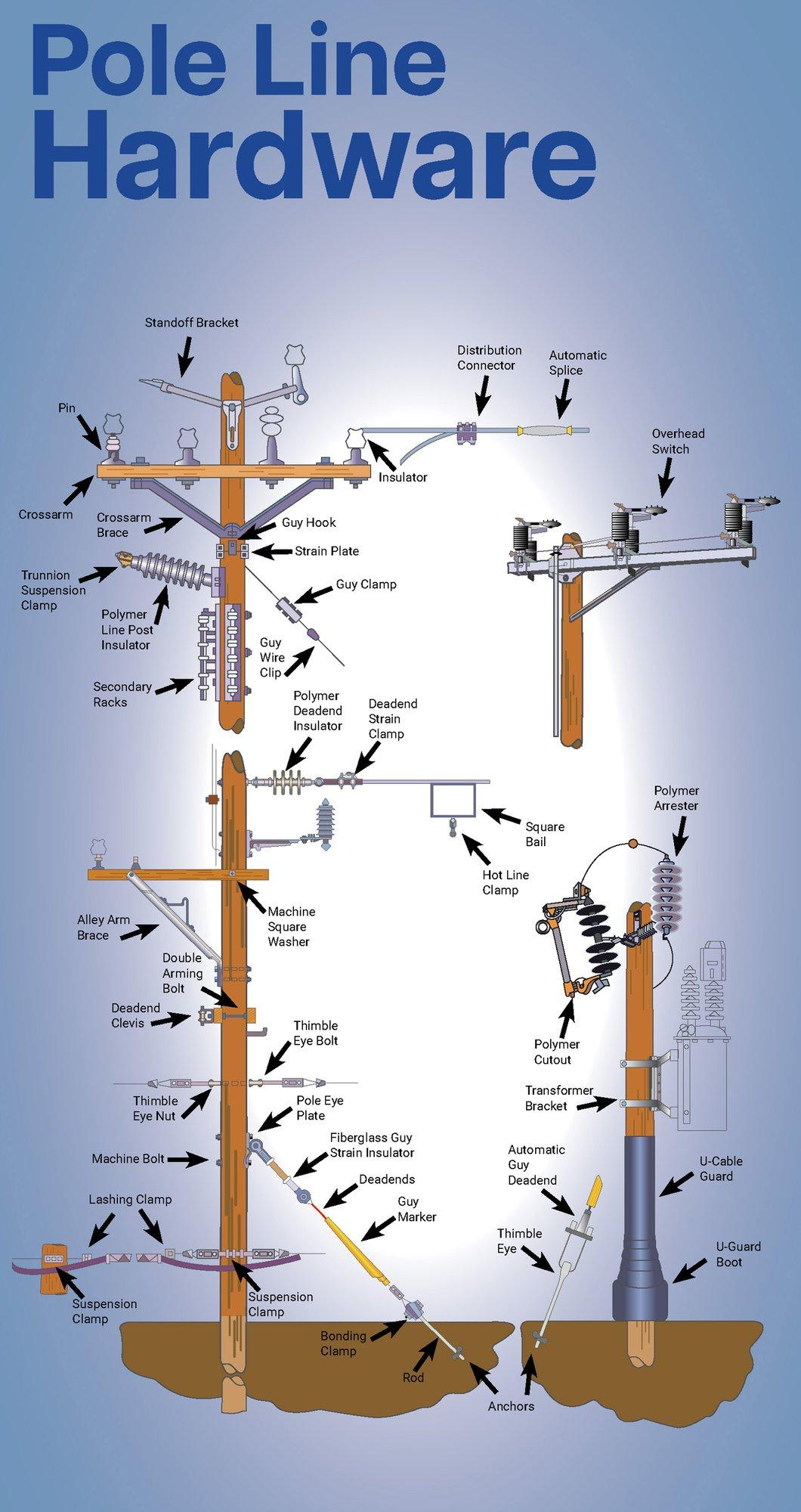
What Is Pole Line Hardware?
Pole line hardware refers to the mechanical components used on utility poles to support electrical conductors, fiber optic cables, transformers, grounding systems, and communication equipment.
These products are commonly installed on:
- Electrical distribution poles
- Transmission line structures
- Telecom poles
- FTTH networks
- Rural electrification projects
- Smart grid infrastructure
High-quality pole hardware improves system reliability, reduces maintenance costs, and extends infrastructure service life.
Main Types of Pole Line Hardware
Crossarms and Crossarm Braces
Crossarms provide horizontal support for insulators and conductors mounted on utility poles.
Key Benefits
- Increase conductor spacing
- Improve line stability
- Support multiple circuits
- Reduce electrical interference
Common Hardware
- Crossarms
- Crossarm braces
- Machine bolts
- Square washers
- Pins
Insulators and Insulator Hardware
Insulators isolate energized conductors from grounded pole structures.
Common Types
- Polymer line post insulators
- Suspension insulators
- Deadend insulators
- Pin-type insulators
Advantages
- Excellent electrical insulation
- UV resistance
- Long service life
- Reduced maintenance
Suspension Clamps
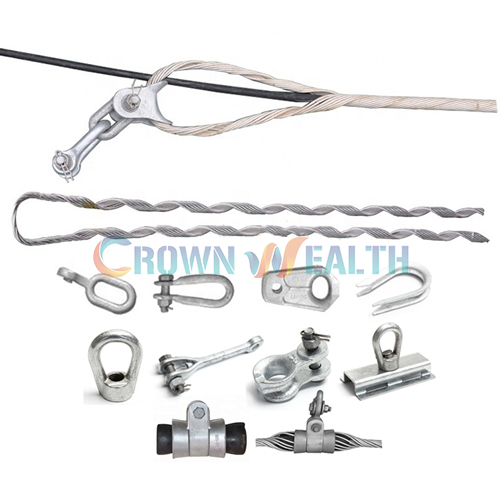
Suspension clamps support conductors and fiber optic cables while allowing limited movement caused by wind and temperature changes.
Features
- Strong mechanical strength
- Corrosion resistance
- Cable protection
- Easy installation
Applications
- Distribution lines
- ADSS cable networks
- Fiber optic routes
- Utility pole systems
Dead End Clamps
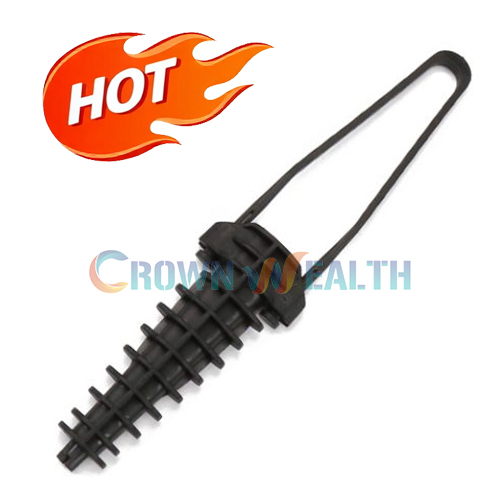
Dead end clamps terminate conductors and cables at the end of a span or at angle points.
Benefits
- High holding strength
- Secure cable anchoring
- Long-term reliability
- Reduced cable slippage
Typical Uses
- Electrical distribution networks
- Fiber optic cable installations
- Pole-to-pole spans
Guy Wire Hardware
Guy wire systems stabilize poles against lateral loads and environmental forces.
Typical components include:
- Guy hooks
- Guy clamps
- Guy wire clips
- Thimble eye bolts
- Guy strain insulators
- Anchors
- Rod assemblies
Why Guy Hardware Matters
Guying systems help utility poles withstand:
- High winds
- Ice loading
- Uneven conductor tension
- Heavy equipment loads
Pole Eye Plates and Eye Bolts
Pole eye plates create secure attachment points for guy wires and other hardware.
Advantages
- High load capacity
- Easy installation
- Long-term durability
- Compatibility with multiple fittings
Transformer Brackets
Transformer brackets provide support for pole-mounted transformers and electrical equipment.
Applications
- Distribution transformers
- Switchgear
- Surge arresters
- Pole-mounted cabinets
Benefits
- Stable equipment mounting
- Improved safety
- Efficient load distribution
Bonding and Grounding Hardware
Grounding systems protect utility infrastructure from electrical faults and lightning strikes.
Common grounding components include:
- Bonding clamps
- Ground rods
- Ground wire connectors
- Pole grounding assemblies
Functions
- Fault current dissipation
- Lightning protection
- Personnel safety
- Equipment protection
Pole Line Hardware Applications
Electrical Distribution Networks
Pole hardware supports conductors, transformers, switches, and grounding systems throughout distribution networks.
Telecommunications Infrastructure
Modern telecom operators use pole line hardware to install:
- Fiber optic cables
- FTTH networks
- Broadband infrastructure
- Wireless communication equipment
Rural Electrification Projects
Reliable pole hardware is essential for expanding electrical access in developing regions.
Smart Grid Construction
Advanced utility systems require durable mounting hardware for sensors, communication devices, and monitoring equipment.
Materials Used in Pole Line Hardware
The durability of pole line hardware depends heavily on material selection.
Hot-Dip Galvanized Steel
Most utility hardware is manufactured using hot-dip galvanized steel because it offers:
- Superior corrosion resistance
- Long service life
- High mechanical strength
- Low maintenance requirements
Stainless Steel
Used in coastal and highly corrosive environments.
Advantages include:
- Excellent rust resistance
- Long-term durability
- Minimal maintenance
Aluminum Alloy
Selected for lightweight applications where corrosion resistance is important.
How to Choose Pole Line Hardware
When selecting utility pole hardware, consider the following factors:
Load Requirements
Verify that hardware can withstand:
- Conductor tension
- Wind loads
- Ice loads
- Equipment weight
Environmental Conditions
Choose hardware suitable for:
- Coastal environments
- High humidity
- Desert conditions
- Extreme temperatures
Compliance Standards
Ensure products meet relevant standards such as:
- ANSI
- ASTM
- IEC
- BS
- Utility company specifications
Corrosion Protection
For outdoor installations, hot-dip galvanization is strongly recommended to maximize service life.
Why Quality Pole Line Hardware Is Important
Using low-quality hardware may result in:
- Pole instability
- Hardware failure
- Service interruptions
- Increased maintenance costs
- Safety hazards
Premium pole line hardware helps utility operators achieve:
- Longer infrastructure lifespan
- Reduced operational costs
- Improved safety
- Better network reliability
Why Choose HBCROWNWEALTH Pole Line Hardware?
HBCROWNWEALTH manufactures and supplies a complete range of utility pole hardware for power distribution and telecommunications projects worldwide.
Our Product Range
- Pole Brackets
- Suspension Clamps
- Dead End Clamps
- Pole Bands
- Eye Bolts
- Crossarm Hardware
- Guy Wire Fittings
- Transformer Brackets
- Grounding Accessories
- FTTH Hardware
Our Advantages
✅ Factory-direct manufacturing
✅ Hot-dip galvanized steel construction
✅ Strict quality control procedures
✅ OEM & ODM customization
✅ Competitive pricing
✅ Fast global delivery
✅ Experienced export support
Whether you are building a utility distribution network, upgrading telecom infrastructure, or supplying hardware for a large-scale electrification project, HBCROWNWEALTH provides dependable pole line hardware solutions designed for long-term performance.
Frequently Asked Questions
What is pole line hardware used for?
Pole line hardware is used to support conductors, fiber optic cables, transformers, insulators, and grounding systems on utility poles.
What material is best for utility pole hardware?
Hot-dip galvanized steel is the most commonly used material due to its strength and corrosion resistance.
How long does galvanized pole hardware last?
Depending on environmental conditions, high-quality hot-dip galvanized hardware can provide 20–50 years of service life.
What is the difference between a suspension clamp and a dead end clamp?
A suspension clamp supports a cable along a span, while a dead end clamp terminates and anchors the cable at an endpoint or angle location.
Can pole line hardware be customized?
Yes. Many manufacturers, including HBCROWNWEALTH, offer OEM and ODM services to meet utility and telecom project requirements.