In modern fiber optic deployment, stability, safety, and long-term performance are critical. An anchoring clamp for fiber cable plays a key role in ensuring aerial fiber lines remain securely fixed under tension while protecting the cable from mechanical stress, wind vibration, and environmental impact. Whether used in FTTH drop networks or backbone aerial installations, a high-quality anchoring clamp significantly improves system reliability and service lifespan.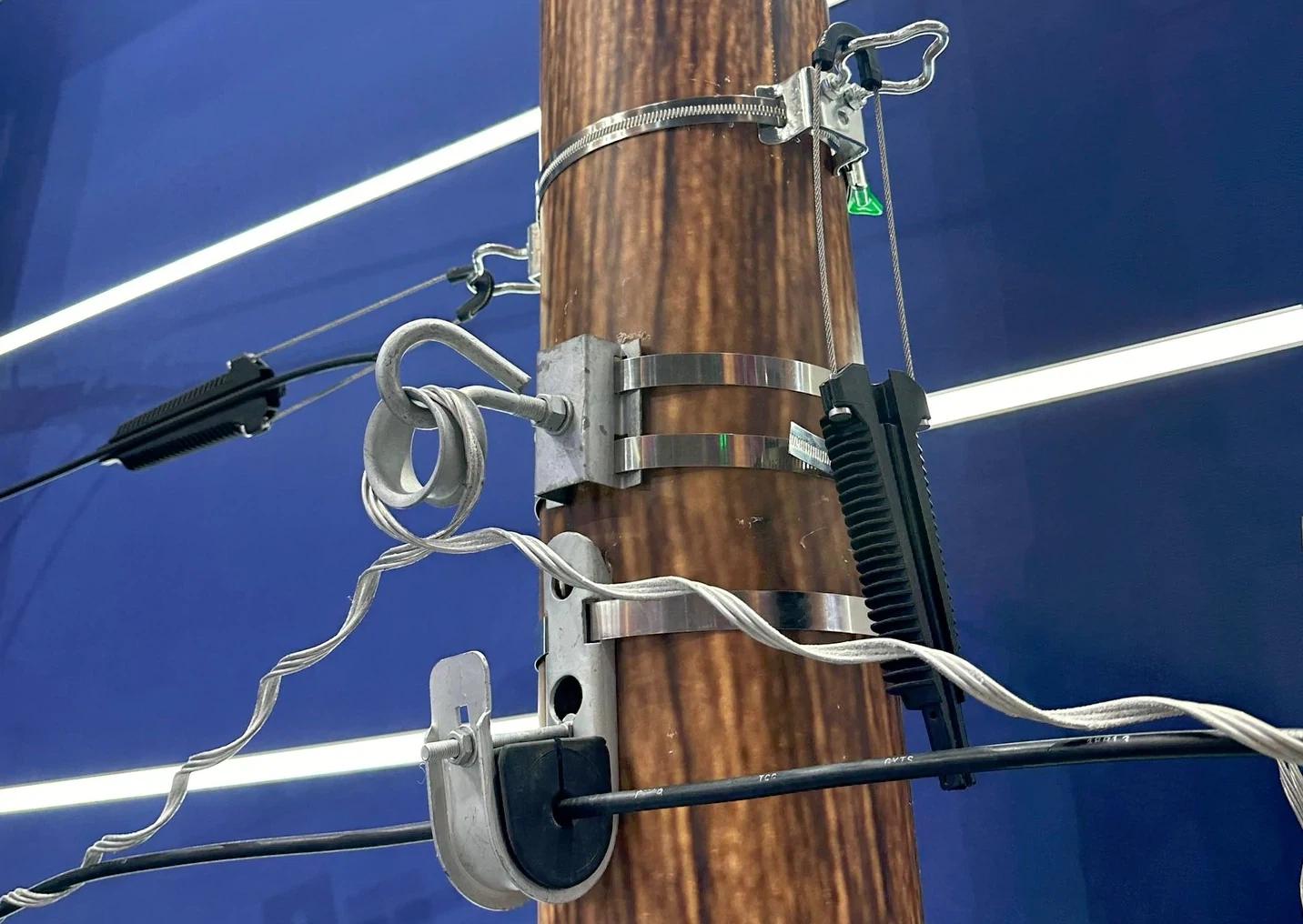
What Is an Anchoring Clamp for Fiber Cable?
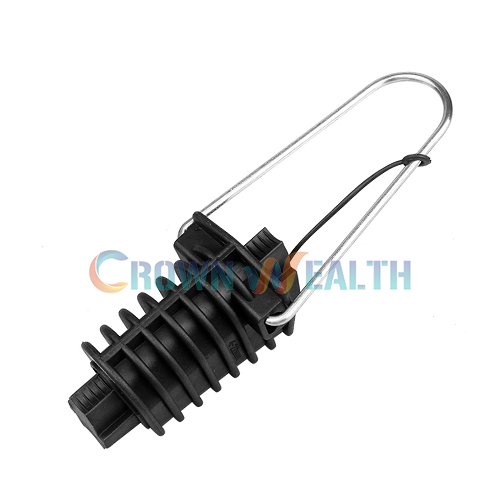
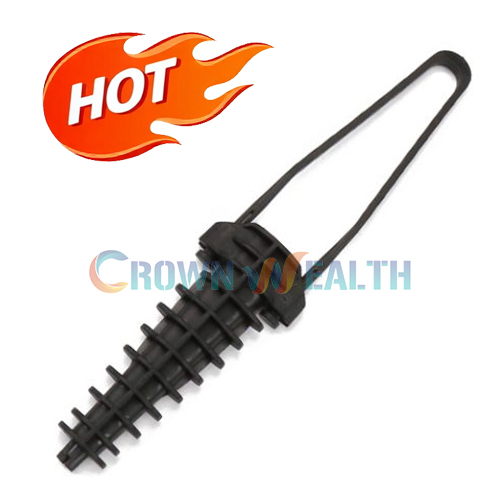
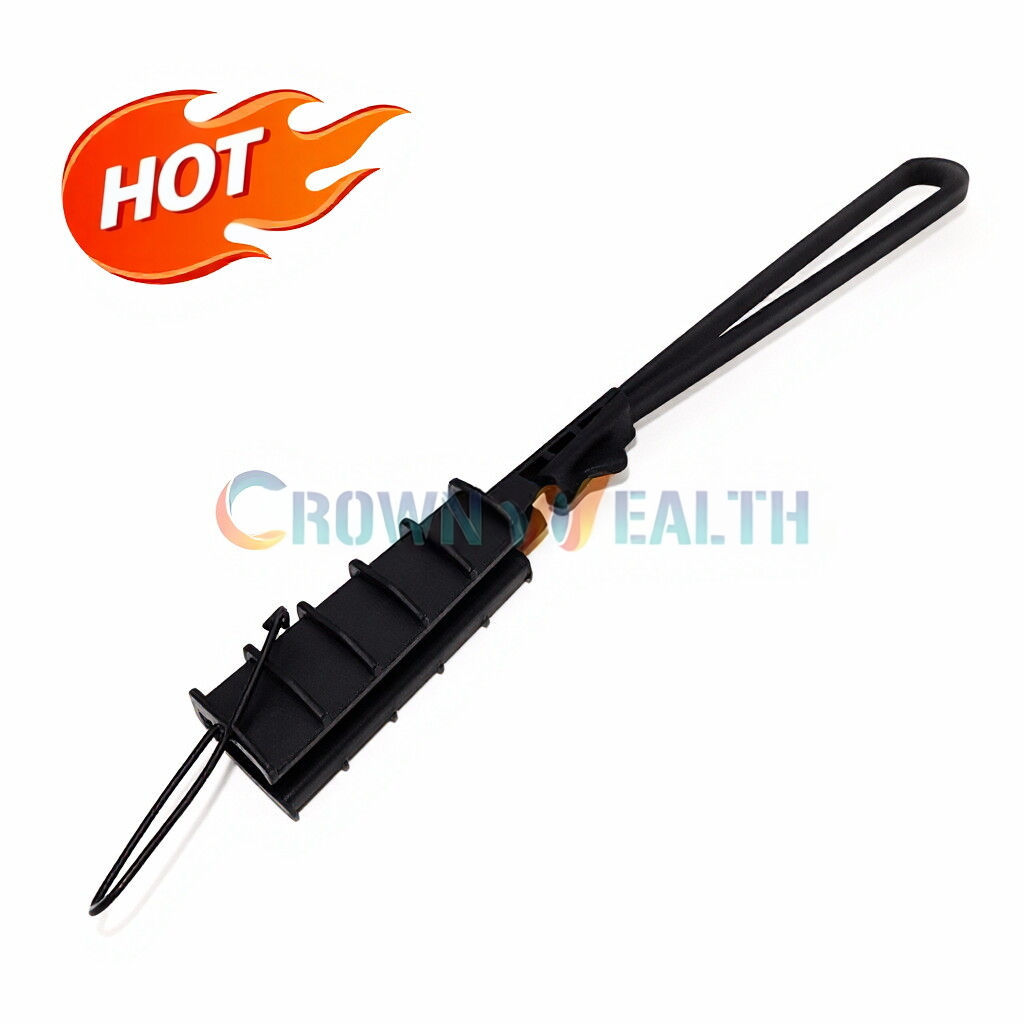
An anchoring clamp (also called a dead-end clamp or tension clamp) is a mechanical device designed to grip and secure fiber optic cables on poles, walls, or other support structures.
It is typically used at:
- Line termination points
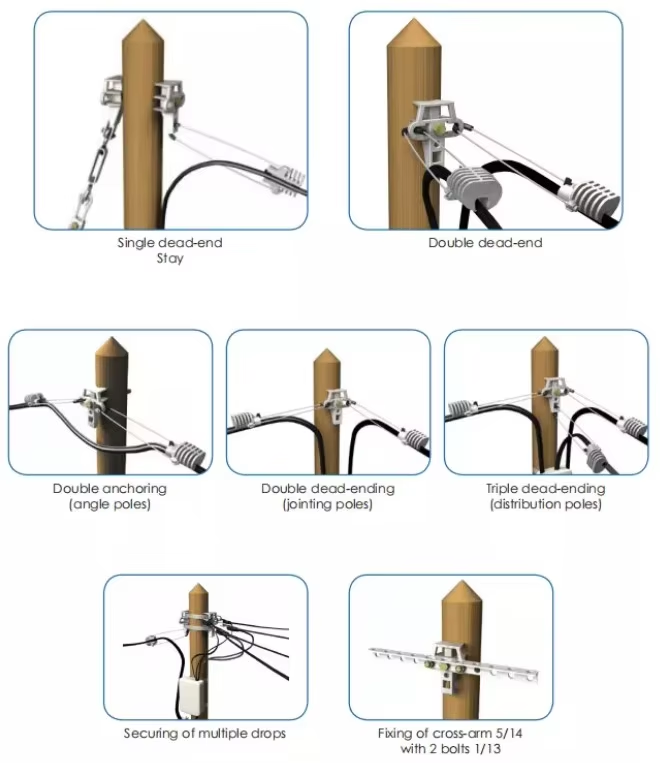
- Angle poles in aerial routes
- Long-span tension sections
- Distribution and drop cable endpoints
The clamp holds the cable firmly without damaging the outer sheath, allowing controlled tension while preventing slippage or deformation.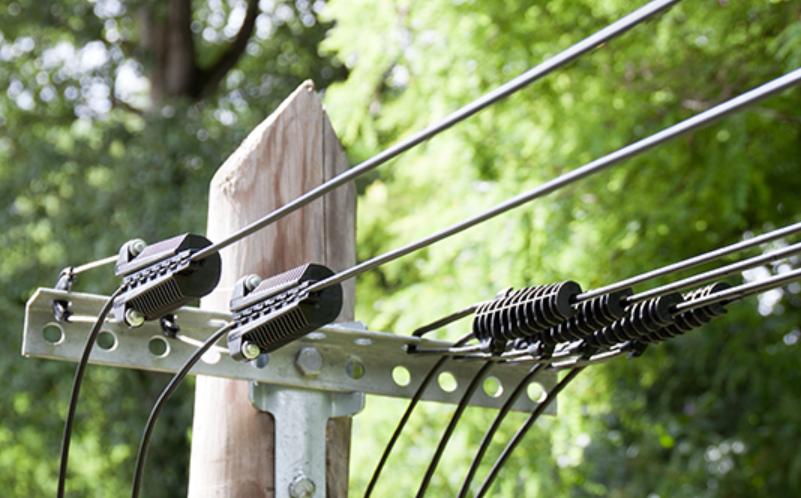
Key Functions in Fiber Optic Networks
A properly designed anchoring clamp provides several essential functions:
1. Mechanical Tension Support
It maintains stable tension in the fiber cable, preventing sagging and ensuring consistent signal performance over long distances.
2. Cable Protection
High-quality clamps distribute pressure evenly to avoid crushing or micro-bending the fiber core, which can cause signal loss.
3. Environmental Resistance
Most modern clamps are designed for outdoor use, resisting:
- UV radiation
- Rain and humidity
- Corrosion
- Temperature fluctuations
4. Quick Installation
Many designs allow tool-free or minimal-tool installation, reducing labor time during deployment.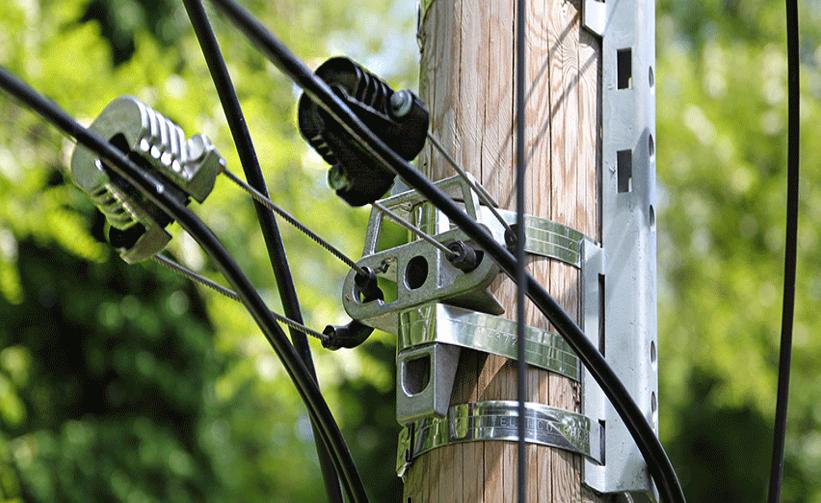
Main Types of Anchoring Clamps
Different network designs require different clamp structures:
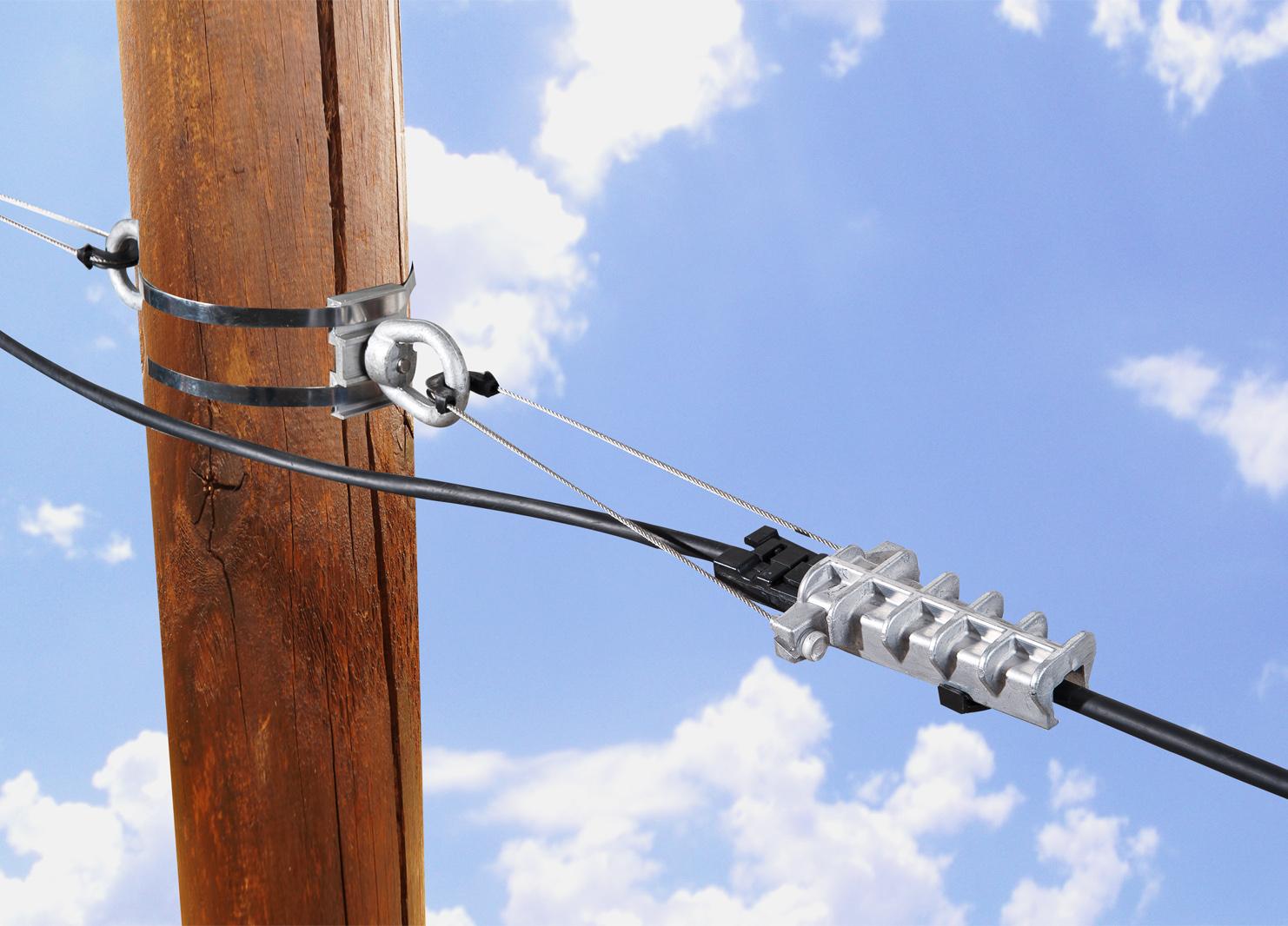
Wedge Type Anchoring Clamp
- Uses self-adjusting wedges
- Automatically tightens under load
- Common in FTTH drop cable systems
Bolted Tension Clamp
- Provides higher mechanical strength
- Suitable for medium to heavy-duty overhead lines
- Often used in distribution networks
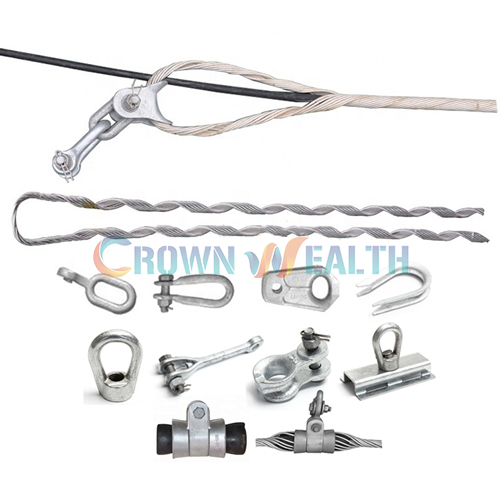
Preformed Dead-End Grip
- Spiral-shaped design wraps around cable
- Excellent for long-span aerial installations
- High resistance to vibration and wind load
Materials and Durability
A high-performance anchoring clamp is typically made from:
- UV-resistant thermoplastic housing
- Hot-dip galvanized steel components
- Aluminum alloy reinforcement parts
- Stainless steel wire grips (for preformed types)
These materials ensure long service life even in harsh outdoor environments, including coastal or industrial zones.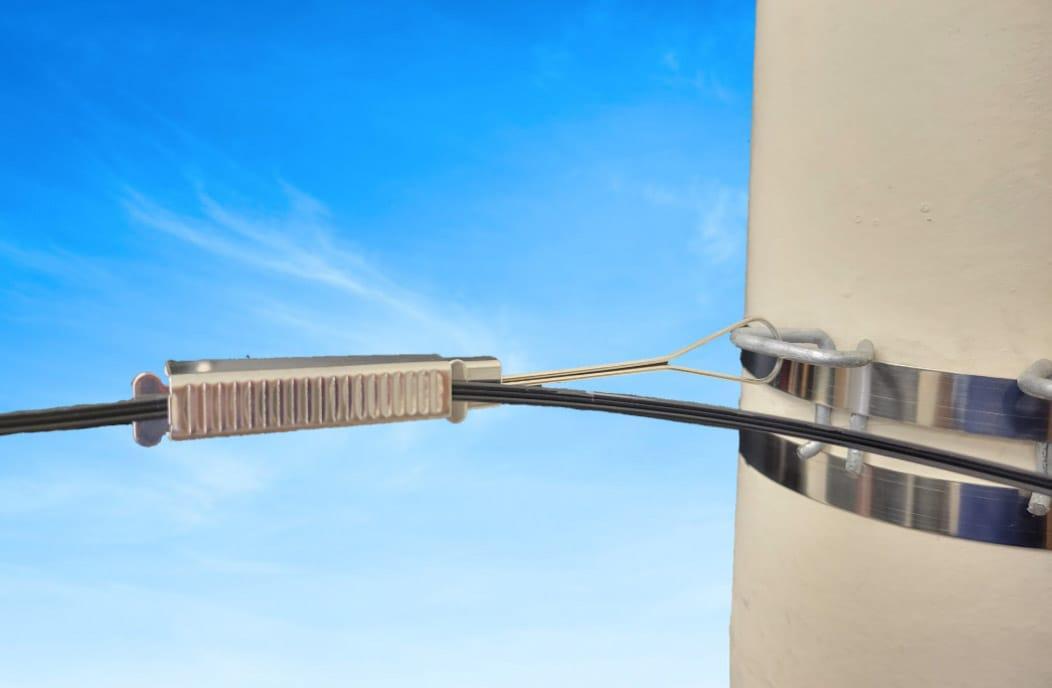
Applications of Anchoring Clamps
Anchoring clamps are widely used in:
- FTTH (Fiber to the Home) networks
- ADSS (All-Dielectric Self-Supporting) cable systems
- Telecom distribution networks
- Utility pole line installations
- Rural broadband expansion projects
In FTTH deployments, they are especially important at subscriber drop points where fiber transitions from main lines to individual buildings.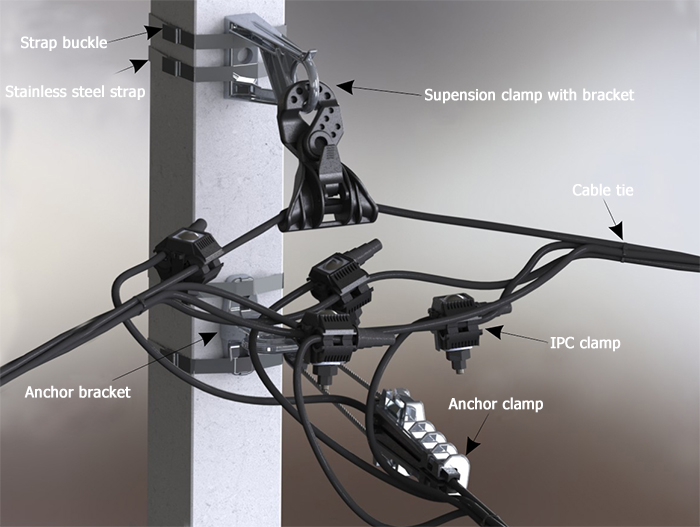
Installation Overview
A typical installation process includes:
- Positioning the clamp on the pole bracket or hook
- Placing the fiber cable into the clamp channel
- Tightening or allowing the wedge mechanism to self-lock
- Securing the anchor point to maintain correct tension
Proper installation ensures the fiber is not over-stressed, which helps avoid long-term attenuation issues.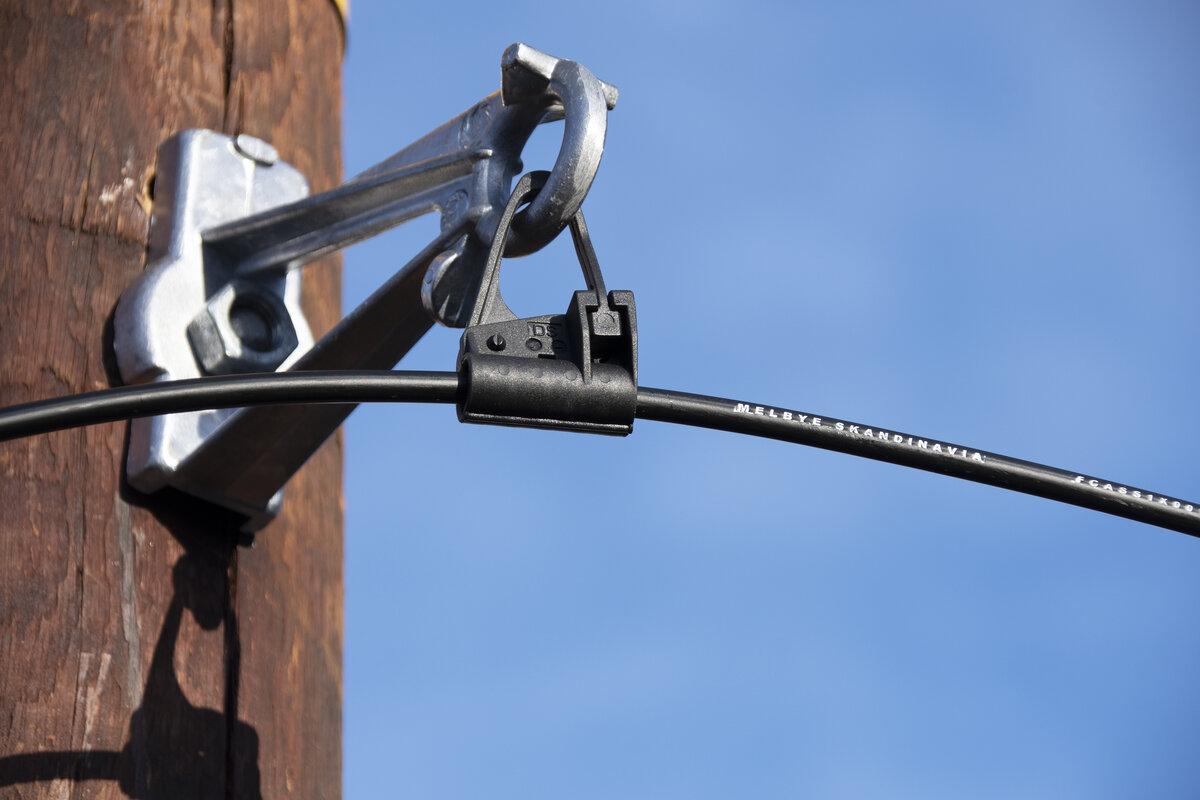
Why Quality Matters
Choosing a reliable anchoring clamp is not just about holding a cable—it directly affects network performance.
Poor-quality clamps may lead to:
- Fiber micro-bending
- Cable slippage
- Premature sheath damage
- Network instability
High-quality pole line hardware suppliers such as Hebei Crown Wealth Metal Products focus on precision manufacturing and corrosion-resistant finishing to ensure stable long-term performance in utility and telecom environments.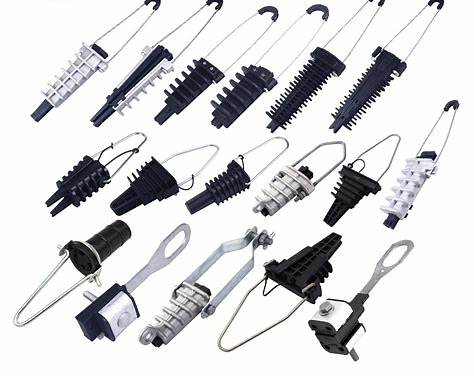
Benefits of Using High-Quality Anchoring Clamps
- Extended fiber cable lifespan
- Reduced maintenance cost
- Improved installation efficiency
- Stable signal transmission quality
- Strong resistance to wind and vibration loads
Conclusion
The anchoring clamp for fiber cable is a small but essential component in modern fiber optic infrastructure. It ensures mechanical stability, protects sensitive fiber cores, and supports efficient aerial deployment across FTTH and telecom networks.
As global demand for high-speed connectivity continues to grow, selecting durable, well-engineered anchoring clamps becomes a key factor in building reliable and future-proof communication systems.