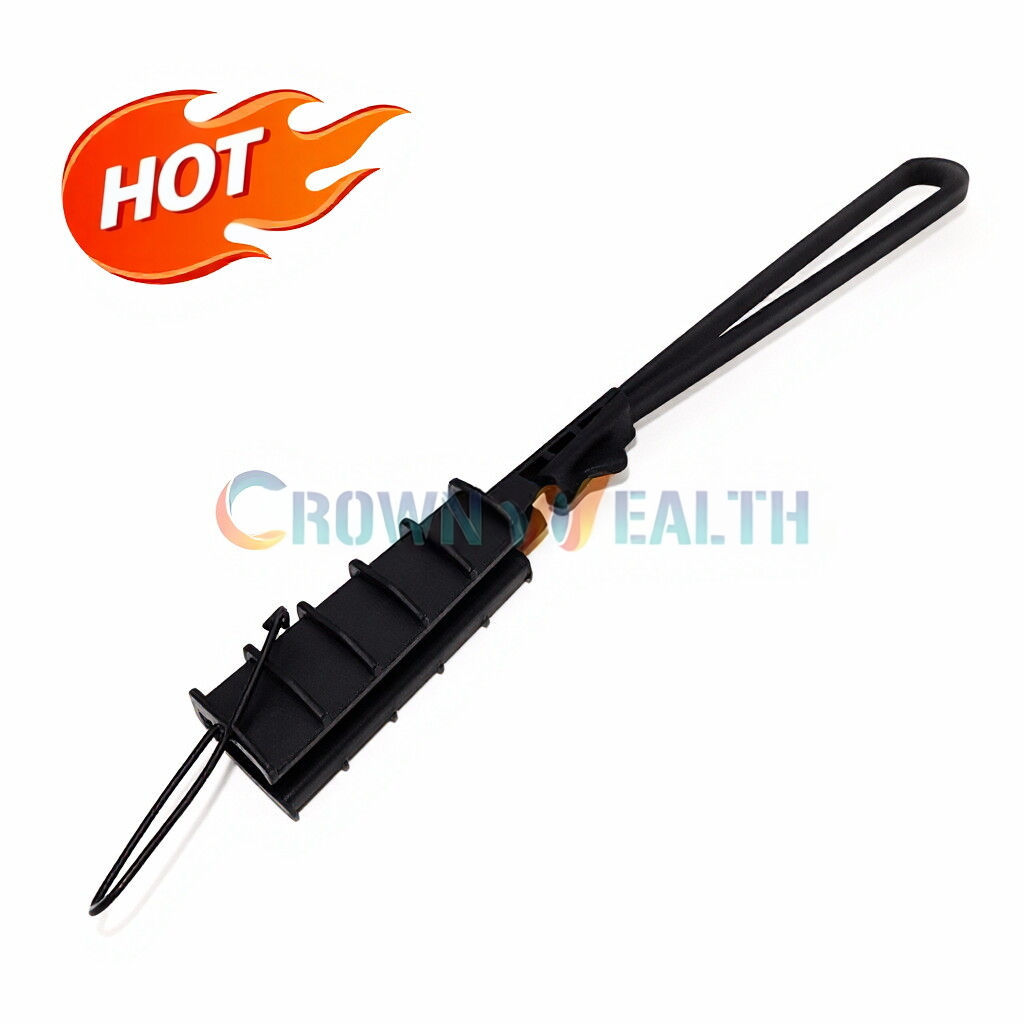
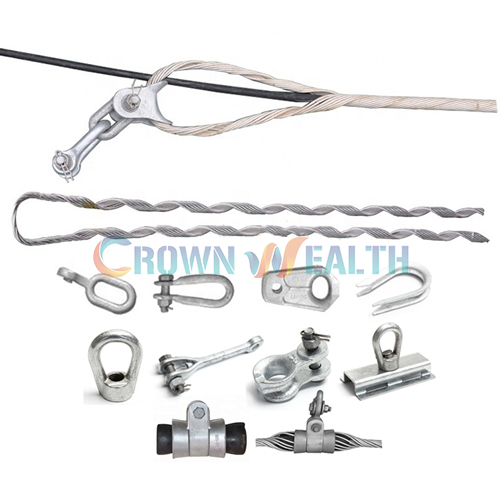
In modern power distribution and fiber optic communication networks, the stability of overhead cable systems depends heavily on one critical component — the Suspension Clamp. Designed to hold conductors securely while allowing controlled movement, suspension clamps play an essential role in maintaining line safety, mechanical balance, and long-term reliability.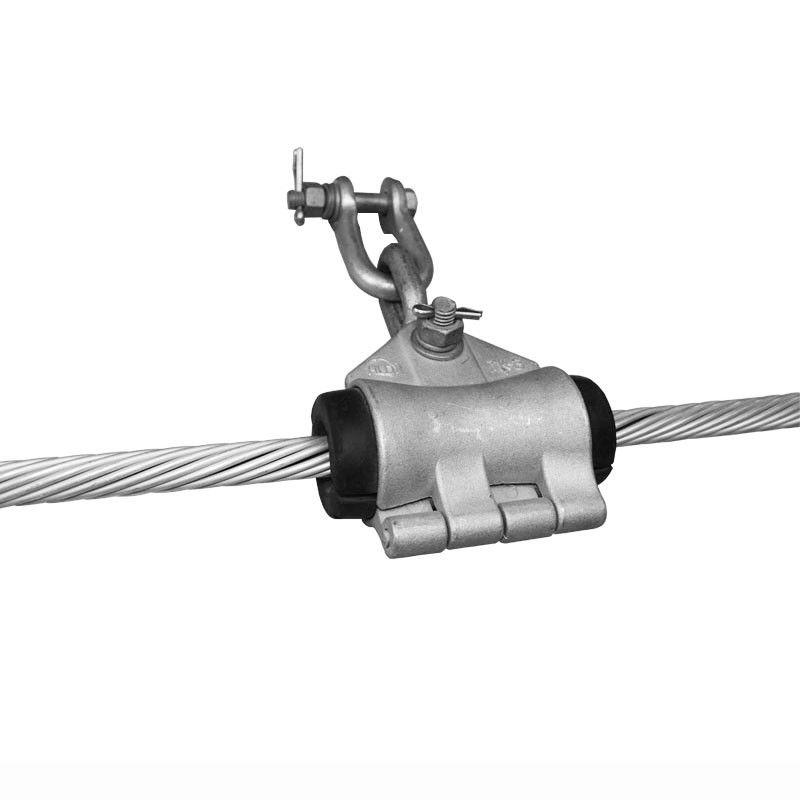
What Is a Suspension Clamp?
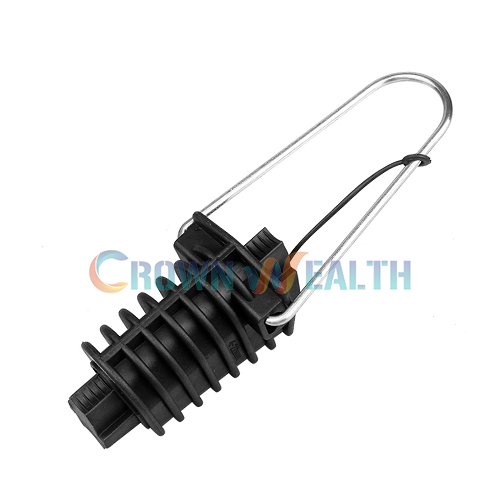
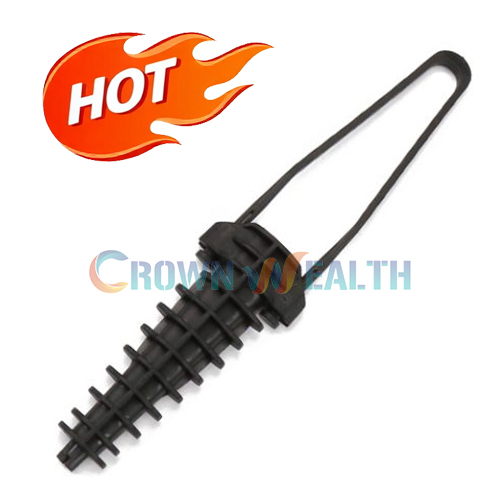
A suspension clamp is a type of pole line hardware used to hang and support overhead cables on transmission poles or towers. It is widely applied in electrical power lines and telecom fiber optic networks.
Typical applications include:
- ADSS fiber optic cable suspension
- OPGW cable installation
- Overhead distribution lines
- Utility pole line systems
The clamp ensures the cable is held firmly without causing damage or excessive stress, especially in windy or high-load environments.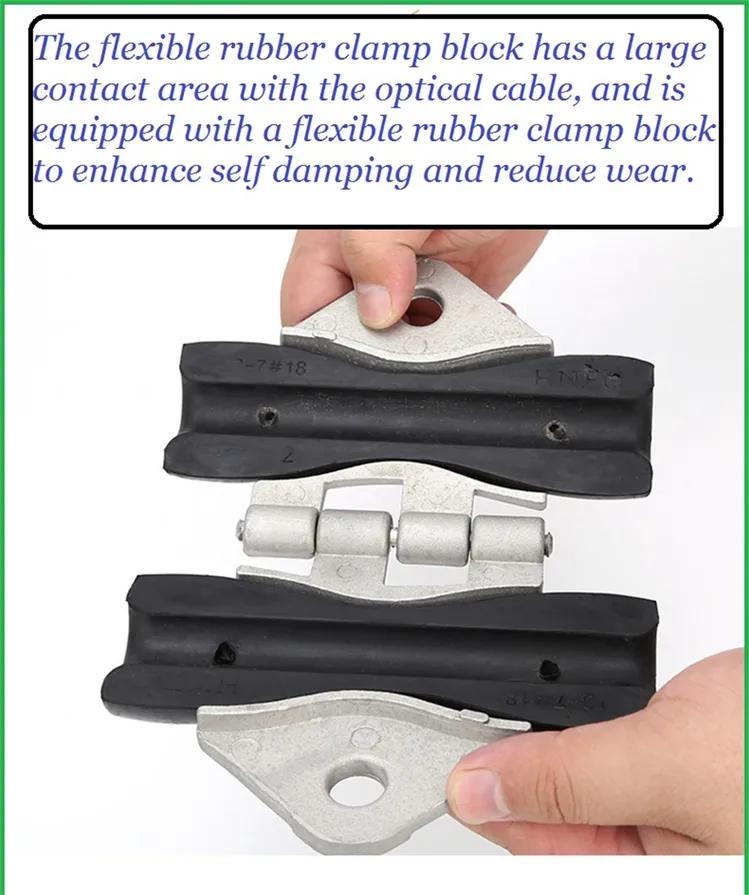
Key Features of Suspension Clamps
High-quality suspension clamps are engineered with precision to ensure both strength and cable protection:
- High mechanical strength for long-span support
- Hot-dip galvanized steel or aluminum alloy materials for corrosion resistance
- Rubber or neoprene inserts to protect cable surface
- Smooth groove design to prevent conductor damage
- Flexible angle movement to adapt to line deviation
- Long service life in harsh outdoor environments
These features make them suitable for both urban infrastructure and remote transmission projects.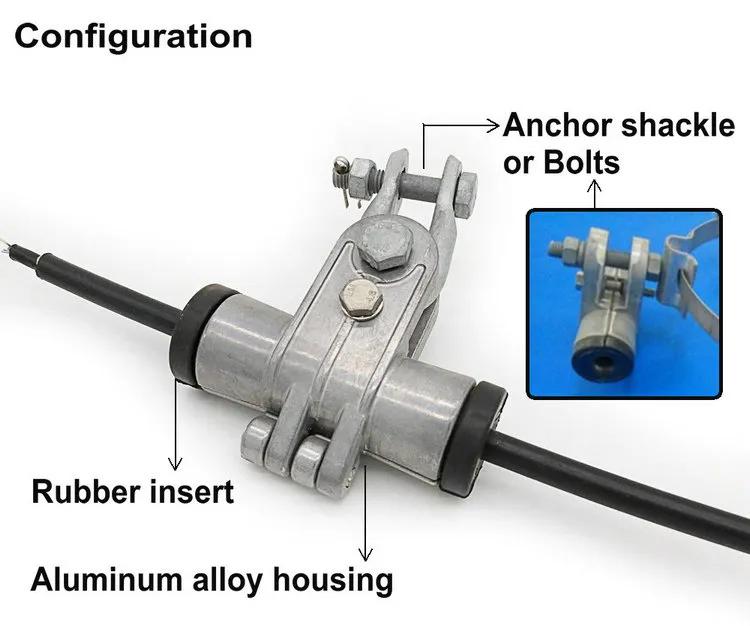
Types of Suspension Clamps
Different installation scenarios require different clamp structures:
1. Preformed Suspension Clamp
Used for ADSS and OPGW fiber optic cables, offering uniform stress distribution.
2. Bolted Suspension Clamp
Common in power transmission lines, providing strong mechanical locking force.
3. ADSS Suspension Clamp
Specially designed for all-dielectric self-supporting fiber cables, ensuring non-metallic protection and stable suspension.
4. Cross-arm Suspension Clamp
Used where cables need additional support at angle poles or directional changes.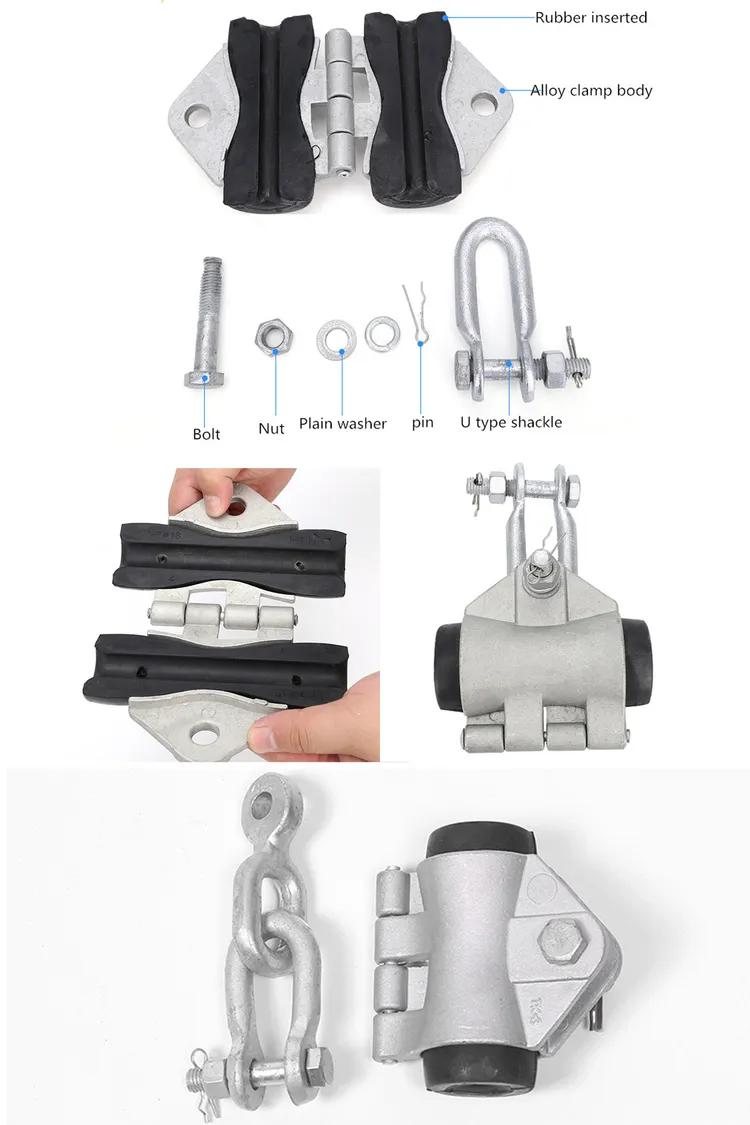
Applications in Power & Telecom Industry
Suspension clamps are widely used across infrastructure sectors:
- Power transmission and distribution networks
- Fiber optic communication systems (FTTH / backbone networks)
- Railway electrification systems
- Smart grid and utility projects
- Industrial and rural electrification
Their versatility makes them a standard component in modern overhead line engineering.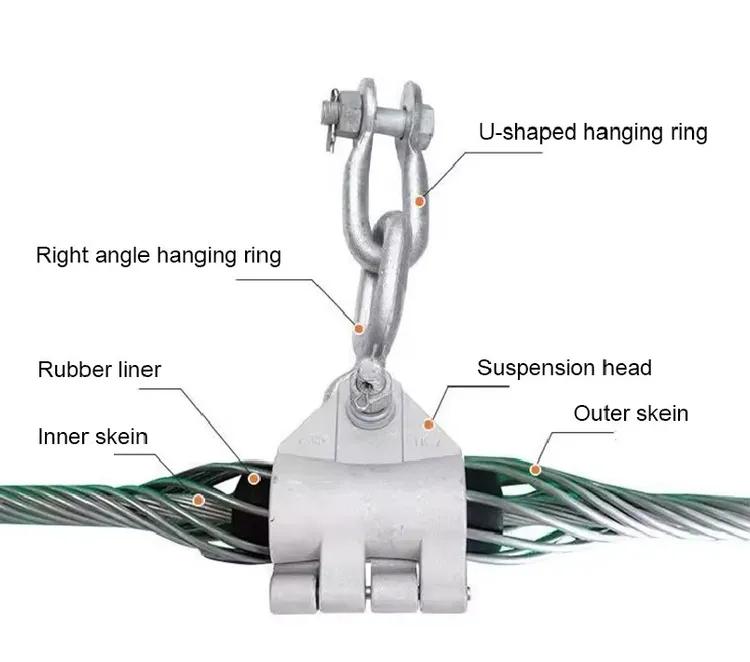
Advantages of High-Quality Suspension Clamps
Choosing a reliable suspension clamp improves both safety and operational efficiency:
- Reduces vibration and wind-induced stress
- Extends cable lifespan
- Prevents conductor abrasion and fatigue
- Ensures stable line geometry
- Low maintenance requirements
- Suitable for long-span installations
In large-scale projects, these advantages significantly reduce long-term operational costs.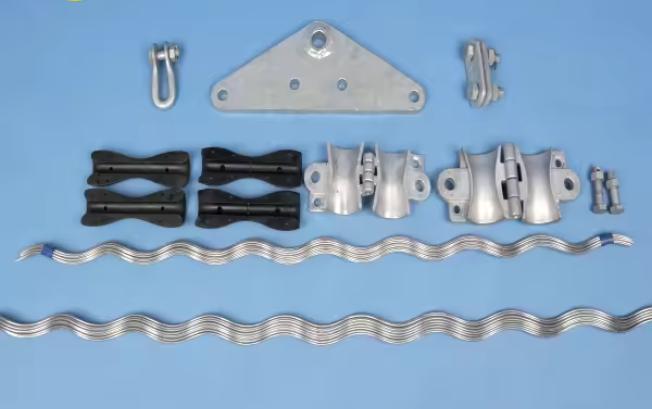
Why Choose Factory-Direct Suspension Clamps?
Working with a professional manufacturer ensures consistent quality and performance:
- Strict quality control (ASTM / IEC standard compliance)
- OEM & customized design support
- Fast production and global shipping capability
- Competitive wholesale pricing
- Wide range of pole line hardware solutions
Many utility and telecom contractors prefer factory-direct sourcing to guarantee both reliability and cost efficiency.
Conclusion
Suspension clamps are a vital component in overhead cable systems, ensuring safe, stable, and long-lasting cable suspension in both power and communication networks. Whether for ADSS fiber installations or high-voltage transmission lines, selecting the right clamp directly impacts system performance and durability.
For modern infrastructure projects, high-quality suspension clamps are not just accessories — they are essential engineering components that ensure network reliability for decades.