As a trusted OPGW cable storage supplier, I understand the unique challenges and requirements when it comes to storing OPGW (Optical Ground Wire) cables in a chemical plant area. Chemical plants have a complex environment filled with various chemicals, high humidity, and potential for mechanical damage. Therefore, proper storage of OPGW cables is crucial to ensure their performance and longevity. In this blog, I will share some scientific and practical methods for storing OPGW cables in a chemical plant area.
Understanding the Risks in a Chemical Plant Area
Before delving into the storage methods, it's essential to understand the risks that OPGW cables face in a chemical plant area. Chemical plants often produce and handle corrosive chemicals such as acids, alkalis, and solvents. These chemicals can corrode the outer sheath of the OPGW cable, leading to damage to the optical fibers inside. High humidity in the plant area can also cause moisture to penetrate the cable, resulting in signal attenuation and potential fiber breakage. Additionally, the presence of heavy machinery and moving equipment increases the risk of mechanical damage to the cables.
Choosing the Right Storage Location
The first step in storing OPGW cables in a chemical plant area is to select an appropriate storage location. The storage area should be well - ventilated to prevent the accumulation of chemical fumes. It should also be away from direct sources of heat, such as boilers or furnaces, as excessive heat can degrade the cable materials.
A dedicated storage room or warehouse is ideal. The room should be constructed with materials that are resistant to chemical corrosion, such as epoxy - coated steel or fiberglass. The floor should be level and free of sharp objects that could puncture the cable. If possible, the storage area should be elevated to prevent water pooling in case of flooding.
Protecting the Cables from Chemical Exposure
To protect OPGW cables from chemical exposure, it's important to use proper packaging. Cables should be stored in sealed plastic bags or containers that are resistant to the chemicals present in the plant. For added protection, a layer of anti - corrosive coating can be applied to the outer sheath of the cable before storage.
In addition, the storage area should be equipped with a chemical spill containment system. This can include spill trays and absorbent materials that can quickly soak up any spilled chemicals and prevent them from reaching the cables. Regular inspections should be carried out to ensure that the packaging is intact and there are no signs of chemical leakage.
Controlling Humidity and Temperature
Maintaining the right humidity and temperature levels is crucial for OPGW cable storage. High humidity can cause condensation inside the cable, which can damage the optical fibers. A humidity level of around 40 - 60% is recommended for cable storage.
To control humidity, dehumidifiers can be installed in the storage area. These devices can remove excess moisture from the air and maintain a stable humidity level. Temperature control is also important. The storage area should be kept at a relatively constant temperature, preferably between 10°C and 30°C. Air - conditioning or heating systems can be used to achieve this.
Preventing Mechanical Damage
Mechanical damage is a significant risk in a chemical plant area. To prevent this, cables should be stored on racks or pallets that are designed to support the weight of the cables without causing deformation. The racks should be sturdy and well - spaced to allow easy access to the cables.
When handling the cables, proper lifting equipment should be used. Cables should never be dragged or pulled across rough surfaces, as this can damage the outer sheath. Workers should be trained on the correct handling procedures to minimize the risk of mechanical damage.
Using Appropriate Accessories
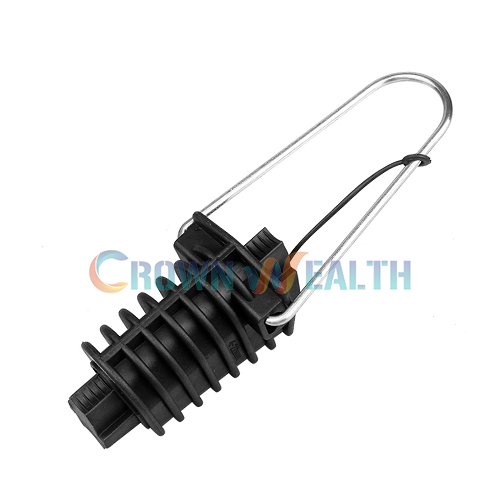
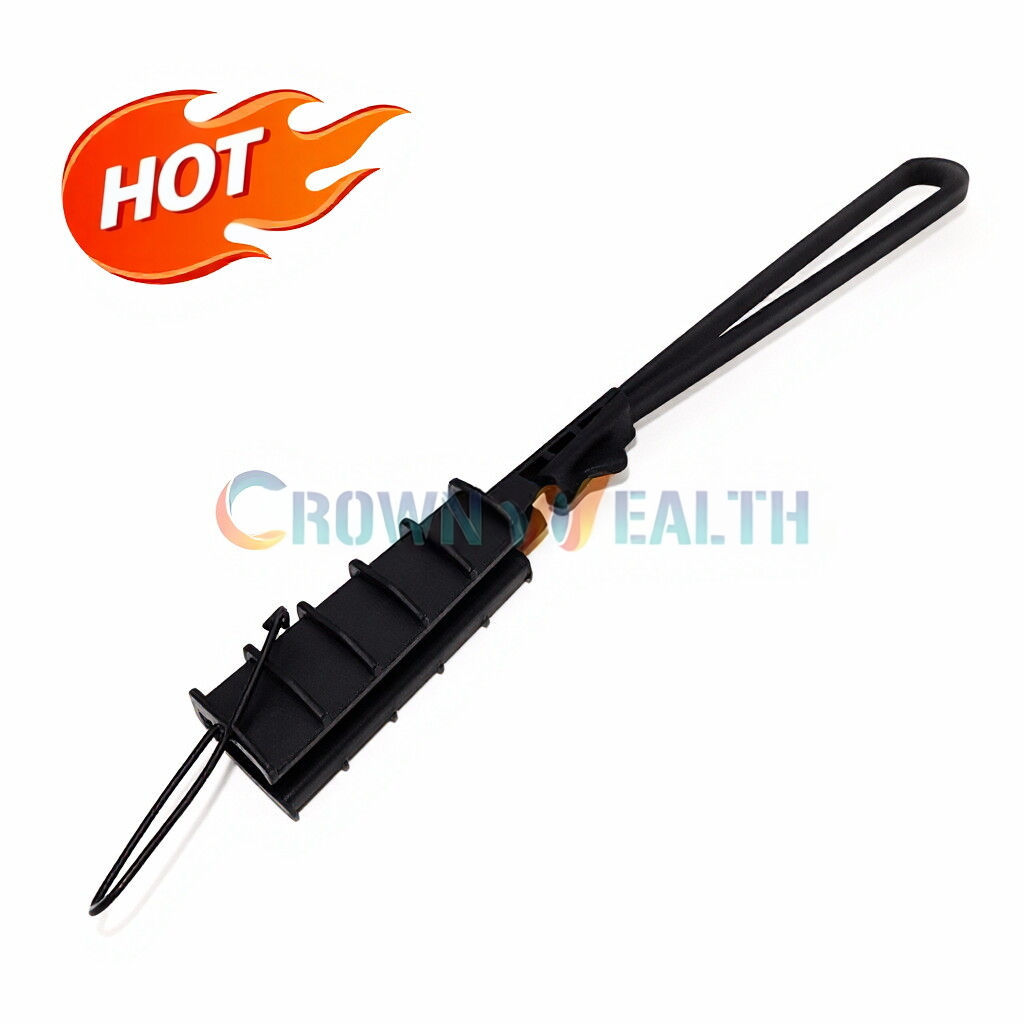
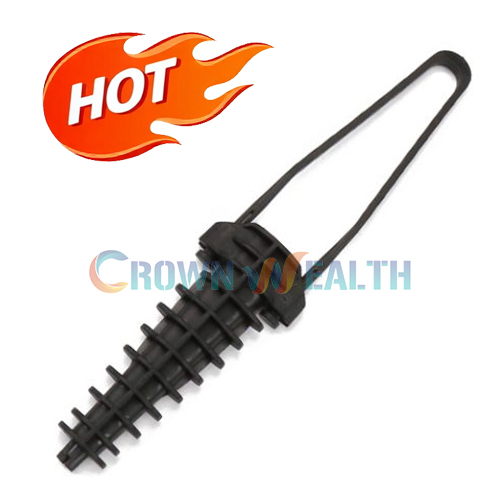
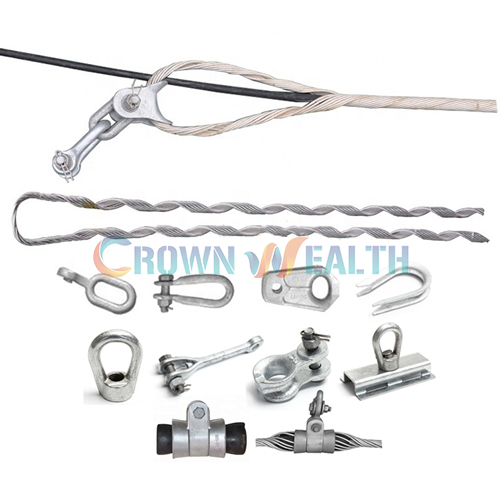
In addition to proper storage, using appropriate accessories can enhance the performance and protection of OPGW cables. For example, OPGW Performed Suspension Clamp can be used to securely hold the cables in place during installation and storage. These clamps are designed to provide a stable and reliable connection, reducing the risk of cable movement and damage.
OPGW Performed Helical Suspension Clamp is another useful accessory. It offers excellent grip and flexibility, ensuring that the cable is well - supported even in harsh environments.


Aluminum Alloy Optical Cable Splice Box is essential for protecting cable splices. It provides a sealed and secure environment for the splices, preventing moisture and chemical ingress.
Regular Inspections and Maintenance
Regular inspections and maintenance are key to ensuring the long - term performance of OPGW cables in a chemical plant area. Inspections should be carried out at least once a month to check for any signs of damage, such as corrosion, moisture penetration, or mechanical wear.
During inspections, the cable packaging, storage racks, and accessories should be checked for integrity. Any damaged items should be replaced immediately. In addition, the humidity and temperature levels in the storage area should be monitored regularly to ensure they are within the recommended range.
Conclusion
Storing OPGW cables in a chemical plant area requires careful planning and implementation of appropriate storage methods. By choosing the right storage location, protecting the cables from chemical exposure, controlling humidity and temperature, preventing mechanical damage, using appropriate accessories, and conducting regular inspections and maintenance, the performance and longevity of the cables can be significantly enhanced.
If you are in need of high - quality OPGW cable storage solutions or any related accessories, please feel free to contact us for a detailed discussion. Our team of experts is ready to provide you with the best advice and products to meet your specific requirements.
References
- "Handbook of Optical Fiber Technology" by Andrew D. Yablon.
- "Fiber Optic Cable Installation and Maintenance Guide" by the Telecommunications Industry Association.
- "Chemical Resistance of Materials in Industrial Environments" by the American Society for Testing and Materials.