Hey there! As a supplier of fastening fixtures, I often get asked about the load - bearing capacity of these essential components. So, let's dig into what this whole load - bearing capacity thing is all about.
First off, what exactly is load - bearing capacity? Simply put, it's the maximum amount of weight or force that a fastening fixture can handle without failing. This capacity is super important because if a fixture can't support the load it's supposed to, well, things can go south real quick. You might end up with a fixture that breaks, loosens, or just plain fails to do its job, which can lead to all sorts of problems, from minor annoyances to major safety hazards.
There are a bunch of factors that can affect the load - bearing capacity of a fastening fixture. Material is a big one. Different materials have different strengths. For example, fixtures made from high - strength steel are generally going to have a higher load - bearing capacity than those made from aluminum. Steel is known for its toughness and ability to withstand heavy loads, while aluminum, although lightweight and corrosion - resistant, may not be able to handle as much weight.
The design of the fixture also plays a huge role. A well - designed fixture will distribute the load evenly across its structure. If the load is concentrated in one area, it can cause stress points that weaken the fixture over time. For instance, a fixture with a wider base or multiple contact points is likely to have a better load - bearing capacity because it spreads the weight out more effectively.
Another factor is the installation method. If a fastening fixture isn't installed correctly, it won't be able to reach its full load - bearing potential. Proper installation ensures that the fixture is securely attached to the surface and that all the parts are tightened to the right specifications. Even a small mistake during installation, like under - tightening a bolt, can significantly reduce the load - bearing capacity.
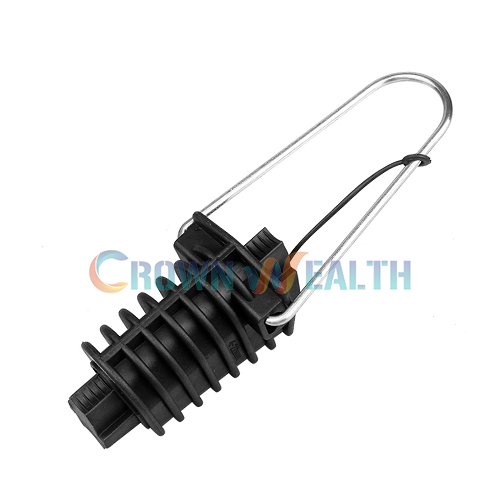
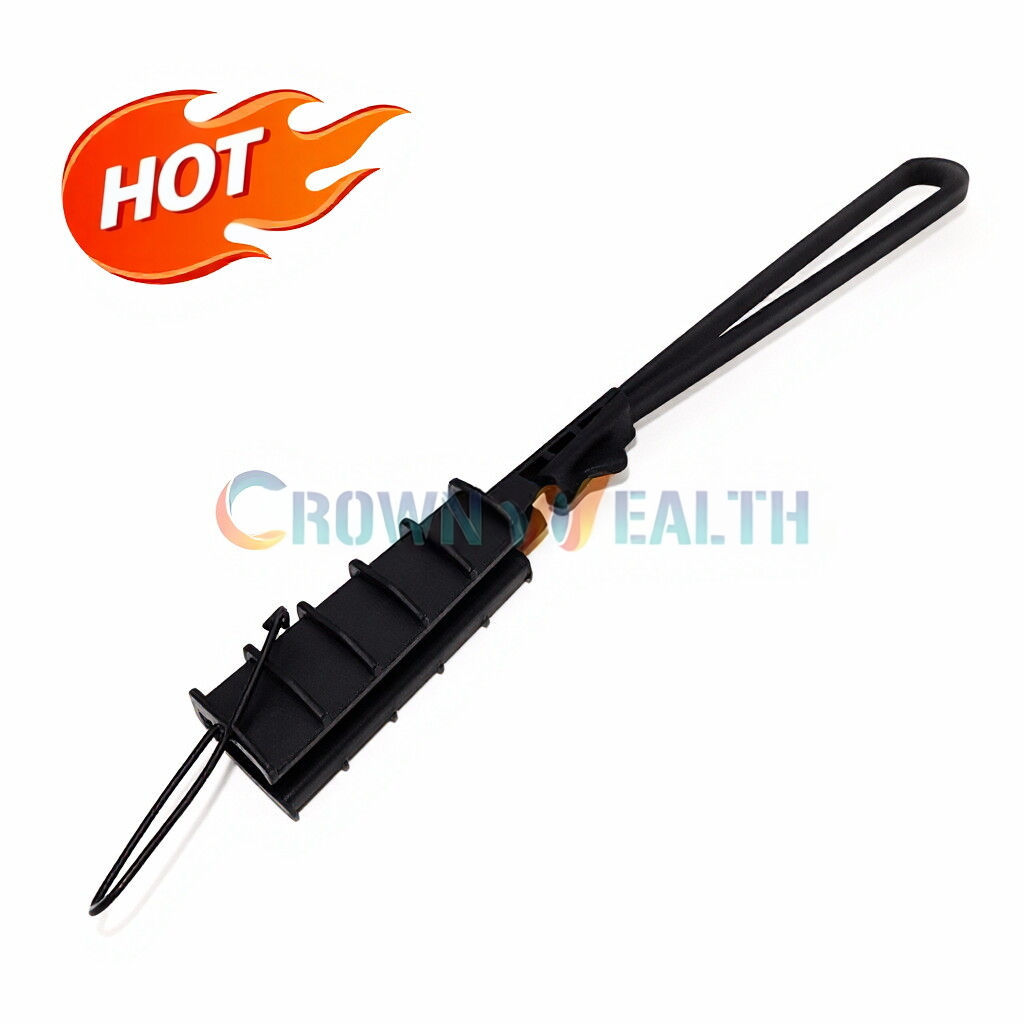
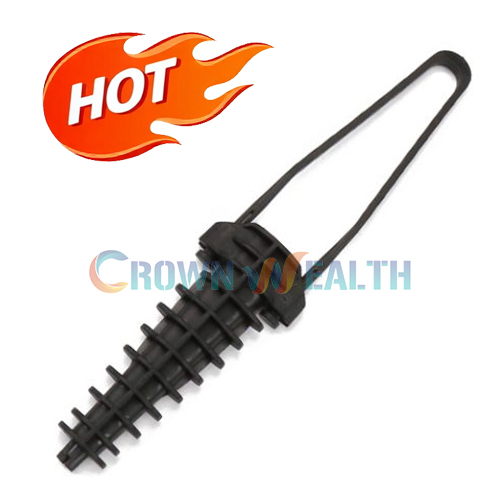
Now, let's talk about some of the fastening fixtures we offer. Take the Down Lead Clamp for Pole Or Tower. This clamp is designed to hold down leads in place on poles or towers. Its load - bearing capacity is carefully calculated to ensure that it can support the weight of the down leads, as well as any additional forces like wind or vibration. We've engineered it with a sturdy design and high - quality materials to provide reliable performance in various conditions.
The ADSS Cable Storage Bracket is another great example. This bracket is used to store ADSS cables neatly on poles or towers. It needs to have a good load - bearing capacity to hold the weight of the cables without bending or breaking. Our design ensures that the bracket can handle the load while also being easy to install and maintain.
And then there's the Fastening Clamp for Pole Or Tower. This clamp is used to secure various components to poles or towers. Its load - bearing capacity is crucial for ensuring the stability of the attached parts. We've designed it to be strong and durable, with a focus on evenly distributing the load to maximize its performance.


When you're choosing a fastening fixture, it's important to consider the specific application and the expected load. You need to make sure that the fixture you select has a load - bearing capacity that meets or exceeds your requirements. For example, if you're using a fixture to support a heavy cable on a high - wind area, you'll need a fixture with a high load - bearing capacity to ensure safety and reliability.
To determine the load - bearing capacity of a particular fixture, we conduct a series of tests. We use advanced testing equipment to simulate different loads and conditions. These tests allow us to accurately measure the load - bearing capacity and ensure that our fixtures meet or exceed industry standards.
We also provide detailed technical specifications for each of our fixtures. These specs include information about the load - bearing capacity, material, dimensions, and installation instructions. This way, you can make an informed decision when choosing a fastening fixture for your project.
In addition to the factors I've mentioned, environmental conditions can also impact the load - bearing capacity of a fastening fixture. For example, exposure to extreme temperatures, humidity, or corrosive substances can weaken the material over time. In a coastal area where there's a lot of salt in the air, corrosion can be a major problem. That's why we offer fixtures that are coated or made from corrosion - resistant materials to extend their lifespan and maintain their load - bearing capacity.
It's also important to regularly inspect your fastening fixtures. Over time, wear and tear can reduce the load - bearing capacity. Look for signs of damage, such as cracks, rust, or loose parts. If you notice any issues, it's best to replace the fixture as soon as possible to avoid any potential safety risks.
We understand that every project is unique, and you may have specific load - bearing requirements. That's why we're always here to help. Our team of experts can assist you in choosing the right fastening fixture for your needs. We can also provide guidance on installation and maintenance to ensure that your fixtures perform at their best.
If you're in the market for high - quality fastening fixtures with reliable load - bearing capacities, don't hesitate to get in touch. Whether you're working on a small - scale project or a large - scale infrastructure development, we have the products and expertise to meet your requirements. Contact us today to start the conversation and let's find the perfect fastening solutions for you.
References:
- Engineering textbooks on materials science and mechanical design
- Industry standards and guidelines for fastening fixtures